
Indian Phenome
Repository
A FAIR and comprehensive repository for phenotype data across plants, animals, humans and microbes — driving research and innovation.
What is the Indian Phenome
Repository?
A national data infrastructure for phenotype data across four biological domains
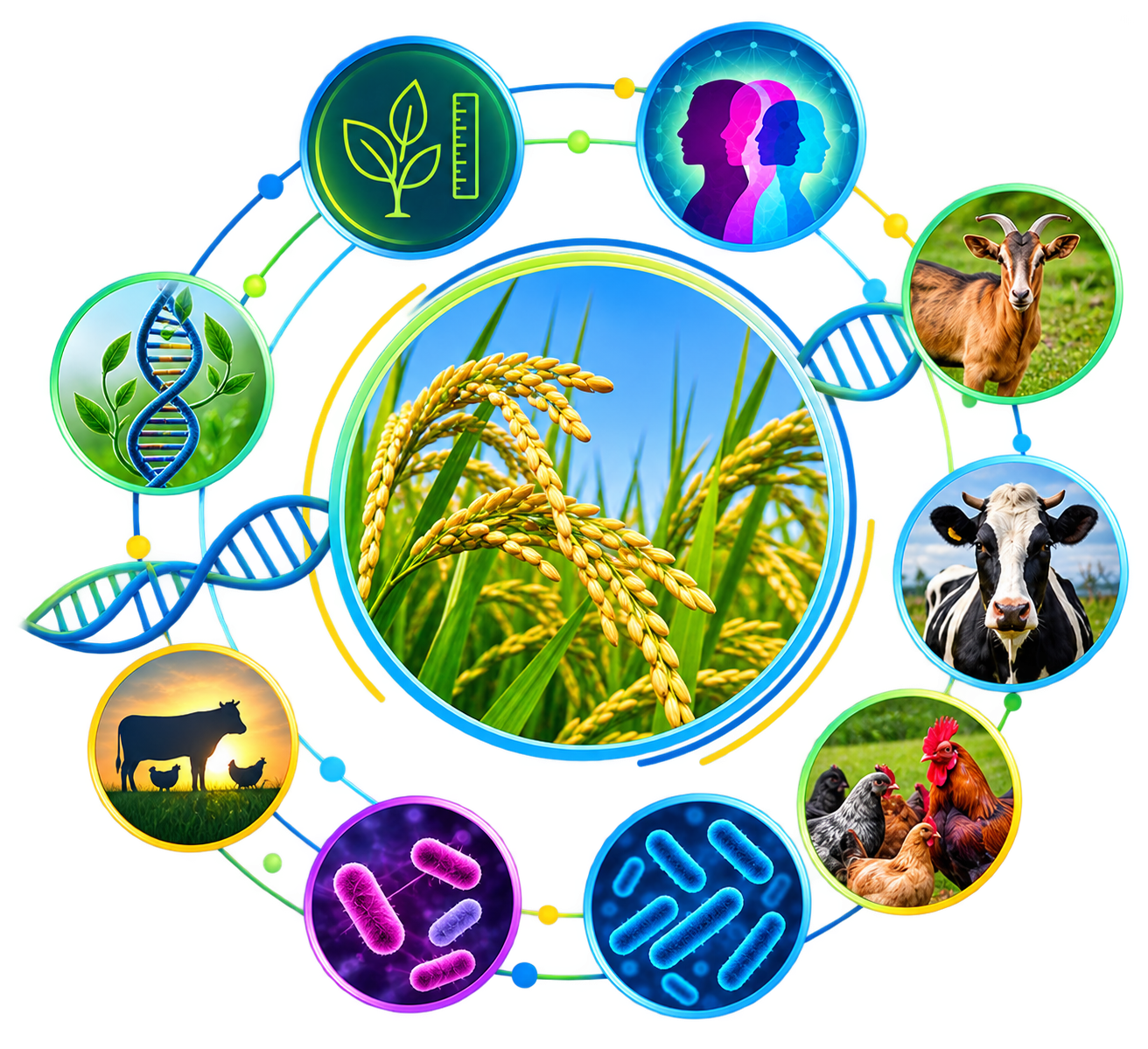
The Indian Phenome Repository (IPR) is a national data infrastructure for the archival, management, integration and sharing of phenotype and phenome data across crops, animals, humans and microorganisms.
IPR is designed to support FAIR data principles and promote standardized, interoperable and reusable phenome data through established Biotech-PRIDE Guidelines , FeED protocols and standards , controlled vocabularies, ontologies and structured metadata.
The repository enables consistent data submission, rich metadata capture, long-term preservation, discoverability and responsible data sharing, while facilitating integration with national and international biological data resources.
Aligned with international FAIR and CARE data principles, IPR ensures that datasets are scientifically robust, reusable, and developed with a strong commitment to ethical stewardship and data sovereignty.
FAIR Principles
Findable, Accessible, Interoperable, Reusable
Biotech-PRIDE Guidelines
Best practices for ethical and responsible data management
FeED Protocols & Standards
Standardized formats and minimum information standards for phenome data
Ontologies & Controlled Vocabularies
Controlled vocabularies for interoperability
Secure & Trusted
Long-term preservation with robust data governance
Explore IPR Databases
Access comprehensive phenomic data across four major biological domains

Indian Human Phenomics Database
Indian Microbe Phenomics Database
How Does IPR Work?
A simple 5-step workflow from submission to discovery
Register
Create your account
Submit
Upload your datasets
Validate
Quality check & curation
Archive
Secure long-term storage
Discover
Access & reuse data
Get Started with IPR
Join our community of researchers and data curators
For Researchers
Submit your phenomic data, share your findings, and contribute to the growing body of Indian phenome knowledge. Get credit for your data through proper citation and persistent accessions.
For Data Curators
Manage and curate datasets, ensure data quality, and help maintain the integrity of the repository. Join our team of domain experts and data stewards.
Video Tutorial
Learn how to use IPR effectively