

9ZRN image
Deposition Date 2025-12-20
Release Date 2026-07-29
Last Version Date 2026-07-29
Entry Detail
PDB ID:
9ZRN
Title:
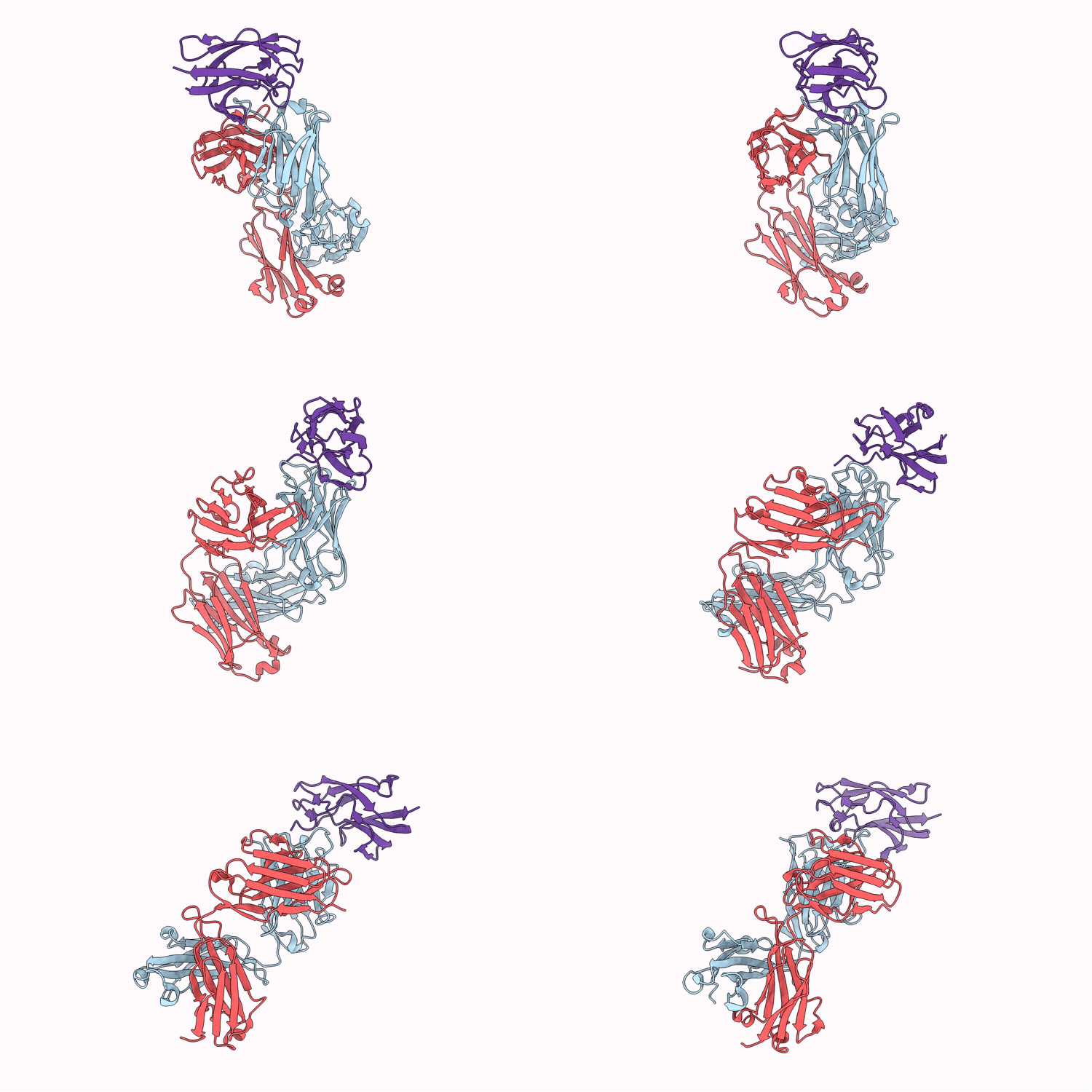
Neutralizing W014 Fab antibody fragment in complex with West Nile Virus EDIII
Biological Source:
Source Organism(s):
Homo sapiens (Taxon ID: 9606)
West Nile virus (Taxon ID: 11082)
Expression System(s):
Method Details:
Experimental Method:
Resolution:
2.10 Å
R-Value Free:
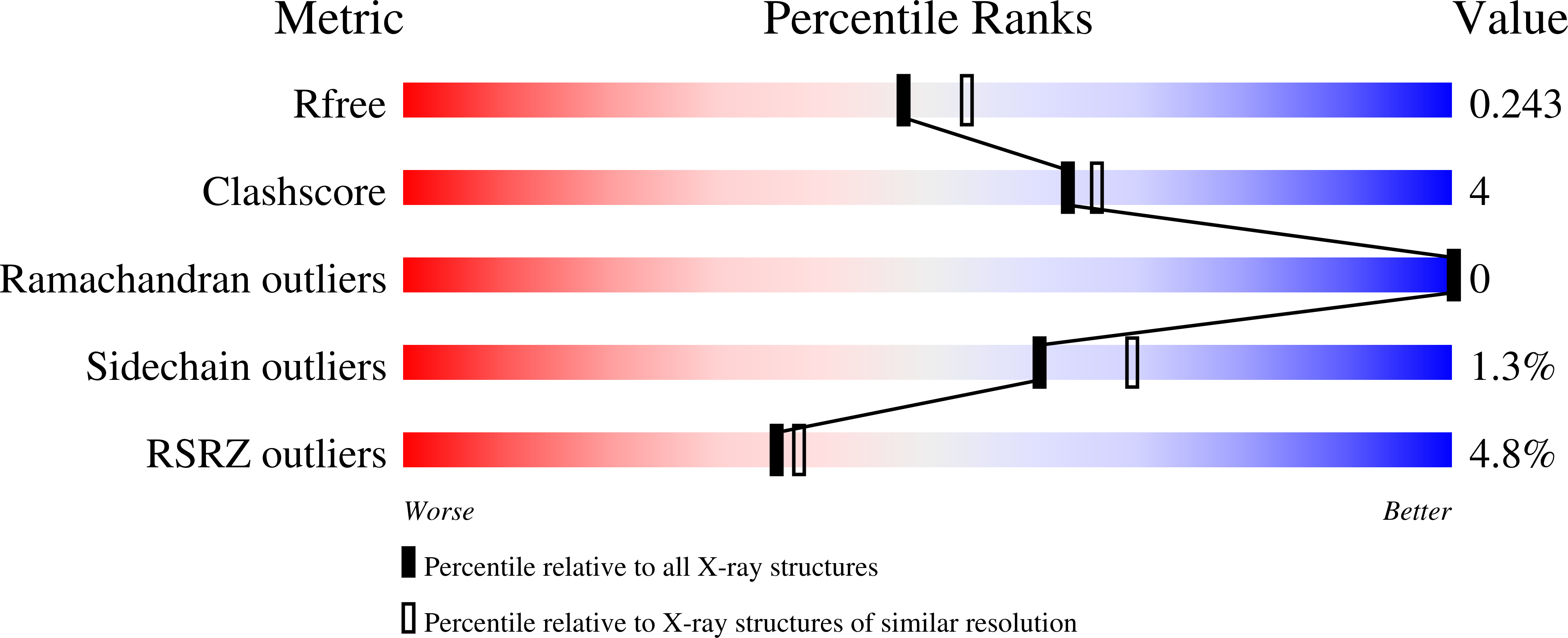
0.24
R-Value Work:
0.20
R-Value Observed:
0.20
Space Group:
P 1 21 1
Macromolecular Entities
Polymer Type:polypeptide(L)
Molecule:W014 Fab Heavy Chain
Chain IDs:A (auth: H)
Chain Length:230
Number of Molecules:1
Biological Source:Homo sapiens
Polymer Type:polypeptide(L)
Molecule:W014 Fab Light Chain
Chain IDs:B (auth: L)
Chain Length:216
Number of Molecules:1
Biological Source:Homo sapiens
Polymer Type:polypeptide(L)
Molecule:Envelope protein E
Gene (Uniprot):GP1
Chain IDs:C (auth: Z)
Chain Length:102
Number of Molecules:1
Biological Source:West Nile virus
Primary Citation

Abstact

West Nile virus (WNV) is a mosquito-borne pathogen of global concern that can cause fatal neuroinvasive disease, and no specific prophylaxis or treatment exists for infections by WNV and most related orthoflaviviruses. Here, we isolated and characterized antibodies from WNV convalescent individuals and report that neutralizing autoantibodies against type I interferons did not impair antiviral antibody development. Among the monoclonal antibodies with potent neutralizing activity against WNV that were identified, W010 targeted a distinct epitope within the envelope protein domain III (EDIII) and conferred both pre- and post-exposure protection in a murine WNV model, even when interferon signaling was impaired. A second protective antibody, W014, exhibited broad cross-neutralization of other pathogenic orthoflavivirus members, including Japanese encephalitis virus, Murray Valley encephalitis virus, Saint Louis encephalitis virus, and Usutu virus. These findings identify key neutralizing epitopes on WNV EDIII and provide candidates for the development of antibody-based interventions against encephalitic orthoflavivirus infections.

Legend

Protein

Chemical

Disease

Primary Citation of related structures
Feedback Form
Name
Email
Institute
Feedback