

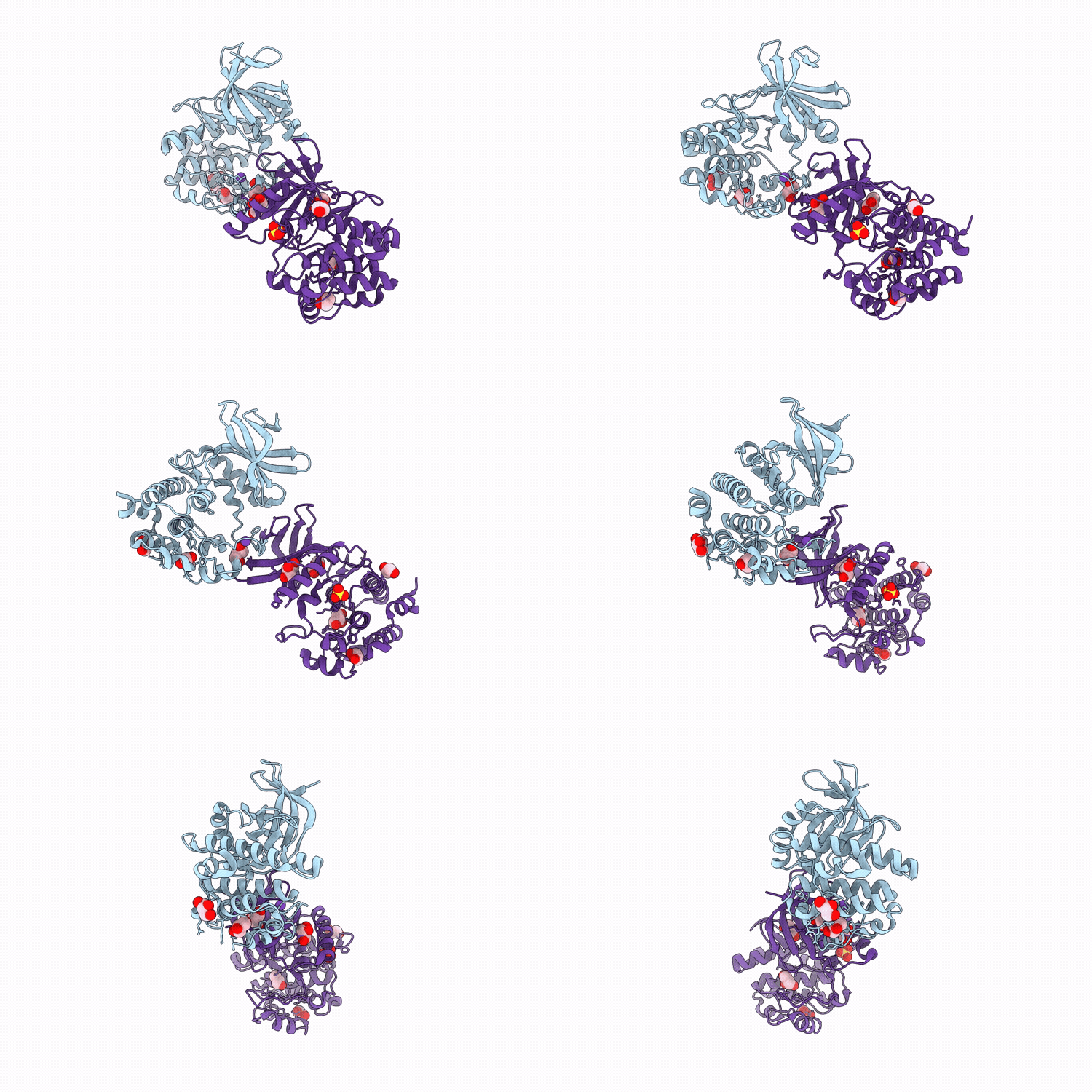
9ZNM image
Deposition Date 2025-12-13
Release Date 2026-06-17
Last Version Date 2026-06-17
Entry Detail
PDB ID:
9ZNM
Title:
WNK1/SA kinase domain in complex with potassium formate at 1 Angstrom wavelength
Biological Source:
Source Organism(s):
Expression System(s):
Method Details:
Experimental Method:
Resolution:
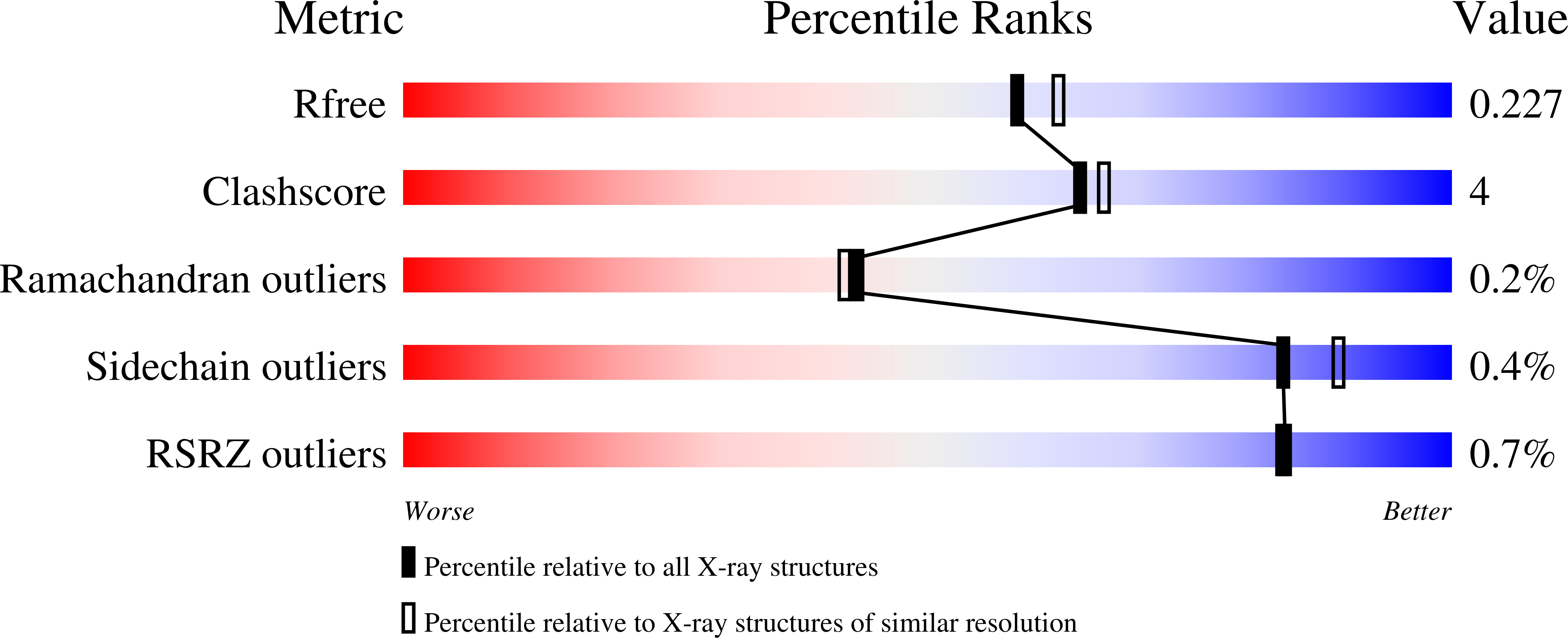
2.00 Å
R-Value Free:
0.22
R-Value Work:
0.17
R-Value Observed:
0.17
Space Group:
P 1
Macromolecular Entities
Structures with similar UniProt ID
Protein Blast
Polymer Type:polypeptide(L)
Molecule:Serine/threonine-protein kina
Gene (Uniprot):Wnk1
Mutagens:S382A
Chain IDs:A, B
Chain Length:288
Number of Molecules:2
Biological Source:Rattus norvegicus
Primary Citation
Structural Basis for Potassium Inhibition of WNK Kinases.
Biochemistry ? ? ? (2026)
PMID: 42186973 DOI: 10.1021/acs.biochem.5c00825

Abstact

WNK kinases are chloride- and osmotic-stress-regulated protein kinases recently shown to be controlled by potassium. Prior studies demonstrated the direct binding of chloride and osmotic stress-related water in WNK kinase regulation. Here, we probe potassium binding and regulation of WNK kinases via crystallography coupled with mutagenic analysis of WNK kinase autophosphorylation and activity. Crystals of unphosphorylated WNK1 grown in cesium formate, a surrogate for potassium, yielded nonsulfur scattering peaks at 5.75 keV. Mutations were introduced into amino acids flanking the anomalous diffraction peaks. Mutations in WNK1/E388 and the corresponding WNK3/E314, probing a peak close to WNK1/I384, led to reduced inhibition by potassium while maintaining kinase autophosphorylation and substrate phosphorylation activity. Other peaks probed by mutagenesis either did not bear out as potassium regulatory sites or were not validated due to the inactivity of the mutants synthesized. Previously synthesized chloride- and water-binding mutants demonstrate correlated sensitivity to chloride and potassium. Potassium, chloride, and water are all WNK inhibitors that share a common mechanism binding the same low-activity asymmetric dimer of WNK1 kinase domains.

Legend

Protein

Chemical

Disease

Primary Citation of related structures
Feedback Form
Name
Email
Institute
Feedback