

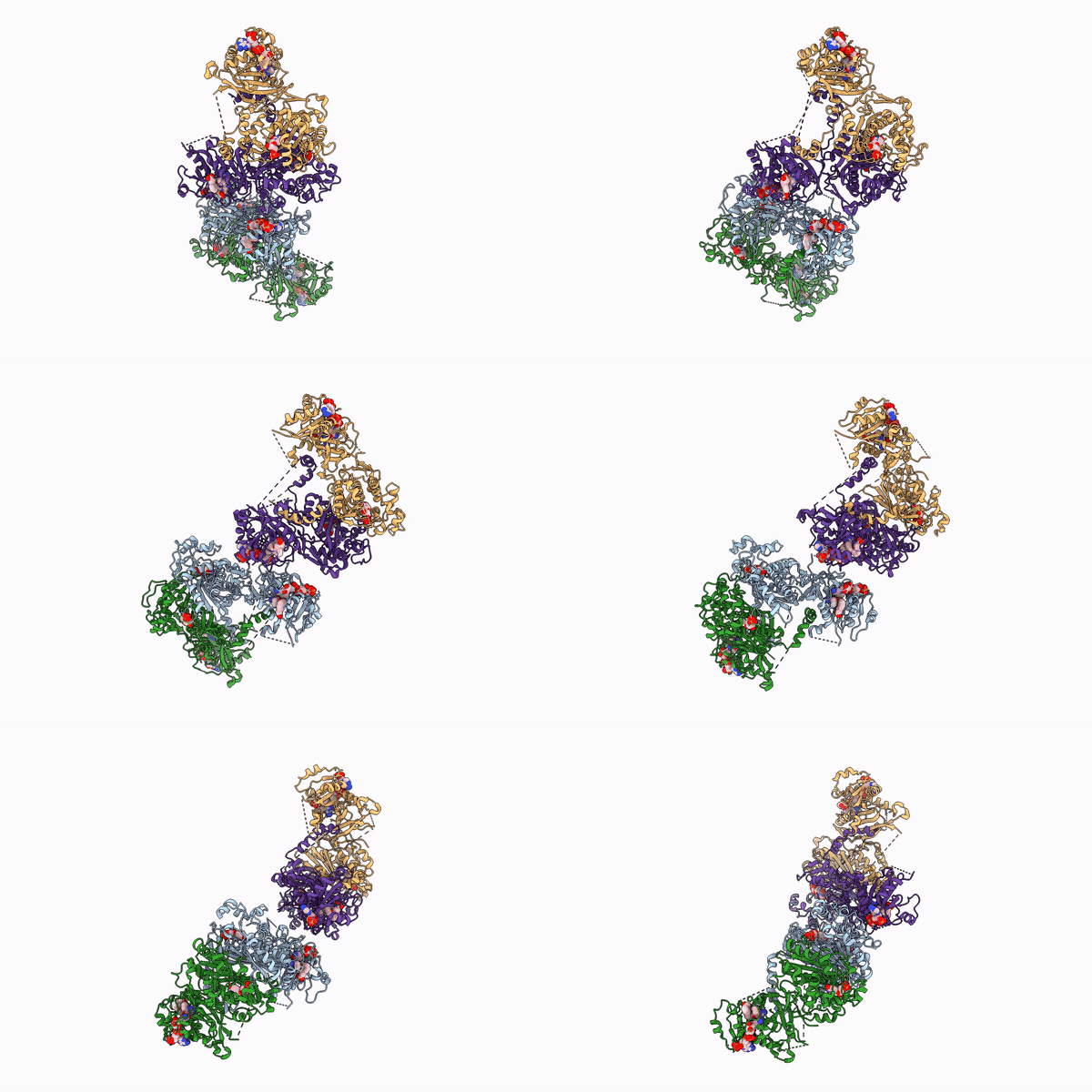
9XIO image
Deposition Date 2025-11-03
Release Date 2026-09-16
Last Version Date 2026-09-16
Entry Detail
PDB ID:
9XIO
Keywords:
Title:
Toxoplasma gondii dihydrofolate reductase thymidylate synthase (TgDHFR-TS) complexed with P218, NADPH and dUMP
Biological Source:
Source Organism(s):
Expression System(s):
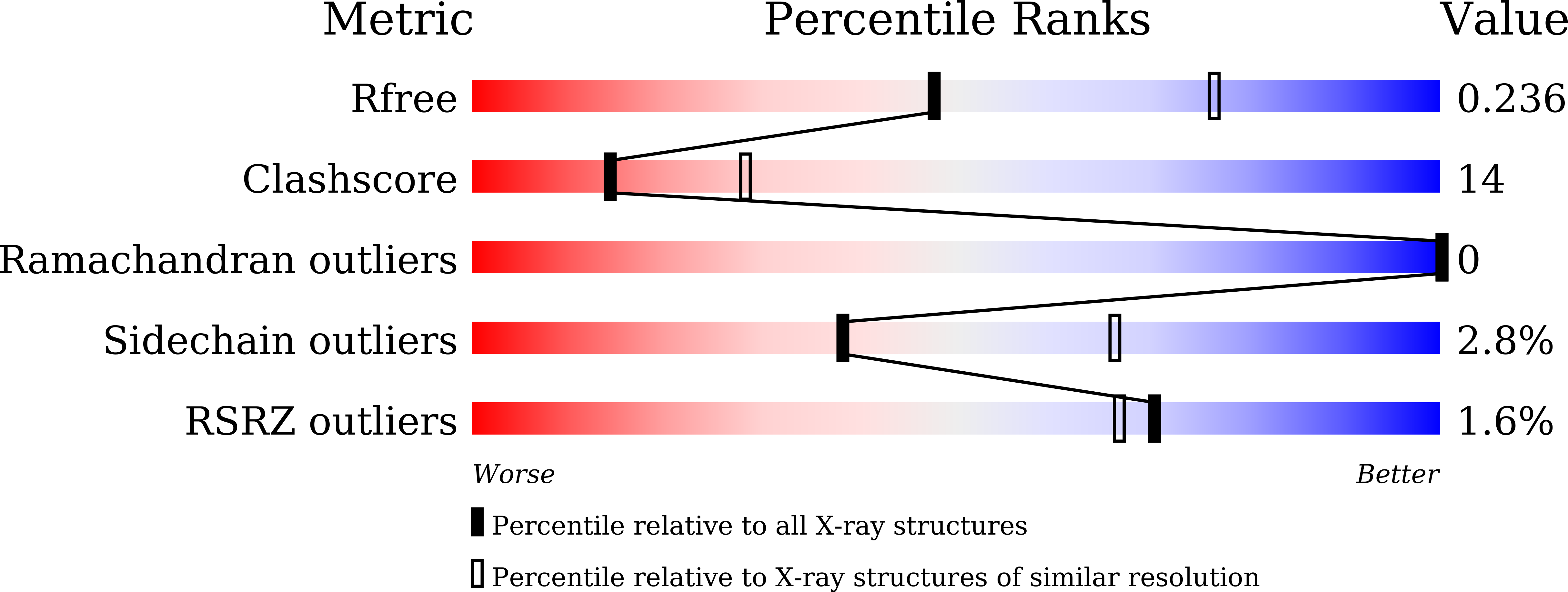
Method Details:
Experimental Method:
Resolution:
2.50 Å
R-Value Free:
0.23
R-Value Work:
0.17
R-Value Observed:
0.17
Space Group:
P 1
Macromolecular Entities
Polymer Type:polypeptide(L)
Molecule:Bifunctional dihydrofolate re
Chain IDs:A, B, C, D
Chain Length:610
Number of Molecules:4
Biological Source:Toxoplasma gondii
Primary Citation
Repurpose antimalarials to target Toxoplasma gondii dihydrofolate reductase thymidylate synthase.
Eur.J.Med.Chem. 313 118863 118863 (2026)
PMID: 42060965 DOI: 10.1016/j.ejmech.2026.118863

Abstact

Toxoplasma gondii is an obligate intracellular blood and tissue protozoan parasite that infects up to a third of the population worldwide. Several antimalarial drugs, in particular pyrimethamine (PYR), have been used for decades to treat toxoplasmosis. Here, the clinical candidate P218, a potent inhibitor of Plasmodium falciparum dihydrofolate reductase (PfDHFR), and a series of flexible diaminopyrimidine butyrolactone analogues were identified as potent T. gondii dihydrofolate reductase (TgDHFR) inhibitors. The most promising butyrolactone analogue, LA4, displayed an improved TgDHFR inhibition (K(i) 1.71 nM), increased antiparasitic properties in vitro (IC(50) 0.44 nM), and a higher cell selectivity compared to PYR (K(i) 13.0 nM, IC(50) 410 nM) while P218 (K(i) 2.19 nM, IC(50) 370 nM) presented an improved activity with comparable cell selectivity to PYR. The in vivo results against T. gondii RH strain-infected mice showed that P218 reduced parasitic burden in blood whereas LA4 decreased parasite load in peritoneal fluid and blood with an extended mice survival. These findings position butyrolactone LA4 as a new potential for the treatment of acute toxoplasmosis.

Legend

Protein

Chemical

Disease

Primary Citation of related structures
Feedback Form
Name
Email
Institute
Feedback