

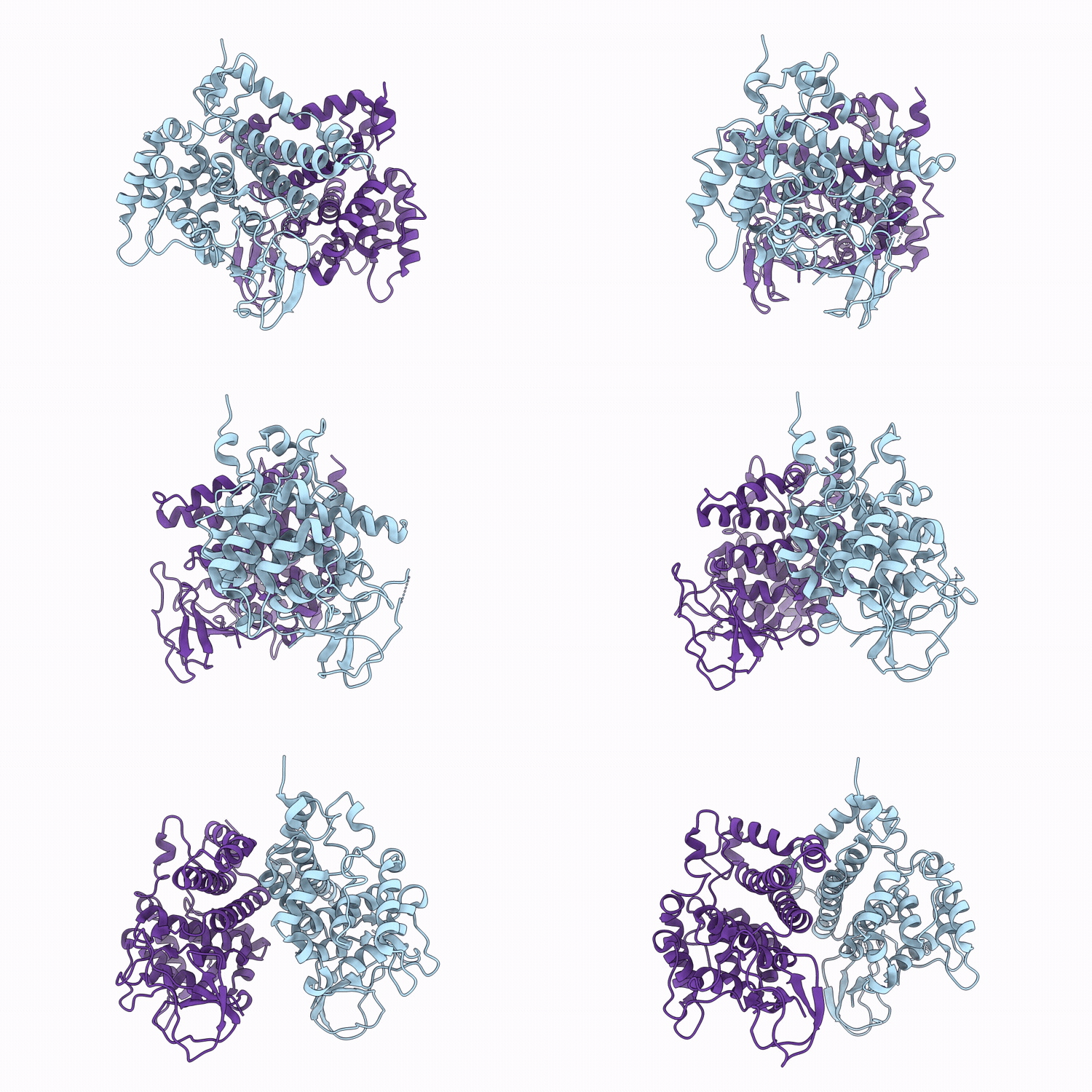
9VY2 image
Deposition Date 2025-07-20
Release Date 2026-07-22
Last Version Date 2026-07-22
Entry Detail
PDB ID:
9VY2
Keywords:
Title:
Crystal structure of antitoxin VP14460 (PoNi)from Vibrio parahaemolyticus
Biological Source:
Source Organism(s):
Expression System(s):
Method Details:
Experimental Method:
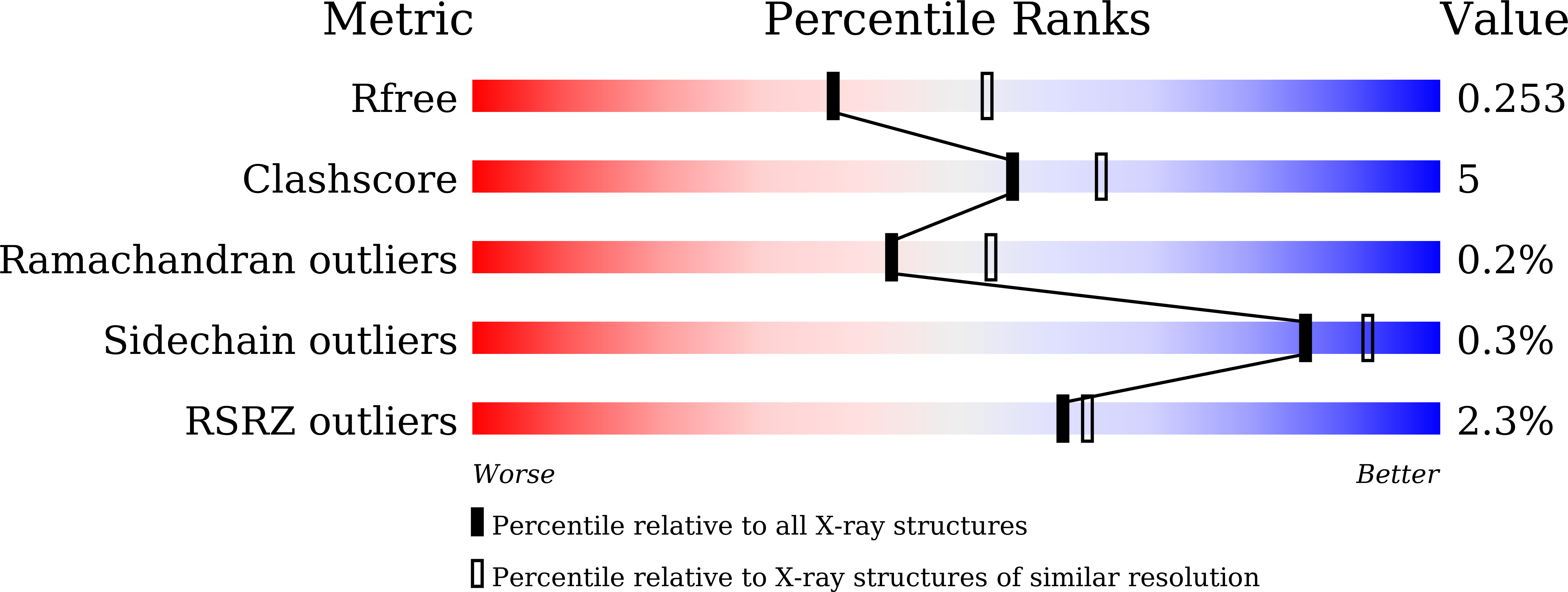
Resolution:
2.32 Å
R-Value Free:
0.25
R-Value Work:
0.19
R-Value Observed:
0.20
Space Group:
C 1 2 1
Macromolecular Entities
Polymer Type:polypeptide(L)
Molecule:DUF1911 domain-containing pro
Gene (Uniprot):tc_PAI_003
Chain IDs:A, B
Chain Length:327
Number of Molecules:2
Biological Source:Vibrio parahaemolyticus
Primary Citation
Structural and mechanistic insights into the VP14460-VP14465 effector-immunity module of the Vibrio parahaemolyticus type VI secretion system.
J.Biol.Chem. 302 113257 113257 (2026)
PMID: 42297241 DOI: 10.1016/j.jbc.2026.113257

Abstact

Vibrio parahaemolyticus, a halophilic pathogen, contaminates seafood and high-salt foods, posing significant health risks such as gastroenteritis and fatalities. With increasing seafood consumption, developing effective control strategies is imperative. The type VI secretion system, a common molecular weapon in Vibrio that mediates cross-domain interactions, is a contractile nanomachine that deploys antibacterial effectors, each paired with a cognate immunity protein to form effector-immunity (E-I) modules. Here, we present the first structural and functional characterization of this complex. The crystal structure of the VP14460-VP14465 complex unveils the molecular basis for specific E-I recognition, defining a set of critical interfacial residues. Structure-guided mutagenesis confirmed that these residues are essential for complex integrity, their disruption liberates the VP14465 toxin, unleashing potent bactericidal activity. Furthermore, we identified the active sites responsible for the DNase activity of VP14465. Notably, while VP14460 and VP14465 form a stable monomeric complex in the bound state, each isolated component exhibits distinct oligomeric behavior in vitro. This suggests a dynamic assembly-disassembly mechanism that may regulate effector delivery and toxin activation during interbacterial competition. Collectively, our findings provide mechanistic insights into type VI secretion system E-I module architecture and function, and establish a structural framework for the development of novel antibacterial therapeutics targeting DNase family effectors.

Legend

Protein

Chemical

Disease

Primary Citation of related structures
Feedback Form
Name
Email
Institute
Feedback