

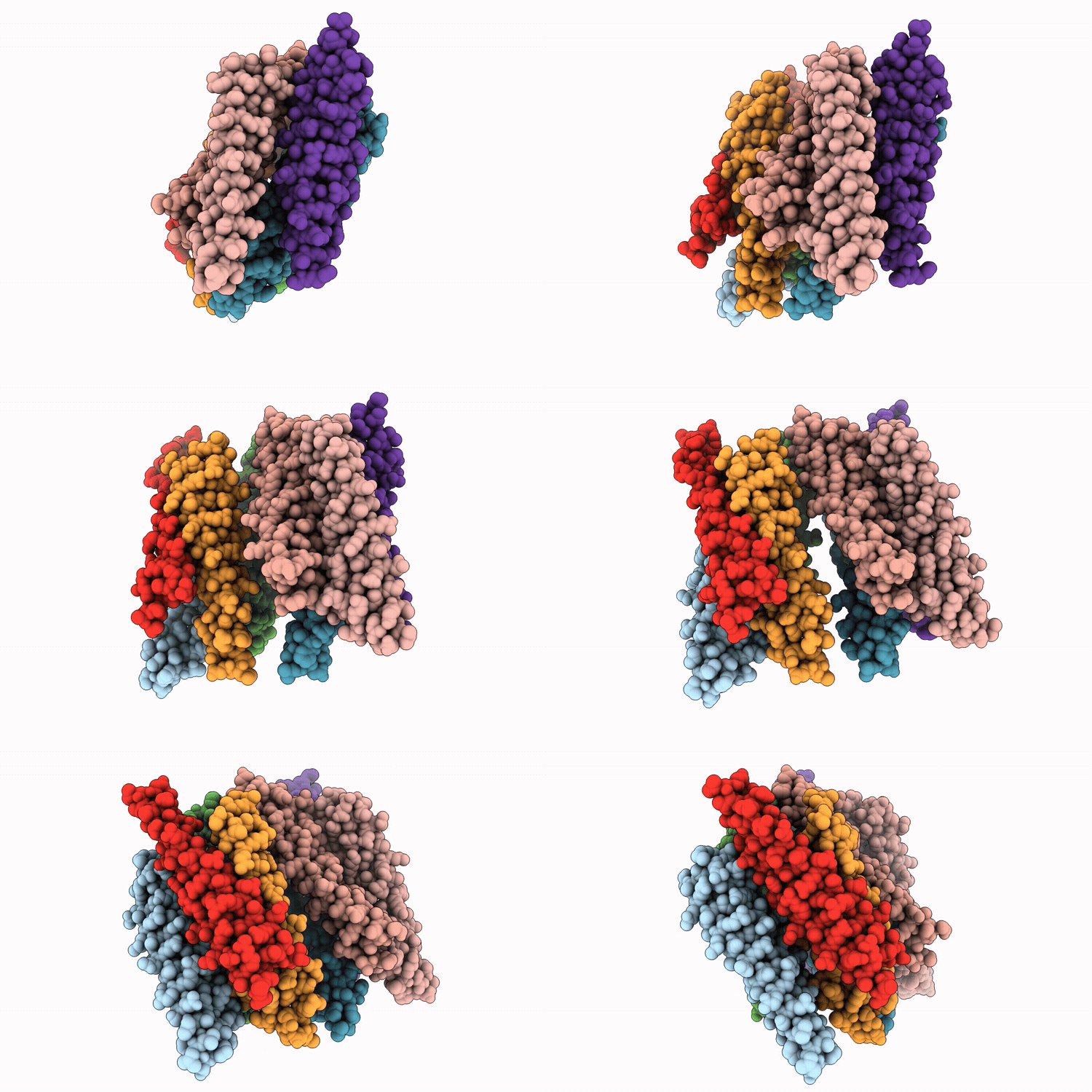
9TLT image
Deposition Date 2025-12-11
Release Date 2026-08-19
Last Version Date 2026-09-02
Entry Detail
PDB ID:
9TLT
Keywords:
Title:
De novo designed single-chain antiparallel coiled-coil hairpin with binding site for KLHL20, Sc-apCC-2-KLHL20-4
Biological Source:
Source Organism(s):
Method Details:
Experimental Method:
Resolution:
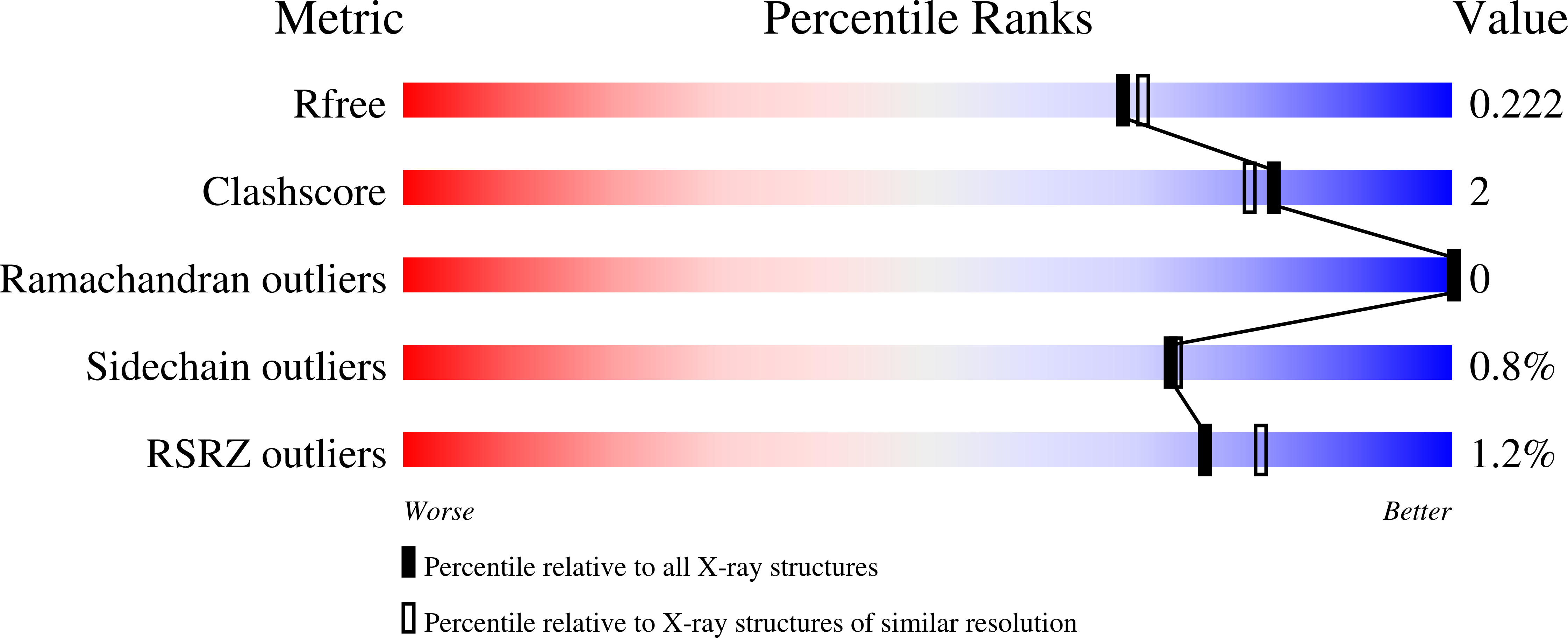
1.95 Å
R-Value Free:
0.22
R-Value Work:
0.17
R-Value Observed:
0.17
Space Group:
P 1
Macromolecular Entities
Structural Superimposition Protein Blast
Polymer Type:polypeptide(L)
Molecule:Sc-apCC-2-KLHL20-4
Chain IDs:A, B, C, D, E, F, G, H
Chain Length:84
Number of Molecules:8
Biological Source:synthetic construct
Primary Citation
De Novo-Designed Bifunctional Proteins for Targeted Protein Degradation.
J.Am.Chem.Soc. 148 34311 34319 (2026)
PMID: 42619090 DOI: 10.1021/jacs.6c07593

Abstact

In targeted protein degradation (TPD), specific subcellular proteins are removed by routing them to the ubiquitin-proteasome, autophagy, or lysosome machinery. For instance, proteolysis-targeting chimeras (PROTACs) are synthetic heterobifunctional small molecules that simultaneously bind the target and an E3 ubiquitin ligase to drive ubiquitination and degradation by the proteasome. Despite considerable success, designing such molecules is challenging, and the number of currently addressable ubiquitin E3 ligases is limited. Here, we design a heterobifunctional de novo protein to trigger the degradation of a common cancer target, resulting in a desired phenotypic output. First, we developed a highly stable and adaptable helix-turn-helix scaffold for presenting multiple binding sites. Next, we use computational protein design to incorporate and embellish hot-spot-binding sites to target the antiapoptotic mediators BCL-xL and MCL-1. We show a 75% success rate for creating submicromolar binders against these targets. Crystal structures of the complexes confirmed the designed binding poses. Then, we designed short linear motifs (SLiMs) into the loop of the scaffold to recruit KLHL20 and the ubiquitin ligase machinery. These designs have low micromolar affinity for KLHL20 comparable to that of the natural SLiMs. Moreover, the bifunctionalized proteins degrade BCL-xL in cells, leading to apoptosis.

Legend

Protein

Chemical

Disease

Primary Citation of related structures
Feedback Form
Name
Email
Institute
Feedback