

9TLF image
Deposition Date 2025-12-10
Release Date 2026-10-21
Last Version Date 2026-10-21
Entry Detail
PDB ID:
9TLF
Keywords:
Title:
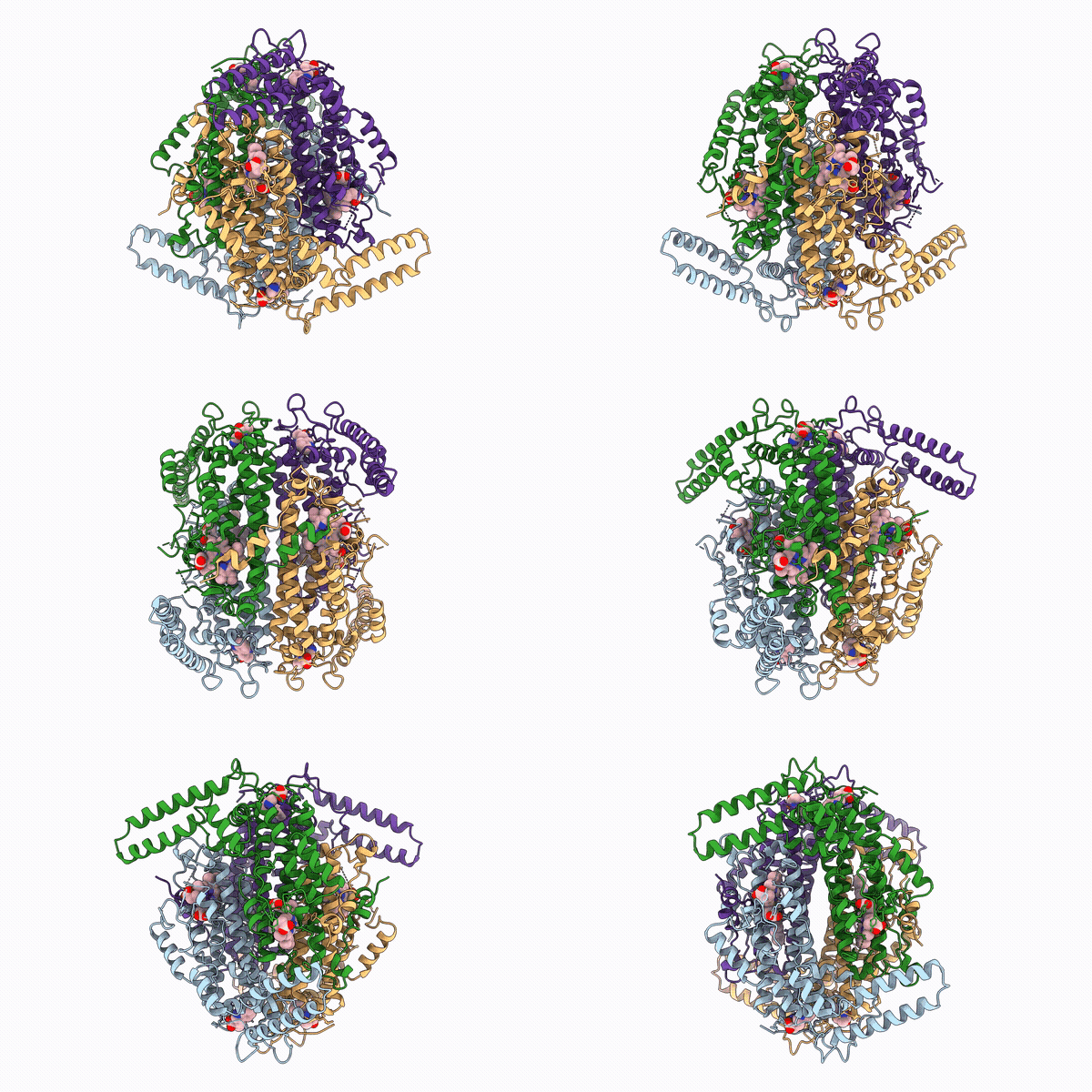
cryo-EM structure of human Tryptophan 2,3-dioxygenase (TDO2)
Biological Source:
Source Organism(s):
Homo sapiens (Taxon ID: 9606)
Expression System(s):
Method Details:
Experimental Method:
Resolution:
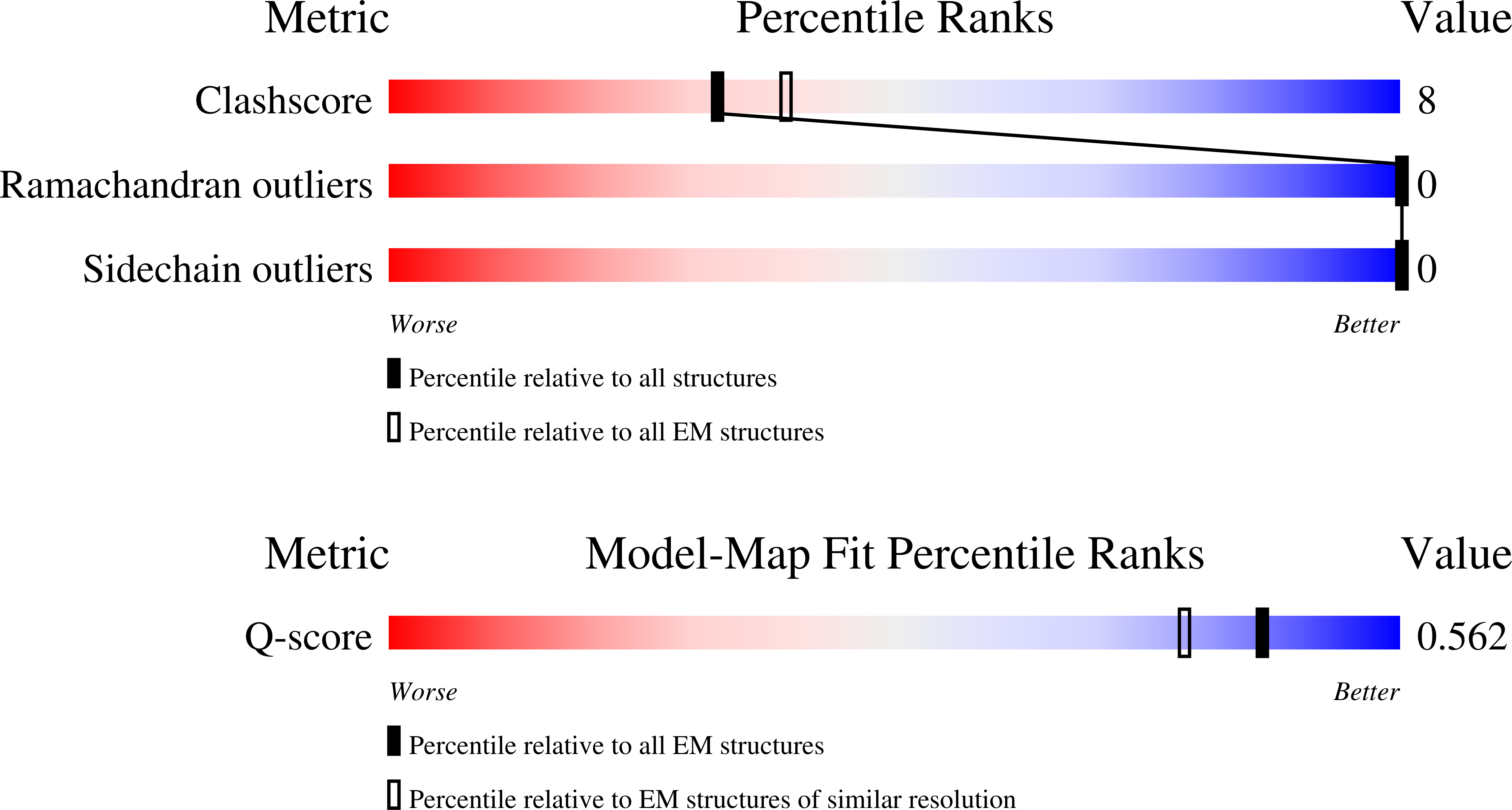
2.86 Å
Aggregation State:
PARTICLE
Reconstruction Method:
SINGLE PARTICLE
Macromolecular Entities
Polymer Type:polypeptide(L)
Molecule:Tryptophan 2,3-dioxygenase
Gene (Uniprot):TDO2
Chain IDs:A, B, C, D
Chain Length:420
Number of Molecules:4
Biological Source:Homo sapiens
Primary Citation
A CK2-beta-TrCP kinase-E3 ubiquitin ligase cascade is a metabolic sensor regulating tryptophan 2,3-dioxygenase stability.
Mol.Cell ? ? ? (2026)
PMID: 42863465 DOI: 10.1016/j.molcel.2026.09.023

Abstact

Small molecules toggling the ubiquitin-proteasome system (UPS) are powerful regulators of protein degradation, yet how endogenous ligands gate UPS decisions remains poorly understood. Here, we define control of UPS access to human tryptophan 2,3-dioxygenase (TDO2), which converts the amino acid tryptophan (Trp) to N-formylkynurenine. When Trp concentrations are limiting, TDO2 is degraded to avert hypotryptophanemia. We discovered that a CK2-beta-TrCP kinase-E3 ligase cascade generates and recognizes phosphodegrons in TDO2 unless they are shielded by Trp binding at an exosite distal from the catalytic site. Effects of Trp analogs on CK2-beta-TrCP-dependent ubiquitylation indicated that the indole, amino, and carboxylate groups collectively protect TDO2. Cryo-EM reveals that these moieties organize a Trp-ordered flap that covers the exosite and thereby restricts generation of adjacent phosphodegrons. In the absence of Trp, the flap is flexible, enabling phosphorylation-coupled ubiquitylation. Overall, our data uncovered an endogenous small molecule conformationally stabilizing its own metabolizing enzyme through protection from a phosphorylation-ubiquitylation cascade.

Legend

Protein

Chemical

Disease

Primary Citation of related structures
Feedback Form
Name
Email
Institute
Feedback