

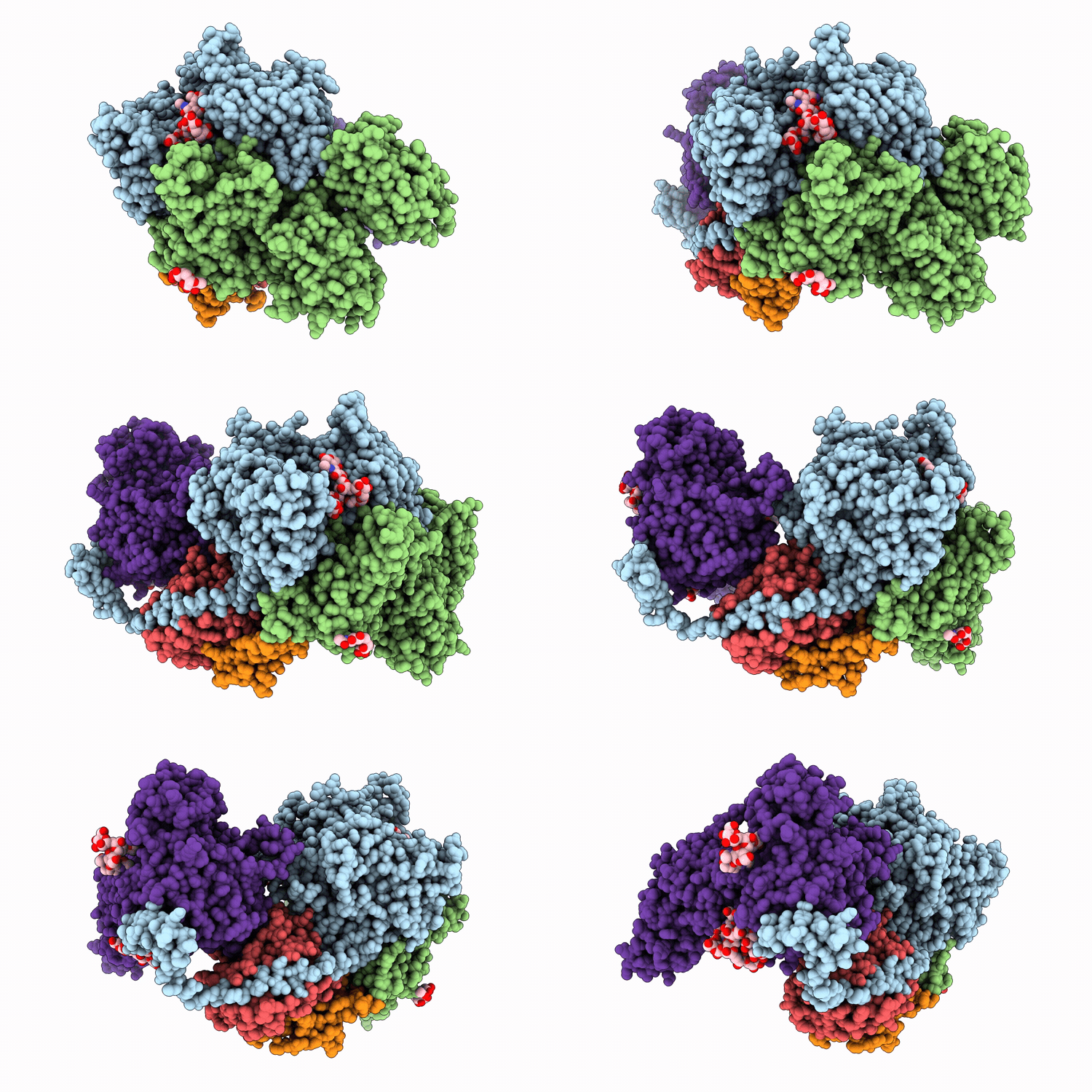
9TLE image
Deposition Date 2025-12-10
Release Date 2026-08-12
Last Version Date 2026-08-12
Entry Detail
PDB ID:
9TLE
Keywords:
Title:
Structure of human prothrombinase with prothrombin
Biological Source:
Source Organism(s):
Homo sapiens (Taxon ID: 9606)
Expression System(s):
Method Details:
Experimental Method:
Resolution:
3.10 Å
Aggregation State:
PARTICLE
Reconstruction Method:
SINGLE PARTICLE
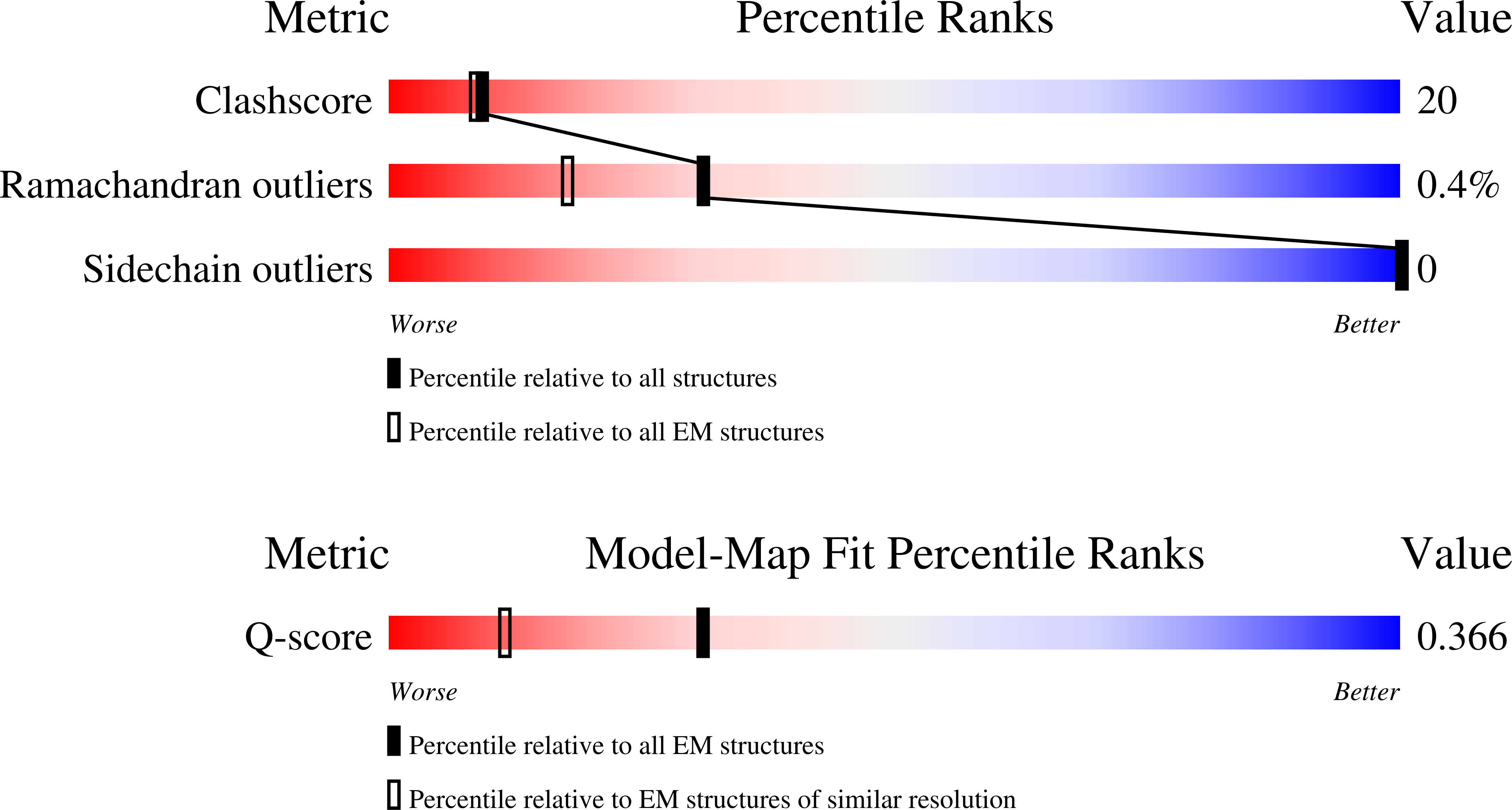
Macromolecular Entities
Polymer Type:polypeptide(L)
Molecule:Coagulation factor V heavy ch
Gene (Uniprot):F5
Chain IDs:C (auth: A)
Chain Length:709
Number of Molecules:1
Biological Source:Homo sapiens
Polymer Type:polypeptide(L)
Molecule:Coagulation factor V light ch
Gene (Uniprot):F5
Chain IDs:D (auth: B)
Chain Length:651
Number of Molecules:1
Biological Source:Homo sapiens
Polymer Type:polypeptide(L)
Molecule:Activated factor Xa heavy cha
Gene (Uniprot):F10
Chain IDs:A (auth: H)
Chain Length:254
Number of Molecules:1
Biological Source:Homo sapiens
Polymer Type:polypeptide(L)
Molecule:Coagulation factor X
Gene (Uniprot):F10
Chain IDs:B (auth: L)
Chain Length:110
Number of Molecules:1
Biological Source:Homo sapiens
Polymer Type:polypeptide(L)
Molecule:Prothrombin
Gene (Uniprot):F2
Chain IDs:E (auth: P)
Chain Length:579
Number of Molecules:1
Biological Source:Homo sapiens
Modified Residue
Compound ID Chain ID Parent Comp ID Details 2D Image
TYS C TYR modified residue
Primary Citation
Prothrombinase processivity is conferred by substrate allostery.
Embo J. 45 3954 3977 (2026)
PMID: 42020574 DOI: 10.1038/s44318-026-00782-4

Abstact

The prothrombinase complex, comprised of factor (f) Xa and fVa, converts prothrombin to thrombin through sequential cleavage at two sites in a rapid and processive manner. The molecular basis of prothrombin processing is an enzymatical mystery that to solve requires structural insight into how the substrate and intermediate bind to prothrombinase. Here we present two 3.1 A cryo-EM structures of prothrombinase bound to prothrombin and to meizothrombin. The prothrombin complex revealed a surprising interaction between the end of the heavy chain of fVa with exosite I of prothrombin, accounting for 70% of the contact interface. Triggering of the zymogen-to-protease conformational change following cleavage at Arg320 alters all domain-domain and fVa interactions observed for prothrombin, and results in a large-scale rearrangement of meizothrombin that presents the second cleavage site (Arg271) for processing. Together, these structures reveal a remarkable enzymatic mechanism that requires the active participation of the substrate itself, and introduces a new paradigm of 'substrate allostery'.

Legend

Protein

Chemical

Disease

Primary Citation of related structures
Feedback Form
Name
Email
Institute
Feedback