

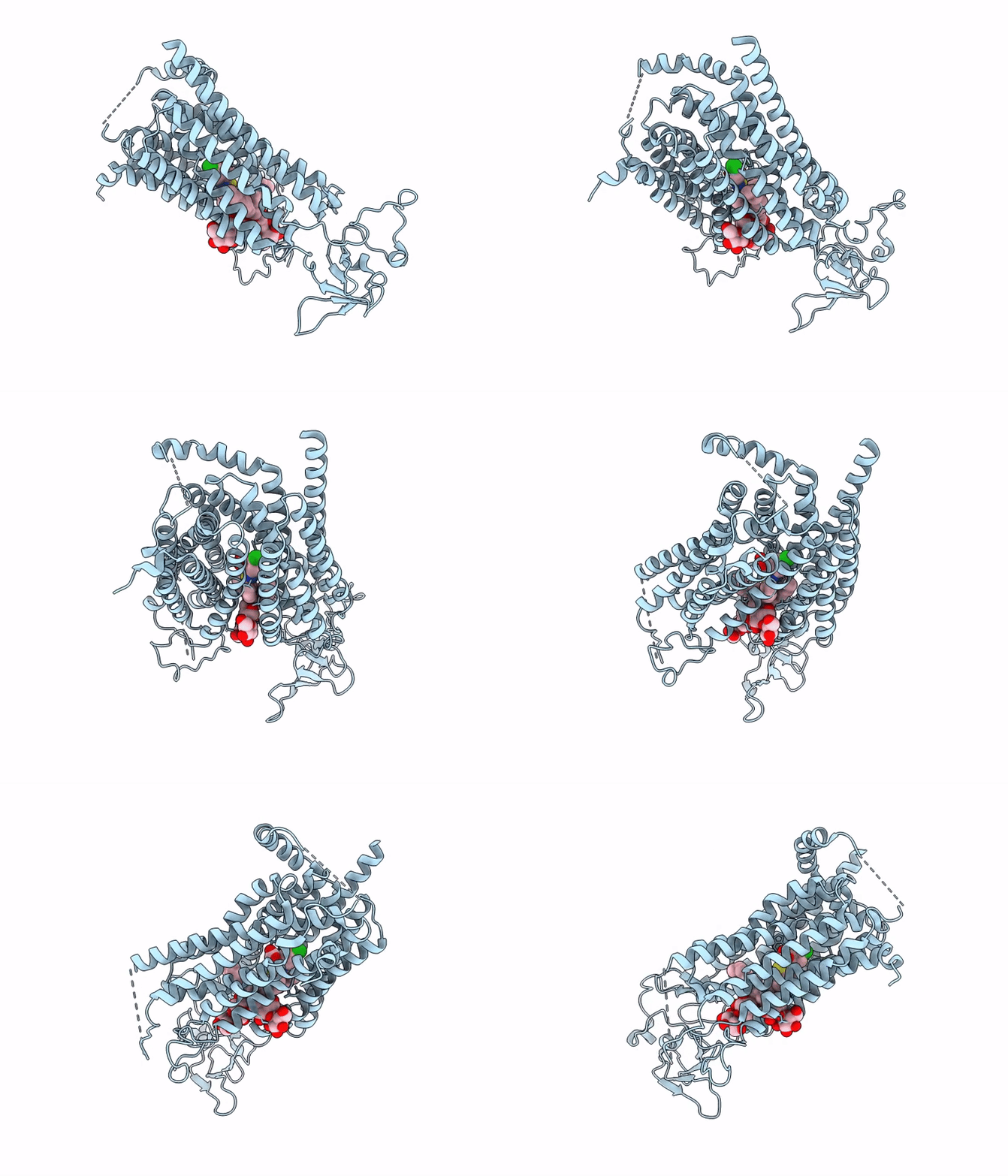
9R0A image
Deposition Date 2025-04-24
Release Date 2026-02-11
Last Version Date 2026-04-01
Entry Detail
PDB ID:
9R0A
Title:
Cryo-EM structure of rat SLCO2A1 bound to fentiazac.
Biological Source:
Source Organism(s):
Expression System(s):
Method Details:
Experimental Method:
Resolution:
3.10 Å
Aggregation State:
PARTICLE
Reconstruction Method:
SINGLE PARTICLE
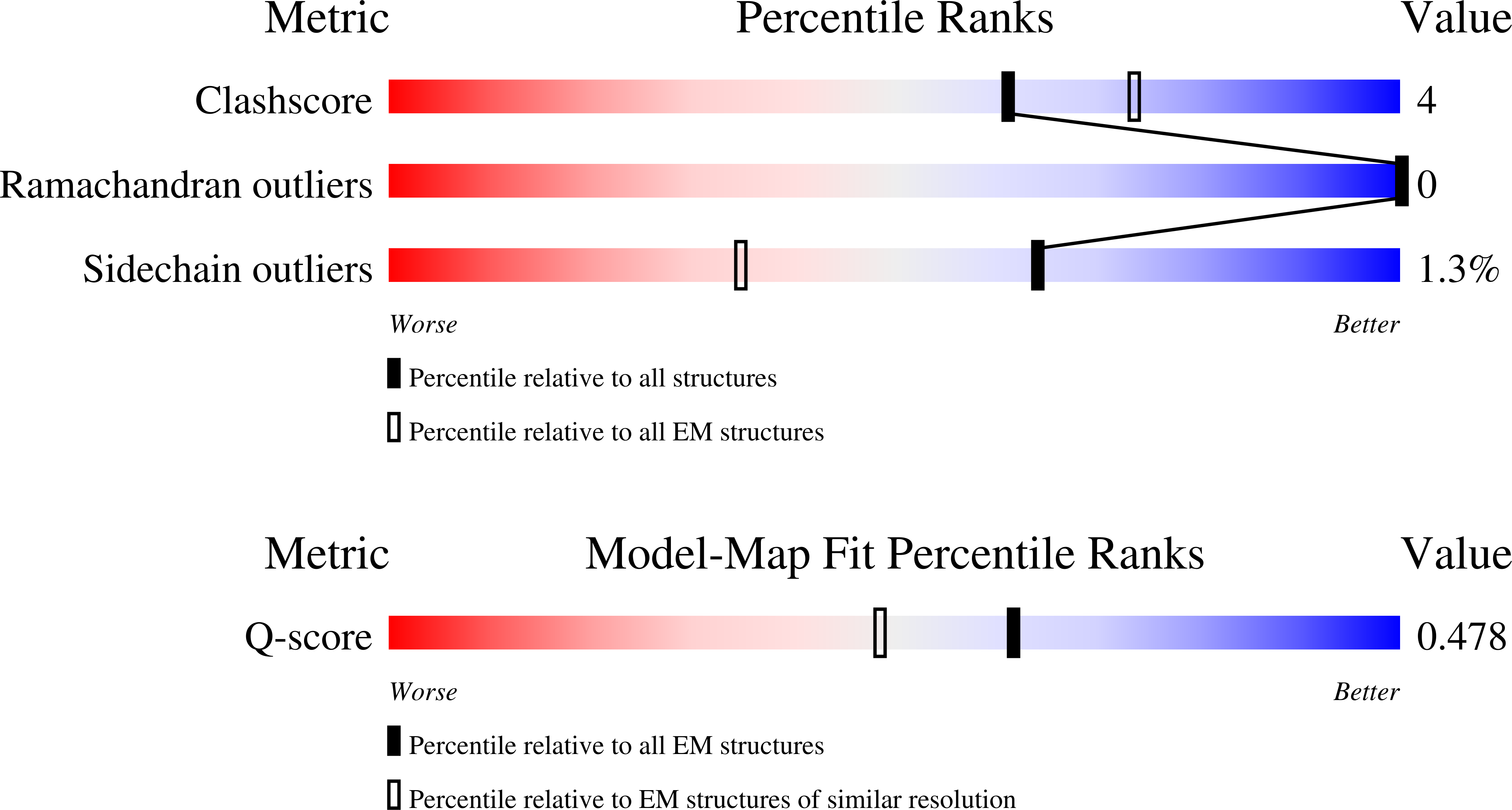
Macromolecular Entities
Structures with similar UniProt ID
Protein Blast
Polymer Type:polypeptide(L)
Molecule:Solute carrier organic anion
Gene (Uniprot):Slco2a1
Chain IDs:A
Chain Length:663
Number of Molecules:1
Biological Source:Rattus norvegicus
Primary Citation
Structural basis for prostaglandin and drug transport via SLCO2A1.
Nat Commun 17 ? ? (2026)
PMID: 41862483 DOI: 10.1038/s41467-026-70227-3

Abstact

Organic anion-transporting polypeptide transporters (SLCO/OATPs) function as cellular gatekeepers, regulating intestinal absorption, hepatic and renal clearance, and the tissue distribution of drugs and metabolites in the human body. However, the mechanisms underlying substrate selection within the SLCO superfamily remain unclear, hampering efforts to rationalize the interaction of drugs and metabolites with these transporters. SLCO2A1 (also known as OATP2A1) is responsible for the distribution of eicosanoids, including prostaglandins (PGs) and thromboxanes, throughout the body, in addition to several families of nonsteroidal anti-inflammatory drugs (NSAIDs). Here, we present cryogenic electron microscopy structures of SLCO2A1 bound to endogenous PGs and to four widely prescribed medications for treating inflammation, chronic asthma, and Parkinson's disease (PD). Complementary molecular dynamics and in vivo cellular assays elucidate the molecular basis for PG and drug recognition. Our study reports essential mechanistic details that underpin substrate selection and subfamily adaptation within the broader SLCO superfamily of drug and metabolite transporters.

Legend

Protein

Chemical

Disease

Primary Citation of related structures
Feedback Form
Name
Email
Institute
Feedback