

9PZ4 image
Deposition Date 2025-08-08
Release Date 2026-06-10
Last Version Date 2026-06-10
Entry Detail
PDB ID:
9PZ4
Keywords:
Title:
Crystal structure of 2-methoxyhydroquinone dioxygenase (MhdA) from Gelatoporia subvermispora
Biological Source:
Source Organism(s):
Expression System(s):
Method Details:
Experimental Method:
Resolution:
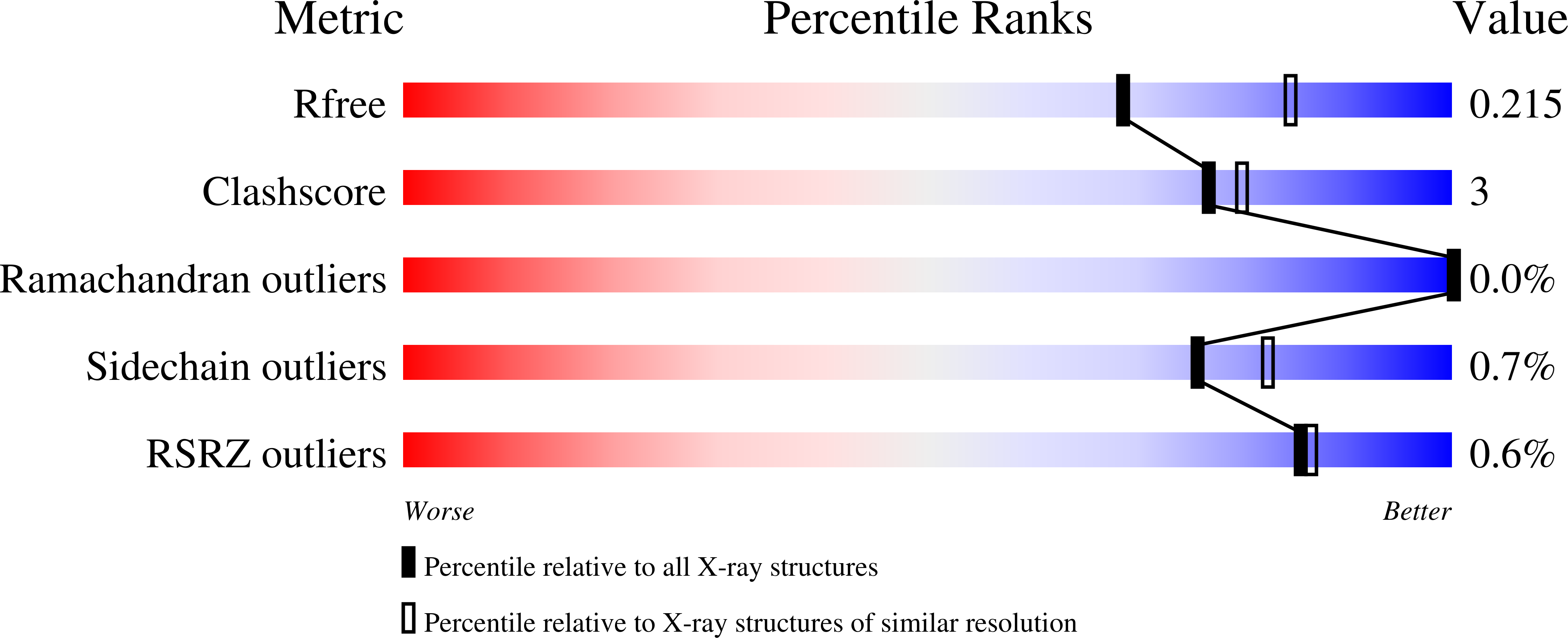
2.25 Å
R-Value Free:
0.21
R-Value Work:
0.16
R-Value Observed:
0.17
Space Group:
P 21 21 21
Macromolecular Entities
Structures with similar UniProt ID
Protein Blast
Polymer Type:polypeptide(L)
Molecule:homogentisate 1,2-dioxygenase
Gene (Uniprot):CERSUDRAFT_116559
Chain IDs:A, B, C, D, E, F
Chain Length:496
Number of Molecules:6
Biological Source:Gelatoporia subvermispora B
Primary Citation
Catabolism of lignin-related methoxylated compounds in white-rot fungi utilizes non-canonical oxidoreductases.
Cell Rep 45 117428 117428 (2026)
PMID: 42217187 DOI: 10.1016/j.celrep.2026.117428

Abstact

White-rot fungi (WRF) are the most effective lignin-degrading organisms in nature. Lignin is a highly methoxylated plant biopolymer, yet the pathways WRF use to metabolize methoxylated aromatic monomeric compounds as carbon sources remain unidentified. Using systems biology, we elucidate the intracellular catabolism of vanillate-a monomethoxylated aromatic compound-by Gelatoporia subvermispora and Trametes versicolor. We identify and biochemically validate a four-enzyme pathway that converts vanillate into beta-ketoadipate, which enters central carbon metabolism. Unlike bacteria, which demethylate vanillate before ring-cleavage by intradiol dioxygenases, WRF employ oxidative decarboxylation followed by extradiol dioxygenase-mediated cleavage. A previously uncharacterized hydrolase is also shown to catalyze the terminal step of this pathway. Biochemical and structural approaches reveal non-canonical enzymes, including a highly substrate-specific extradiol dioxygenase and a metal-free, promiscuous reductase that acts on both methoxylated and non-methoxylated intermediates. These findings highlight distinct fungal strategies for aromatic degradation, offering insights into lignin valorization and wood decay mechanisms.

Legend

Protein

Chemical

Disease

Primary Citation of related structures
Feedback Form
Name
Email
Institute
Feedback