Abstact
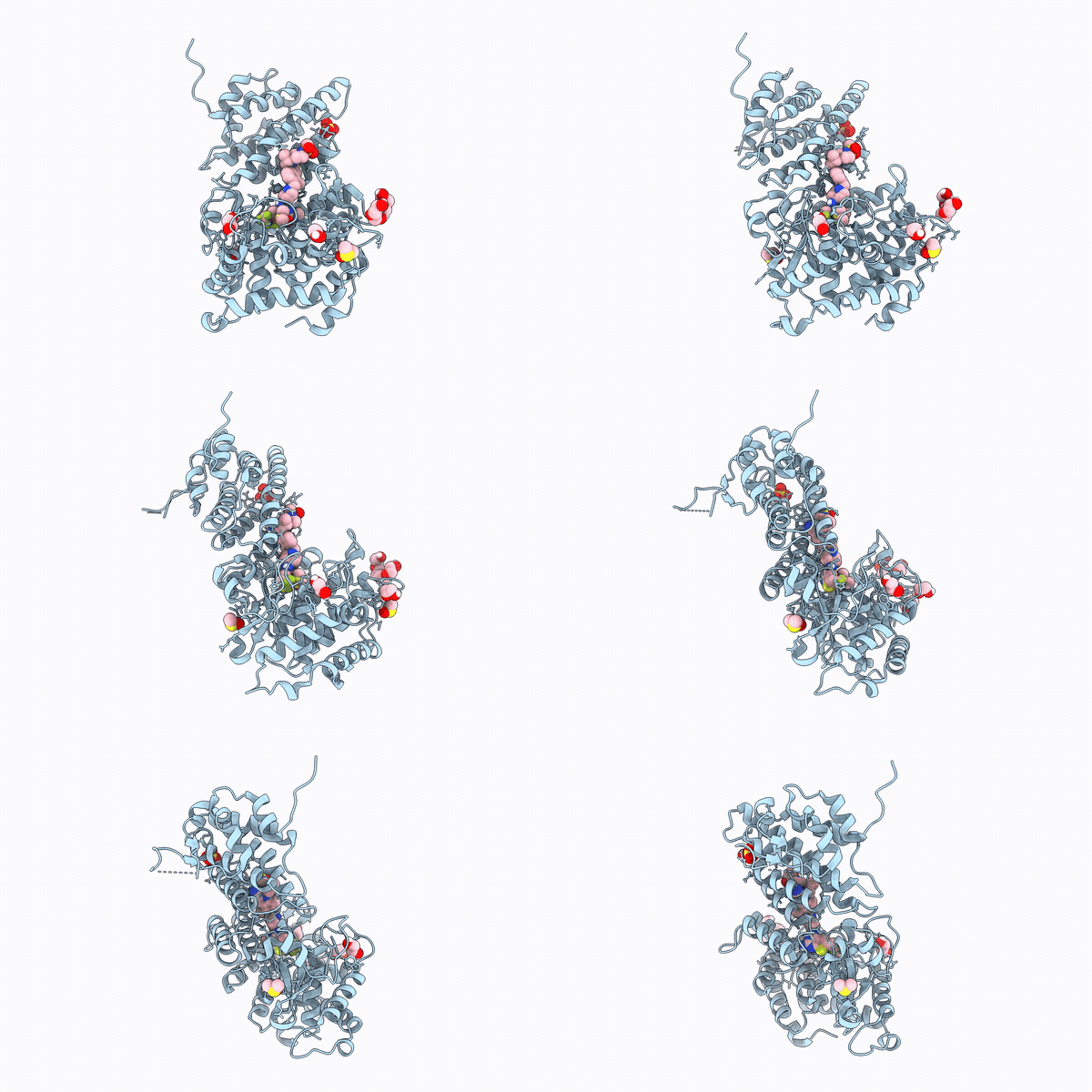
The protein-protein interaction between menin and KMT2A (histone lysine methyltransferase 2A) plays a critical role in acute leukemia with KMT2A rearrangements, nucleophosmin 1 (NPM1) mutations, and nucleoporin 98 rearrangements and represents an emerging opportunity for therapeutic intervention. Here, we report the development and comprehensive evaluation of the activity of ziftomenib as an orally bioavailable, highly potent, and selective small-molecule inhibitor of the menin-KMT2A interaction. In leukemia cells and primary patient samples with the menin-KMT2A dependency, ziftomenib profoundly inhibited proliferation, reduced clonogenic potential, and induced differentiation, which was associated with strong downregulation of the menin-KMT2A target genes, including MEIS1, HOXA9, and HOXB2. In xenografts and patient-derived xenograft models of KMT2A-rearranged leukemia, ziftomenib induced leukemia regression or reduced leukemia burden, accompanied by a pronounced reduction in the menin-KMT2A target genes. We next assessed ziftomenib against 4 MEN1 (gene encoding menin) mutants (T349M, M327I, G331R, G331D) associated with clinical resistance to another menin inhibitor, revumenib. Ziftomenib retained antileukemic activity against T349M mutant cells and demonstrated low nanomolar potency (50% growth inhibition </= 25nM) against G331R cells, despite several-fold reduced potency relative to MEN1 wild-type cells, whereas the M327I and G331D mutants were resistant. The crystal structures of ziftomenib in complex with menin wild-type, T349M, or G331R mutants revealed a similar binding mode of ziftomenib to these menin variants, rationalizing the potent inhibitory activity toward these mutants. Ziftomenib has recently received US Food and Drug Administration approval for adult patients with NPM1-mutated acute myeloid leukemia and continues to be evaluated clinically in leukemias with NPM1 or KMT2A alterations, both as monotherapy and in combinations.