

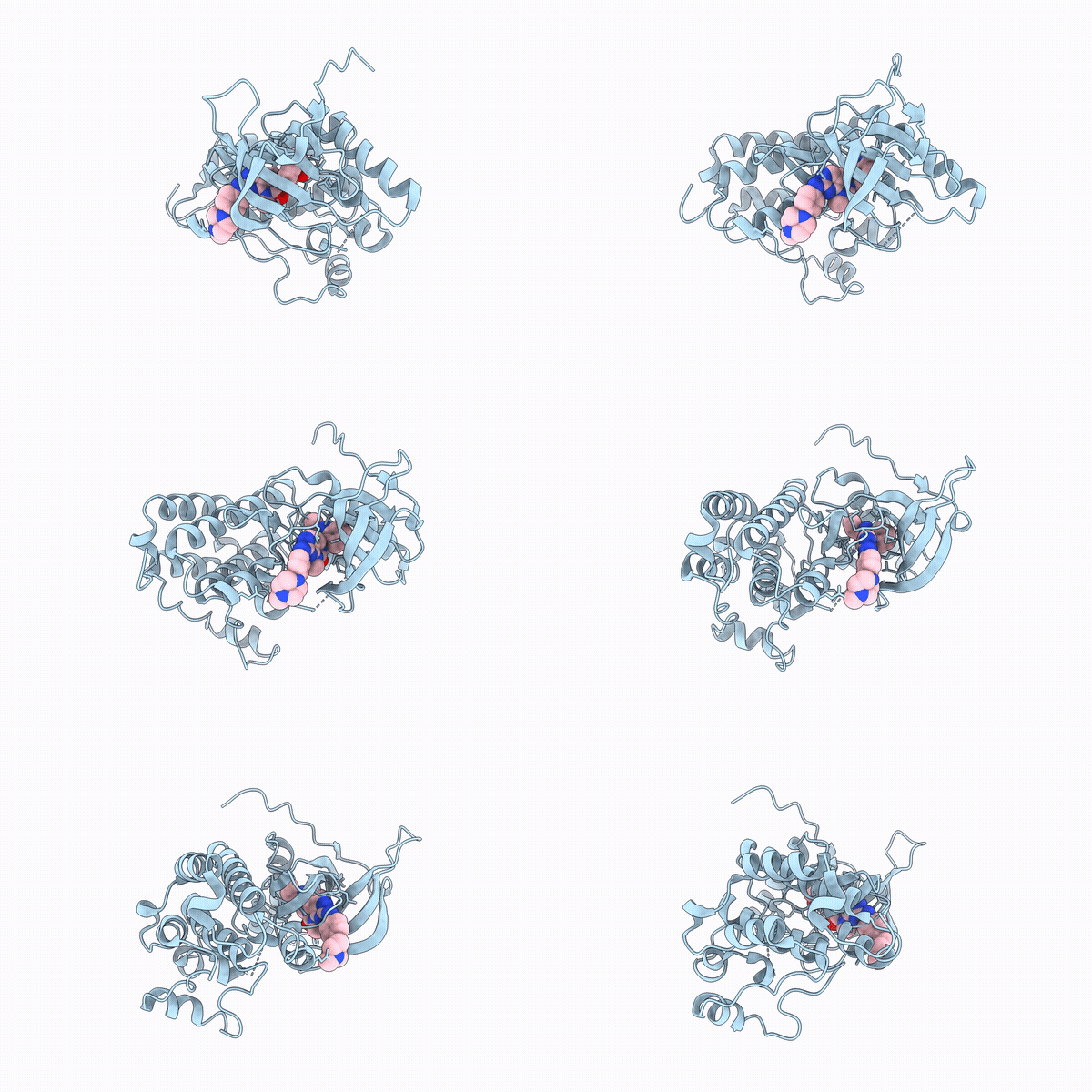
9PWI image
Deposition Date 2025-08-04
Release Date 2026-10-28
Last Version Date 2026-10-28
Entry Detail
PDB ID:
9PWI
Title:
EGFR kinase bound to ZNL-1
Biological Source:
Source Organism(s):
Homo sapiens (Taxon ID: 9606)
Expression System(s):
Method Details:
Experimental Method:
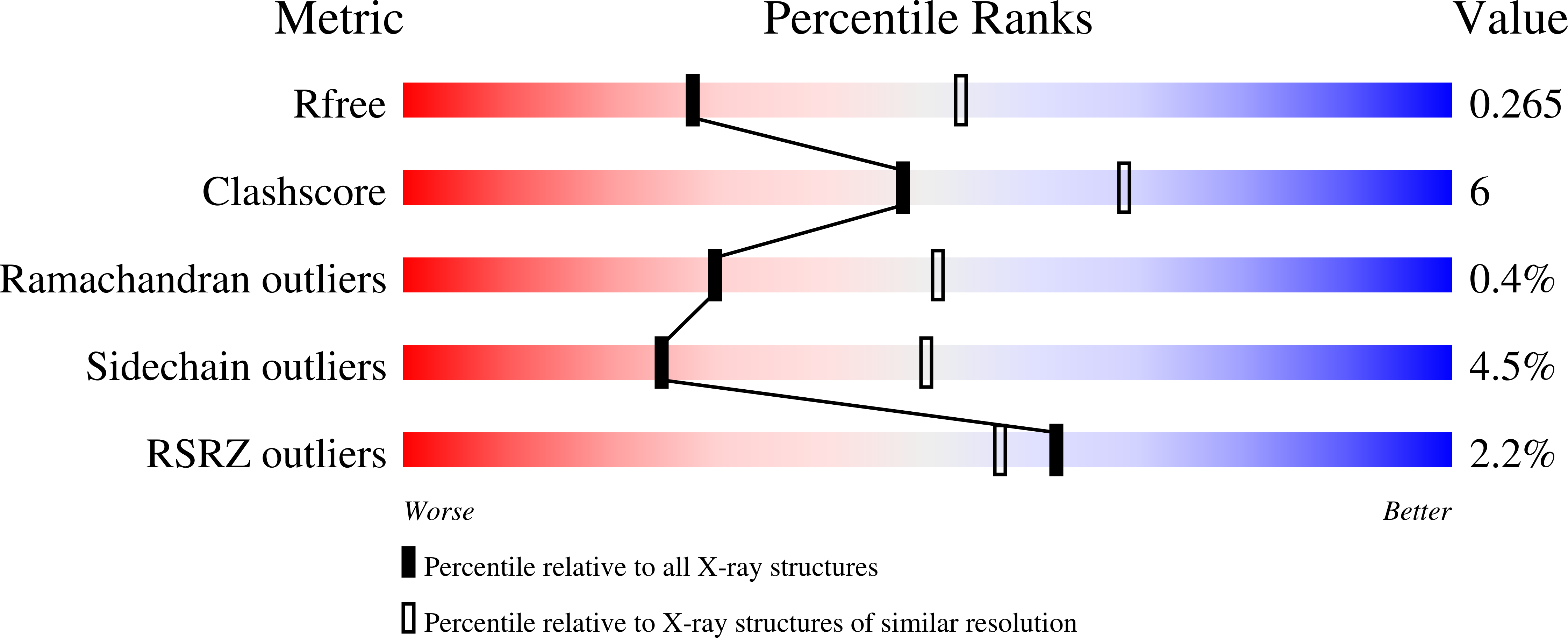
Resolution:
2.60 Å
R-Value Free:
0.25
R-Value Work:
0.22
R-Value Observed:
0.22
Space Group:
P 43 21 2
Macromolecular Entities
Polymer Type:polypeptide(L)
Molecule:Epidermal growth factor recep
Gene (Uniprot):EGFR
Chain IDs:A
Chain Length:331
Number of Molecules:1
Biological Source:Homo sapiens
Ligand Molecules
Primary Citation
Overcoming EGFR resistance by monovalent and bident inhibitors targeting Cys775.
Biorxiv ? ? ? (2025)
PMID: 41573874 DOI: 10.64898/2025.11.28.691243

Abstact

Covalent targeting of EGFR cysteine 797 by osimertinib is one of the most successful breakthroughs in targeted therapy, fundamentally transforming the treatment landscape for non-small cell lung cancer (NSCLC) patients. However, resistance driven by mutation of C797 remains a major clinical challenge. Developing novel covalent strategies beyond C797 targeting presents a compelling opportunity for next-generation EGFR inhibitors. We first demonstrated that cysteine 775, located deep within the ATP-binding pocket, is accessible by a rationally designed covalent molecule ZNL-3, which as the first-in-class covalent cysteine 775 inhibitor exhibited strong efficacy in osimertinib-resistant mouse models. To further enhance resilience to resistance-causing mutations, we developed a dual-warhead, bident compound-YNW-1-which covalently targets both cysteine 775 and 797 simultaneously. YNW-1 is the first intramolecular lock to exhibit balanced reactive efficiency on both cysteines, rendering single-site mutations ineffective to confer resistance. The discovery of ZNL-3 and YNW-1 represents significant advancements in EGFR-targeted drug development, and further optimization toward clinical translation is a worthwhile strategy. SIGNIFICANCE: This study establishes the therapeutic potential of an EGFR covalent inhibitor through unprecedented targeting of cysteine 775 and provides the first demonstration that dual cysteine engagement offers superior efficacy over conventional covalent inhibitors by delaying resistance.

Legend

Protein

Chemical

Disease

Primary Citation of related structures
Feedback Form
Name
Email
Institute
Feedback