

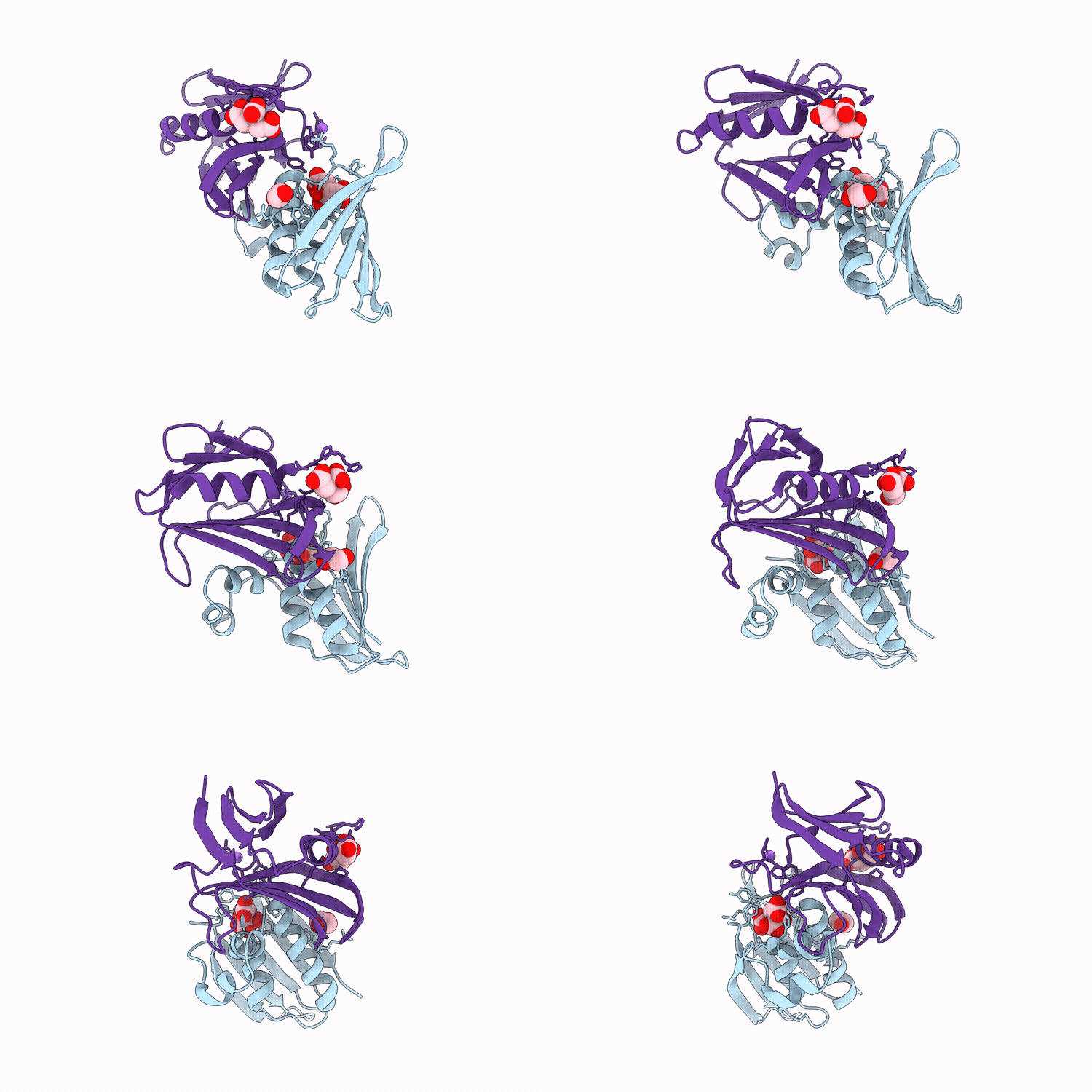
9PW2 image
Deposition Date 2025-08-04
Release Date 2026-08-05
Last Version Date 2026-09-02
Entry Detail
PDB ID:
9PW2
Keywords:
Title:
Taylorella equigenitalis BaDTF3 deaminase toxin DddB bound to the immunity protein
Biological Source:
Source Organism(s):
Expression System(s):
Method Details:
Experimental Method:
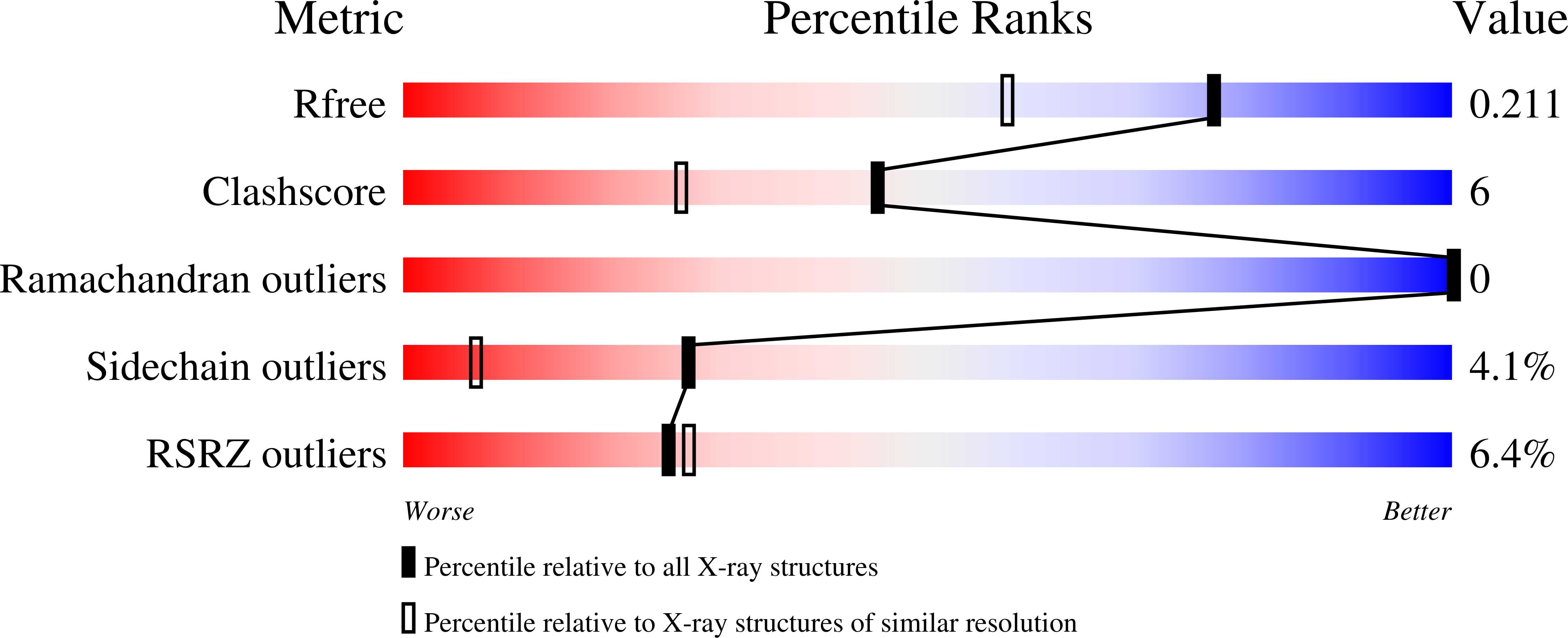
Resolution:
1.61 Å
R-Value Free:
0.21
R-Value Work:
0.18
R-Value Observed:
0.18
Space Group:
P 21 21 2
Macromolecular Entities
Structural Superimposition
Polymer Type:polypeptide(L)
Molecule:BaDTF3
Chain IDs:A
Chain Length:116
Number of Molecules:1
Biological Source:Taylorella equigenitalis
Structural Superimposition
Polymer Type:polypeptide(L)
Molecule:MEI
Chain IDs:B
Chain Length:123
Number of Molecules:1
Biological Source:Taylorella equigenitalis
Primary Citation
Structural basis for double-stranded DNA cytosine deamination by BaDTF3 and its application in mitochondrial genome editing.
Nat Commun 17 ? ? (2026)
PMID: 42082514 DOI: 10.1038/s41467-026-72730-z

Abstact

Bacterial deaminase toxin family (BaDTF) proteins are weapons used in bacterial warfare, and they are useful tools in base editing, epigenetics analyses, and genomic footprinting applications. Our previous studies revealed the mechanisms of 5'-TC-specific cytosine deamination in double-stranded (ds)DNA by DddA from BaDTF1 and sequence context-independent single-stranded (ss)DNA cytosine deamination by SsdA from BaDTF2. Here, we show that a representative member of BaDTF3, DddB, deaminates cytosines specifically in dsDNA, but with a broad sequence context preference. Our crystal structure of DddB bound to dsDNA reveals a distinct mechanism of substrate engagement, in which a helix-hairpin-helix motif inserted into the minor groove of dsDNA promotes flipping of the target cytosine into the enzyme active site. Based on the structural information, we generate both monomeric and split DddB-derived cytosine base editors (BdCBE) and demonstrate that they can perform CRISPR-free mitochondrial base editing in human cells, with an expanded targeting scope compared to the DddA-derived DdCBEs. Our studies highlight the mechanistic diversity among BaDTF proteins and expand the repertoire of dsDNA deaminase enzymes for genome editing and other applications.

Legend

Protein

Chemical

Disease

Primary Citation of related structures
Feedback Form
Name
Email
Institute
Feedback