

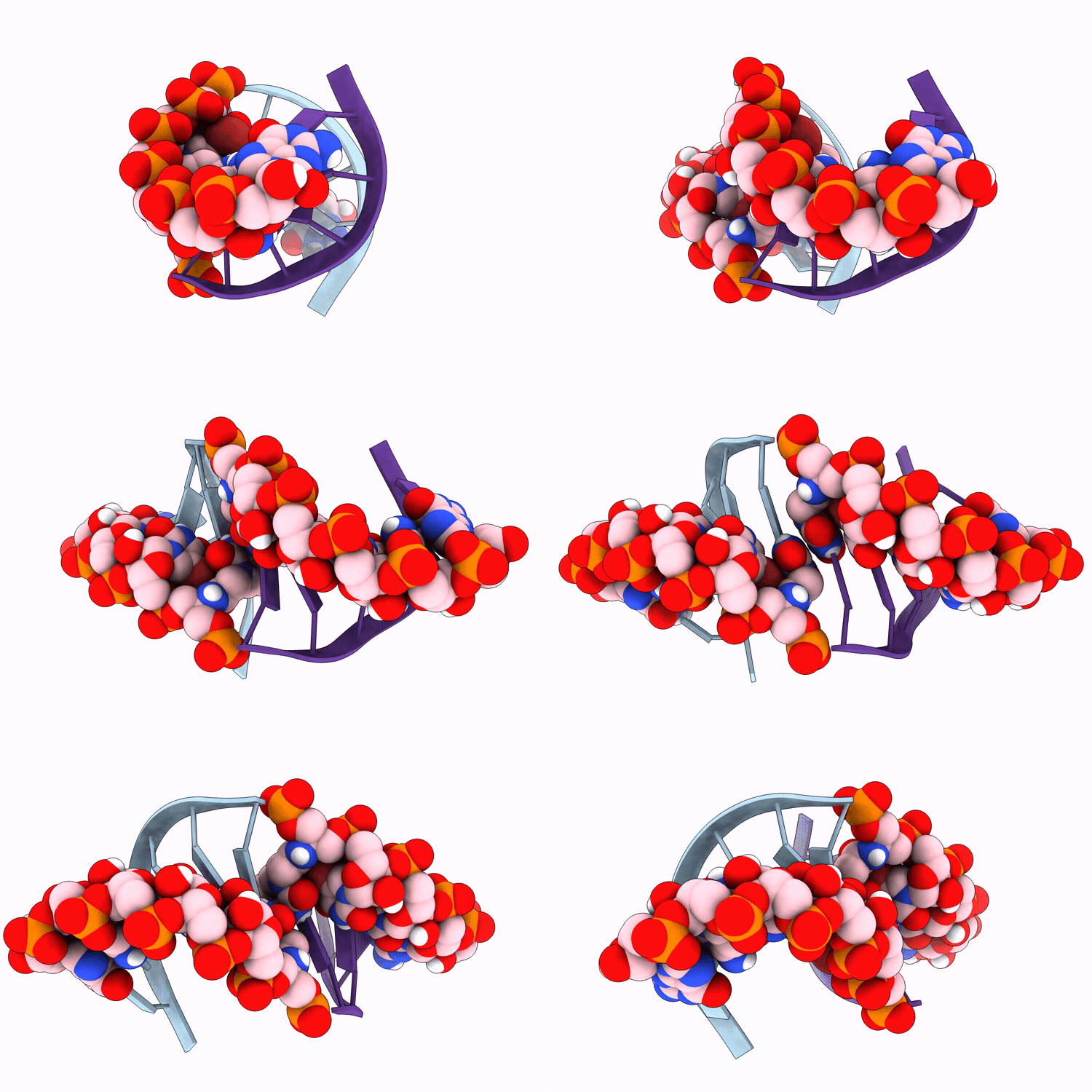
9O47 image
Deposition Date 2025-04-08
Release Date 2026-04-22
Last Version Date 2026-04-29
Entry Detail
PDB ID:
9O47
Keywords:
Title:
RNA dodecamer containing a serinol nucleic acid.
Biological Source:
Source Organism(s):
Method Details:
Experimental Method:
Resolution:
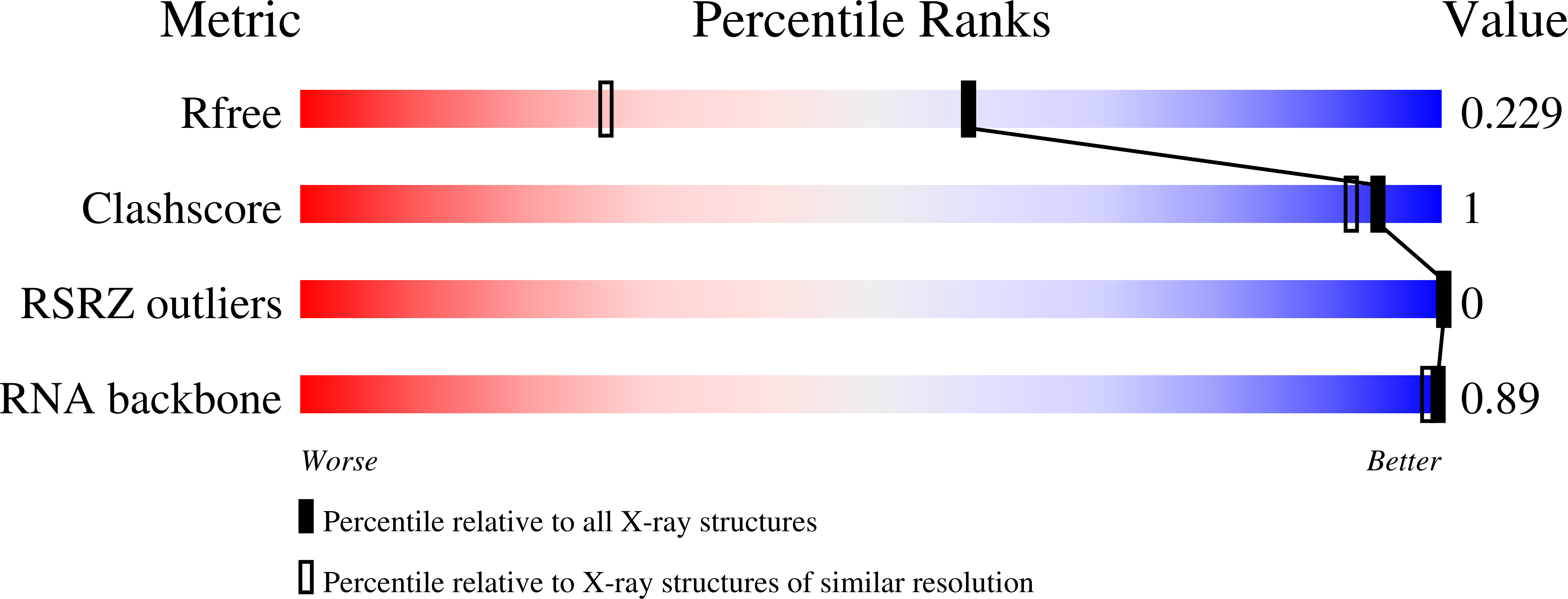
1.60 Å
R-Value Free:
0.22
R-Value Work:
0.19
R-Value Observed:
0.19
Space Group:
P 1
Macromolecular Entities
Polymer Type:polyribonucleotide
Molecule:Chains: A,B
Chain IDs:A, B
Chain Length:12
Number of Molecules:2
Biological Source:synthetic construct
Primary Citation
Acyclic serinol nucleic acid modification of siRNAs overcomes seed region mediated off-target effects while maintaining potency.
Nucleic Acids Res. 54 ? ? (2026)
PMID: 41994868 DOI: 10.1093/nar/gkag345

Abstact

Similar in structure to both glycol nucleic acid (GNA) and peptide nucleic acid (PNA), serinol nucleic acid (SNA) combines the acyclic flexibility of GNA with the amide bond found in PNA and can form stable heteroduplexes with DNA and RNA. While the thermal and metabolic stability of SNA and SNA-modified heteroduplexes has been previously reported, we here describe the application of SNA in RNA interference (RNAi) using GalNAc-conjugated small interfering RNAs (siRNAs). Single incorporations were evaluated at each position across both the guide and passenger strands and subsequently evaluated at key positions in mice. Additionally, the off-target potential of siRNAs containing SNA was assessed. We demonstrate the position-dependent tolerance of SNA inside both the guide and passenger strands, and more specifically, high tolerance of SNA incorporation in the seed region of the guide strand, preserving on-target activity while mitigating microRNA-like off-target effects. Furthermore, the crystal structure of an RNA dodecamer containing a single SNA nucleotide was obtained and the resulting SNA structure was used to explain the activity of SNA containing siRNAs. Thus, SNA constitutes another viable modification in the siRNA toolbox for the development of potent and specific RNAi therapeutics.

Legend

Protein

Chemical

Disease

Primary Citation of related structures
Feedback Form
Name
Email
Institute
Feedback