

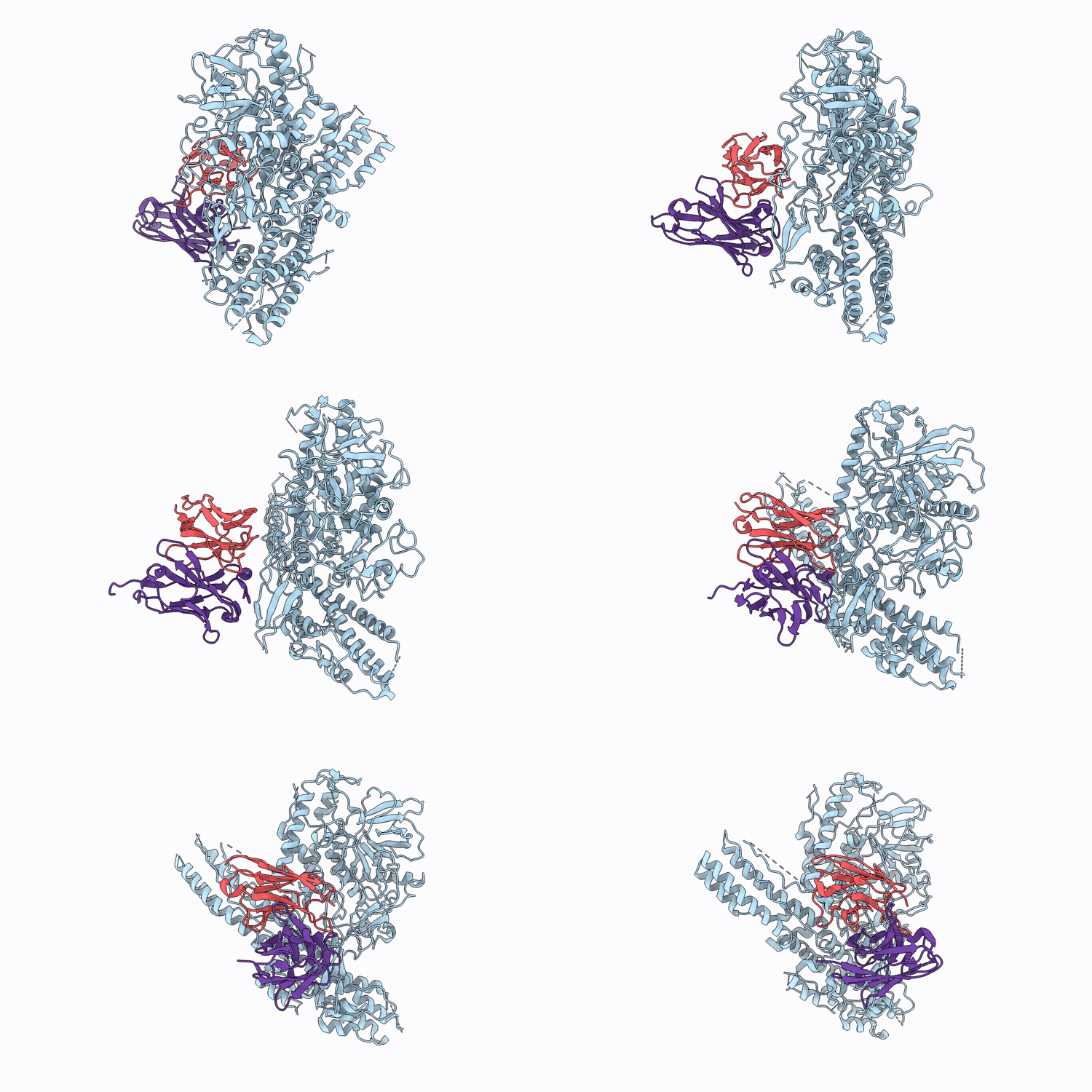
9NEY image
Deposition Date 2025-02-20
Release Date 2026-07-01
Last Version Date 2026-07-01
Entry Detail
PDB ID:
9NEY
Title:
The structure of BoNT/A in complex with a neutralizing antibody 2G11
Biological Source:
Source Organism(s):
Expression System(s):
Method Details:
Experimental Method:
Resolution:
3.06 Å
Aggregation State:
PARTICLE
Reconstruction Method:
SINGLE PARTICLE
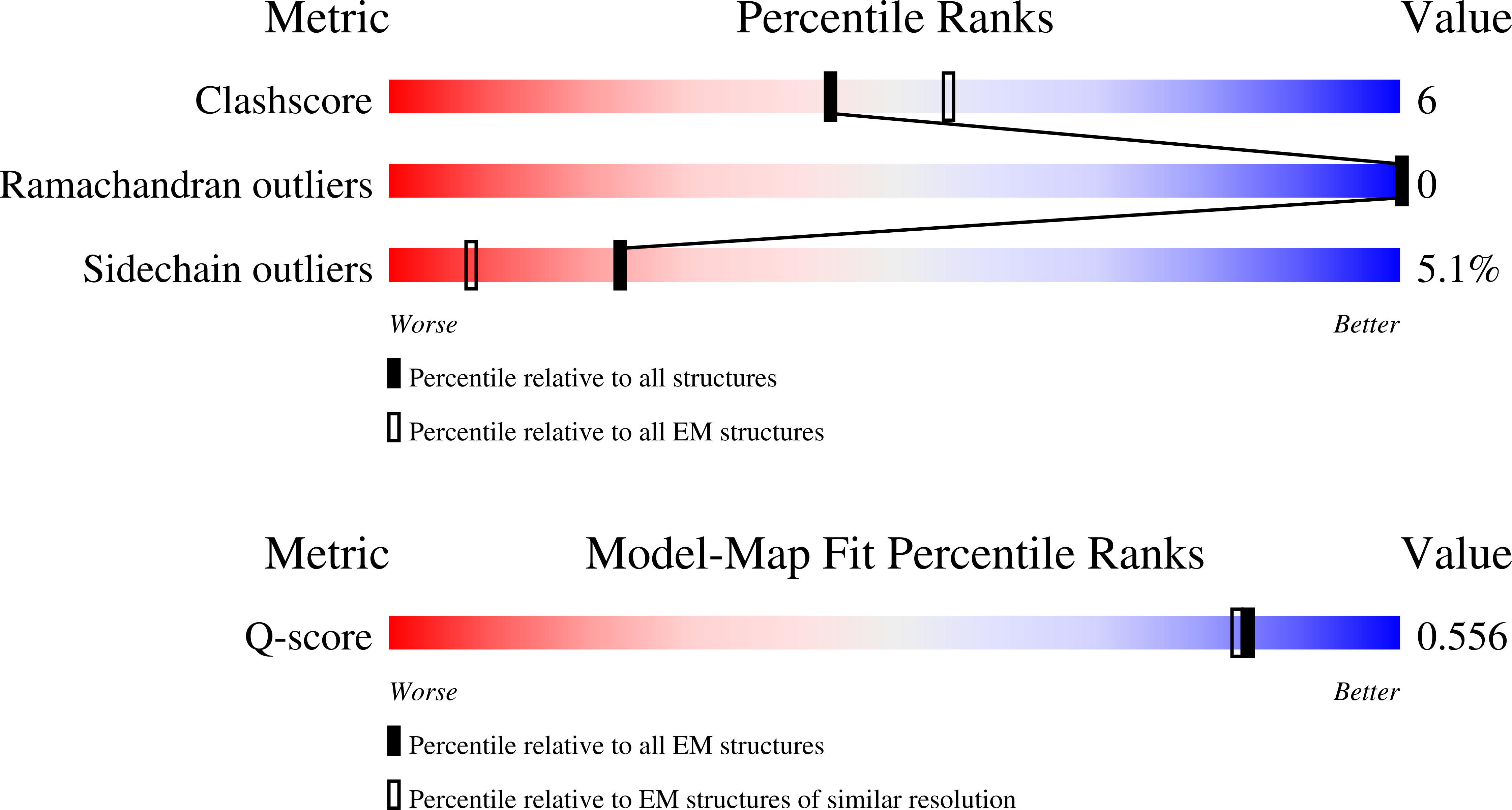
Macromolecular Entities
Polymer Type:polypeptide(L)
Molecule:Botulinum neurotoxin type A
Gene (Uniprot):botA
Chain IDs:A
Chain Length:1301
Number of Molecules:1
Biological Source:Clostridium botulinum
Structural Superimposition Protein Blast
Polymer Type:polypeptide(L)
Molecule:Light Chain
Chain IDs:C (auth: B)
Chain Length:215
Number of Molecules:1
Biological Source:Homo sapiens
Structural Superimposition Protein Blast
Polymer Type:polypeptide(L)
Molecule:Heavy Chain
Chain IDs:B (auth: C)
Chain Length:223
Number of Molecules:1
Biological Source:Homo sapiens
Ligand Molecules
Primary Citation
A belt-buckle checkpoint regulates the onset of botulinum neurotoxin intoxication.
Nat Commun 17 ? ? (2026)
PMID: 42337249 DOI: 10.1038/s41467-026-74499-7

Abstact

Fast-acting botulinum neurotoxins (BoNTs) are highly desirable for both medical and aesthetic indications, but the underlying mechanism for the differing onset of BoNTs' action remains unknown. Here, we demonstrate that the "belt" of BoNTs, a largely unstructured loop wrapping around their catalytic light chain (LC), is key to onset of intoxication. The more flexible BoNT/E belt promotes quicker LC translocation into the neuronal cytosol, leading to faster onset of action compared to BoNT/A. Furthermore, we discover a "belt-buckle" checkpoint that regulates this process. By loosening the BoNT/A belt-buckle via protein engineering, we enhance its sensitivity to acidic pH, leading to an accelerated onset of action. Conversely, locking the belt-buckle with an antibody neutralizes BoNT/A. Our findings open avenues for developing fast-acting BoNTs and effective countermeasures.

Legend

Protein

Chemical

Disease

Primary Citation of related structures
Feedback Form
Name
Email
Institute
Feedback