

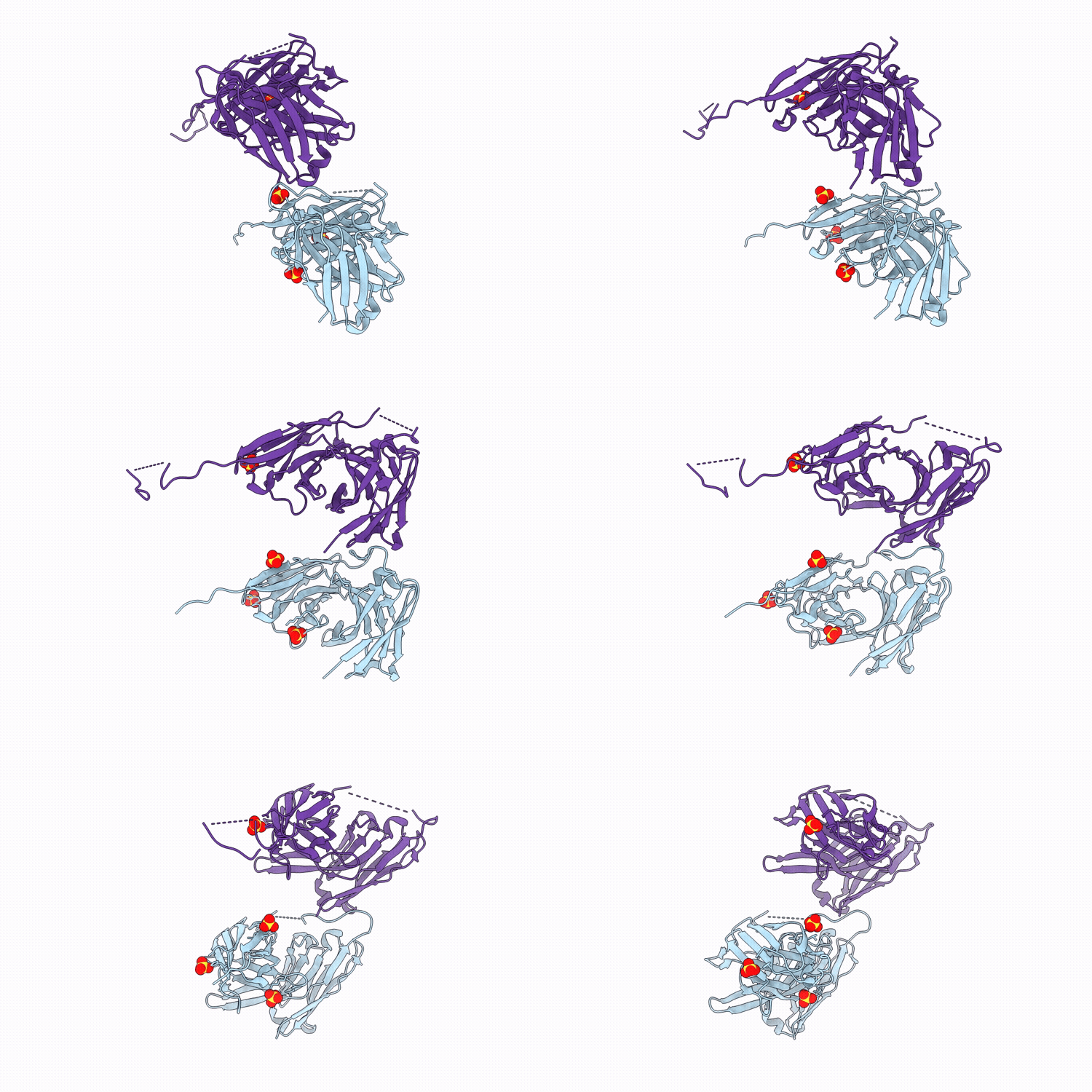
9N97 image
Deposition Date 2025-02-10
Release Date 2026-05-27
Last Version Date 2026-06-03
Entry Detail
PDB ID:
9N97
Title:
Crystal structure of the cysteine-free anti-UTag intrabody
Biological Source:
Source Organism(s):
Mus musculus (Taxon ID: 10090)
Expression System(s):
Method Details:
Experimental Method:
Resolution:
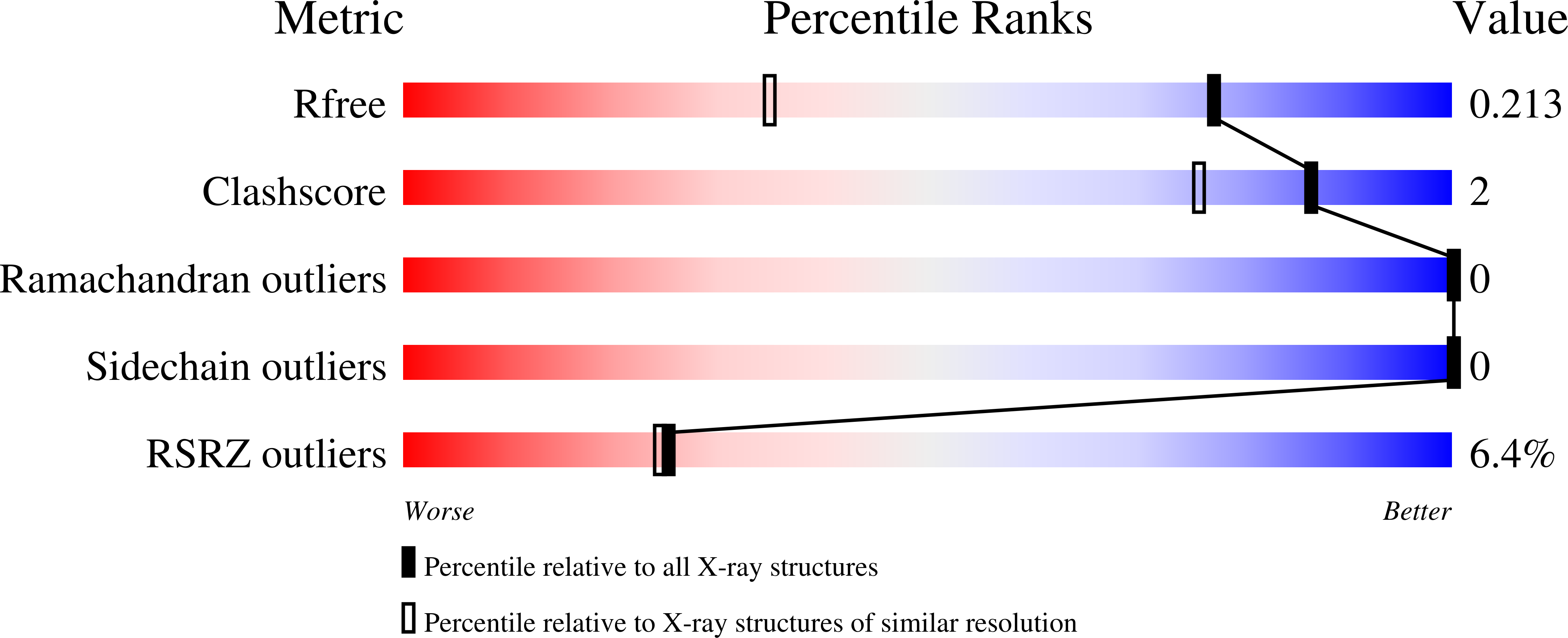
1.45 Å
R-Value Free:
0.21
R-Value Work:
0.17
R-Value Observed:
0.17
Space Group:
P 21 21 21
Macromolecular Entities
Structural Superimposition Protein Blast
Polymer Type:polypeptide(L)
Molecule:cystine-free anti-HIV scFv ch
Chain IDs:A, B
Chain Length:277
Number of Molecules:2
Biological Source:Mus musculus
Ligand Molecules
Primary Citation
UTag, a cysteine-free thermostable tagging system for tracking single mRNA translation live.
Biorxiv ? ? ? (2026)
PMID: 42146555 DOI: 10.64898/2026.05.06.723082

Abstact

Spatiotemporal regulation of mRNA translation is central to gene expression. Over the past decade, translation has become directly observable in live cells at single-mRNA resolution by tagging nascent chains with tandem arrays of short epitope tags recognized by genetically encodable fluorescent intracellular antibodies (intrabodies). While this technology has revolutionized our understanding of translation regulation, the current toolbox of tagging systems remains limited. Here, we developed a novel and tight-binding intrabody against a short (11-amino acid) HIV protease epitope (named UTag). To ensure robust intracellular folding of the anti-UTag intrabody, we further engineered a cysteine-free variant that folds and functions independently of disulfide-bond formation, as validated by X-ray crystallography. The cysteine-free anti-UTag intrabody retains high binding affinity comparable to the parental intrabody while exhibiting significantly improved thermostability (~80 degrees C). Importantly, the cysteine-free UTag system enables real-time tracking of single-mRNA translation in live cells with performance on par with the parental UTag system as well as the established SunTag and ALFA-tag. Collectively, these results demonstrate that the newly developed UTag system expands the toolbox for live-cell translation tracking and provides complementary tools for multiplexed applications.

Legend

Protein

Chemical

Disease

Primary Citation of related structures
Feedback Form
Name
Email
Institute
Feedback