

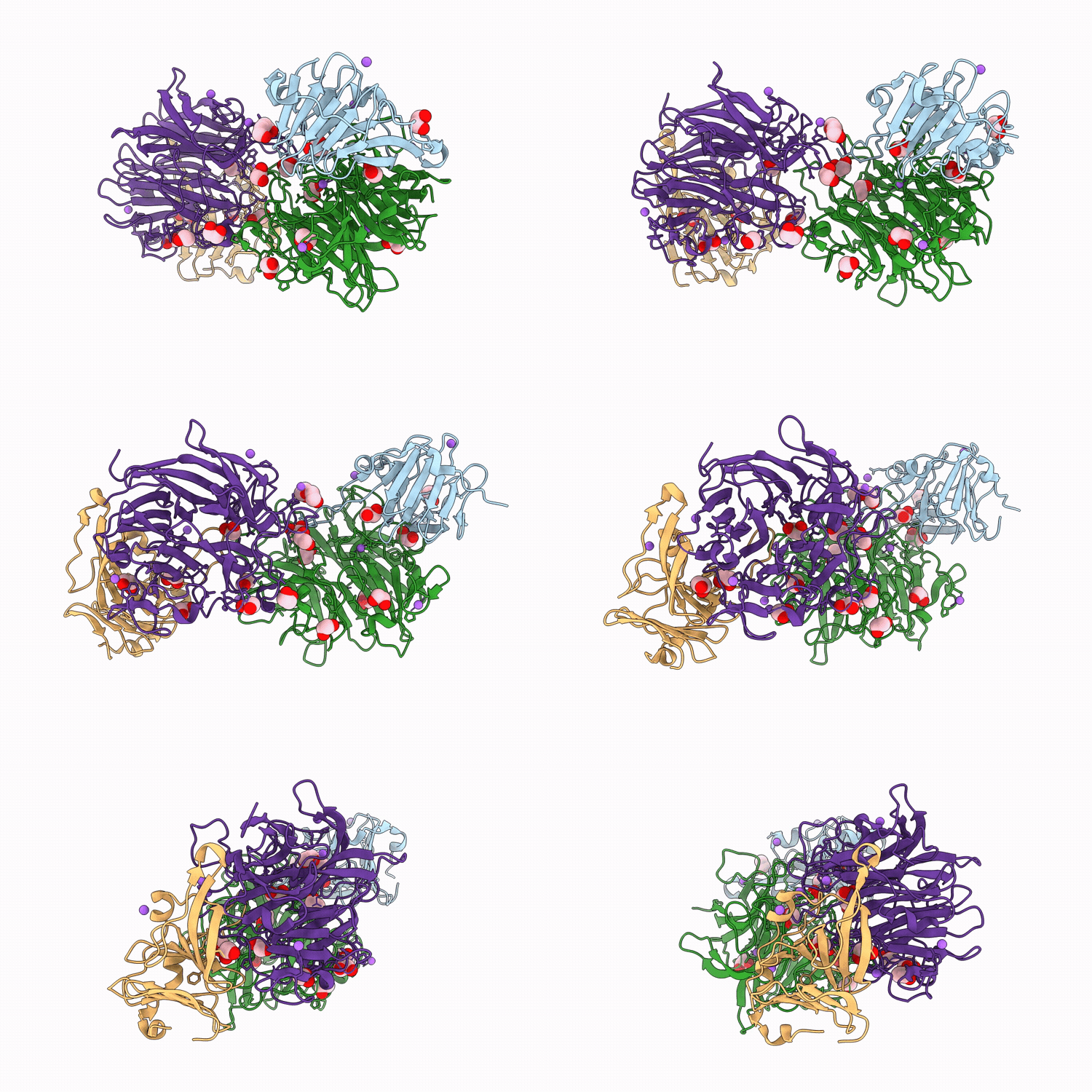
9MYT image
Deposition Date 2025-01-22
Release Date 2026-06-24
Last Version Date 2026-08-19
Entry Detail
PDB ID:
9MYT
Keywords:
Title:
EatA-EatI complex from Mycobacterium abscessus
Biological Source:
Expression System(s):
Method Details:
Experimental Method:
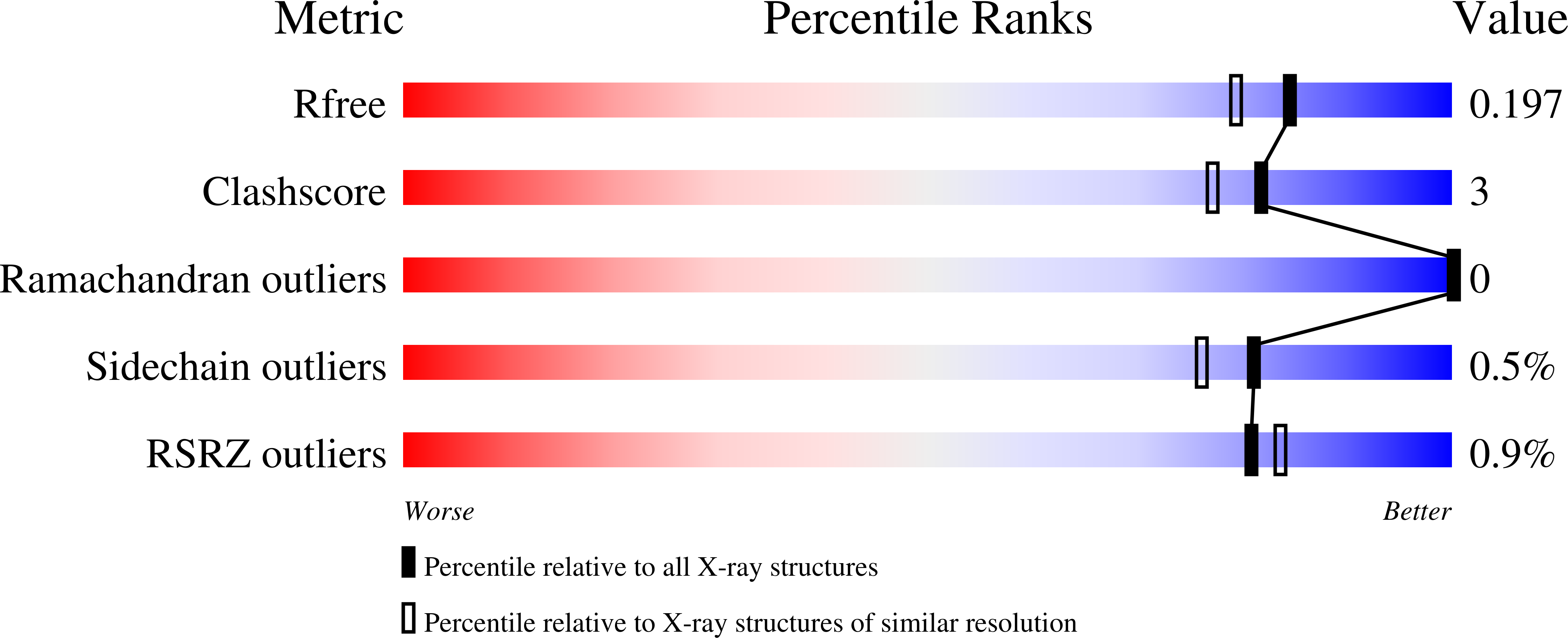
Resolution:
1.70 Å
R-Value Free:
0.19
R-Value Work:
0.16
R-Value Observed:
0.16
Space Group:
P 1 21 1
Macromolecular Entities
Structural Superimposition Protein Blast
Polymer Type:polypeptide(L)
Molecule:EatI
Chain IDs:A, C
Chain Length:159
Number of Molecules:2
Biological Source:Mycobacteroides abscessus subsp. massiliense
Polymer Type:polypeptide(L)
Molecule:EatA
Chain IDs:B, D
Chain Length:355
Number of Molecules:2
Biological Source:Mycobacteroides abscessus subsp. massiliense
Primary Citation

Abstact

Most bacteria have evolved mechanisms to compete with other bacteria, often through the specialised secretion of proteinaceous toxins. However, mycobacteria have not previously been reported to engage in this form of competition. The thick and unusual mycobacterial cell wall, comprised of peptidoglycan, arabinogalactan and mycolic acids, is generally thought to be highly protective to these bacteria. Here, we show that some mycobacteria can use endo-D-arabinanases of the GH183 family for inter-bacterial competition. These microorganisms secrete an endo-D-arabinanase effector via the type VII secretion system (T7SS) that cleaves the arabinogalactan layer of the mycobacterial cell envelope. We describe the molecular basis for this activity using structural biology and biochemistry, and identify a protein family that protects the bacterium from the activity of this toxin. The widespread presence of genes potentially encoding similar T7SS-secreted toxins in the Mycobacteriales suggests extensive inter-mycobacterial competition.

Legend

Protein

Chemical

Disease

Primary Citation of related structures
Feedback Form
Name
Email
Institute
Feedback