

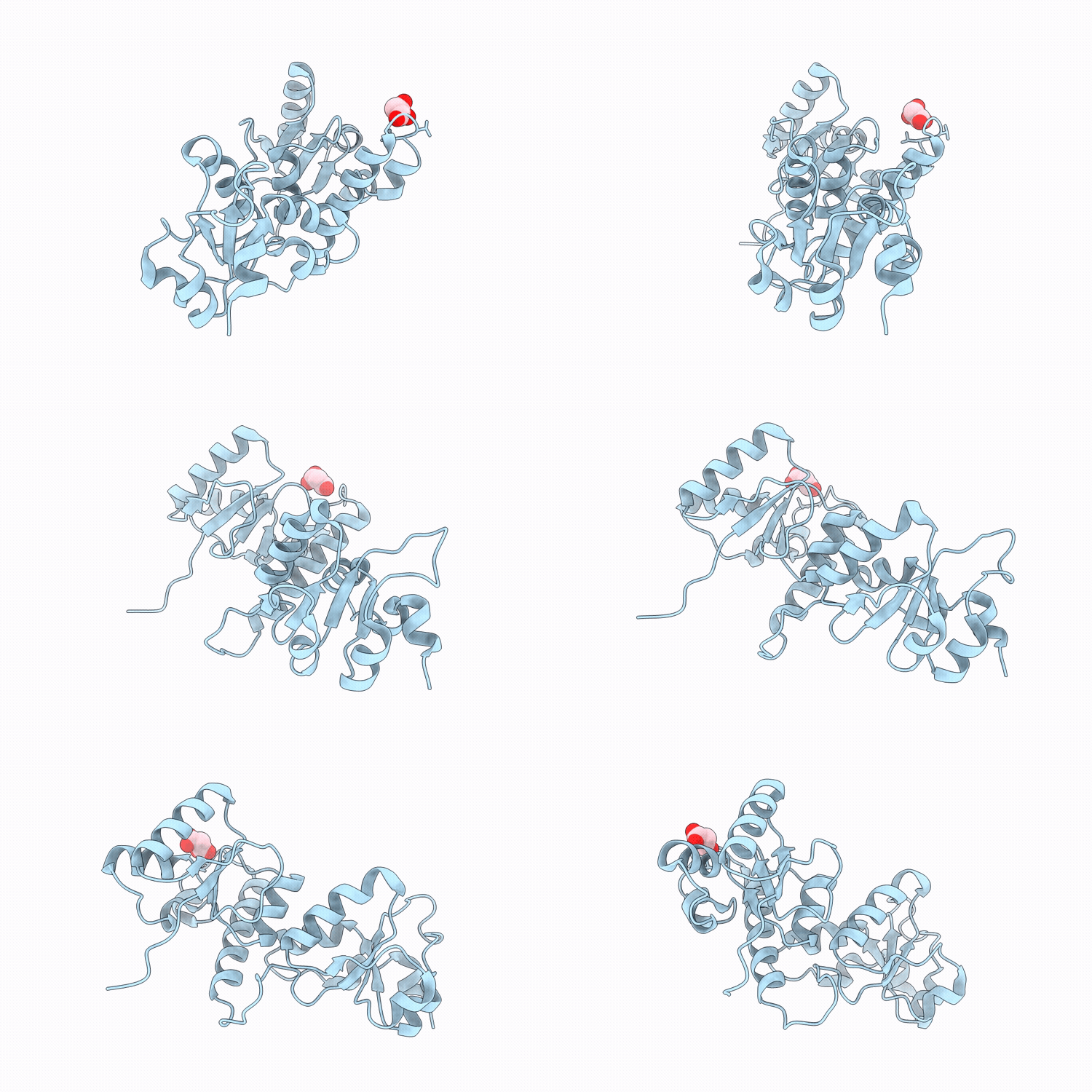
9MAT image
Deposition Date 2025-03-14
Release Date 2026-03-18
Last Version Date 2026-09-30
Entry Detail
PDB ID:
9MAT
Keywords:
Title:
TopBP1 BRCT 7-8 Domain
Biological Source:
Source Organism(s):
Homo sapiens (Taxon ID: 9606)
Expression System(s):
Method Details:
Experimental Method:
Resolution:
1.65 Å
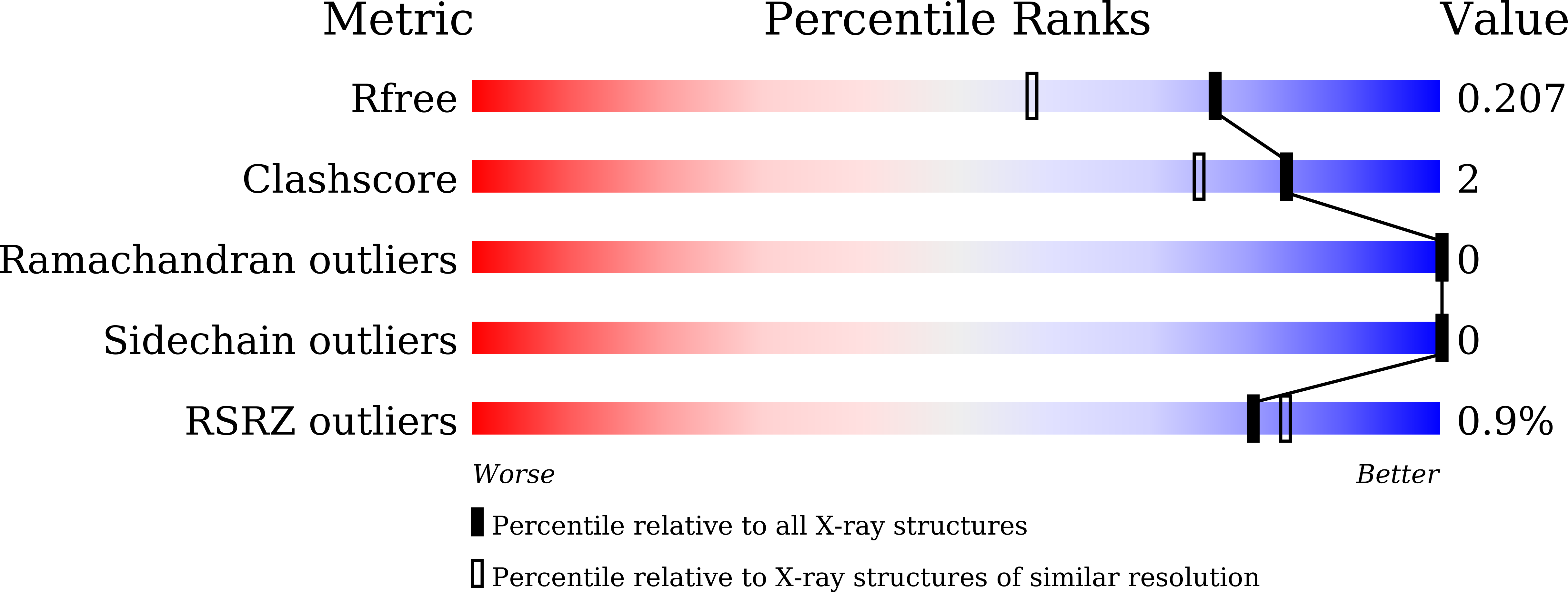
R-Value Free:
0.20
R-Value Work:
0.15
R-Value Observed:
0.16
Space Group:
P 1 21 1
Macromolecular Entities
Polymer Type:polypeptide(L)
Molecule:DNA topoisomerase 2-binding p
Gene (Uniprot):TOPBP1
Chain IDs:A
Chain Length:233
Number of Molecules:1
Biological Source:Homo sapiens
Ligand Molecules
Primary Citation
Fragment-based discovery of TopBP1 inhibitors integrated with AI-driven molecular docking.
Magn Reson Lett 6 200251 200251 (2026)
PMID: 42221021 DOI: 10.1016/j.mrl.2025.200251

Abstact

DNA topoisomerase IIbeta-binding protein 1 (TopBP1) converges on multiple oncogenic pathways, e.g., Rb, p53, and PI3K/Akt, which are hallmarks of most cancer progression. However, the lack of structural studies makes the underlying mechanism of action of TopBP1 inhibitors promiscuous. Herein, we employ a fragment-based screening approach to identify four small-molecule ligands against the TopBP1 BRCT7-8 domain: adamantane acetic acid (ADA), zaltoprofen, diclofenac sodium, and quinine. The dissociation constants of these compounds are determined by nuclear magnetic resonance (NMR) chemical shift perturbations, which suggests the former three hits bind to the same site, while quinine binds to a distinct site. The binding models of these four hits are further predicted by the deep learning model Chai-1. The complex crystal structure of the TopBP1 BRCT7-8 domain demonstrates ADA as an orthosteric inhibitor of TopBP1, as further validated by its binding to TopBP1 in competition with the native substrate BACH1. Our NMR screening nominates orthosteric inhibitors, as well as quinine, a potential allosteric inhibitor. It shall also facilitate following structure-based design of more potent allosteric and orthosteric inhibitors of TopBP1.

Legend

Protein

Chemical

Disease

Primary Citation of related structures
Feedback Form
Name
Email
Institute
Feedback