

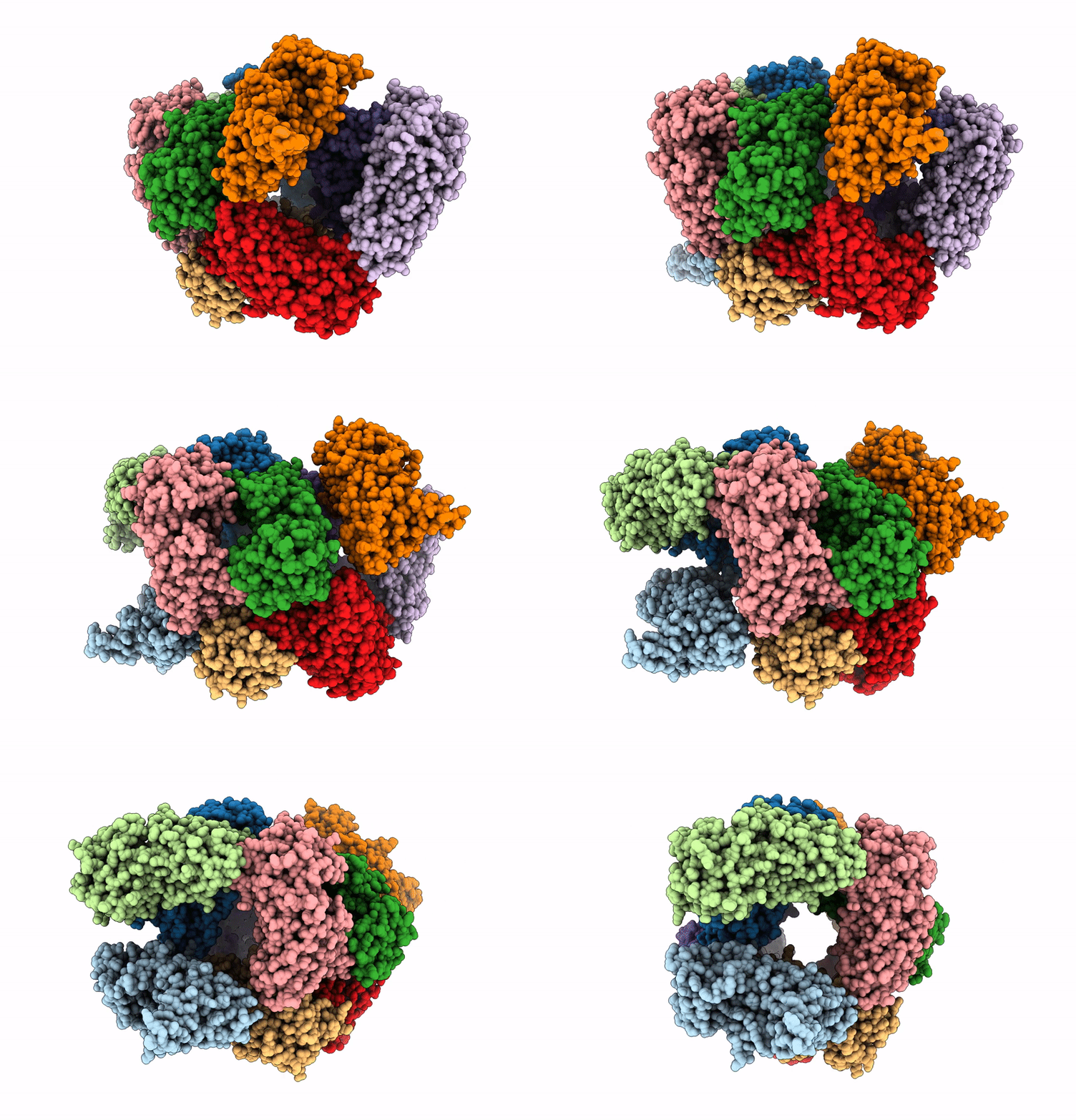
9JP0 image
Deposition Date 2024-09-25
Release Date 2025-07-16
Last Version Date 2026-10-28
Entry Detail
PDB ID:
9JP0
Keywords:
Title:
the wild-type human PRMT1 filament
Biological Source:
Source Organism(s):
Homo sapiens (Taxon ID: 9606)
Expression System(s):
Method Details:
Experimental Method:
Resolution:
3.68 Å
Aggregation State:
PARTICLE
Reconstruction Method:
SINGLE PARTICLE
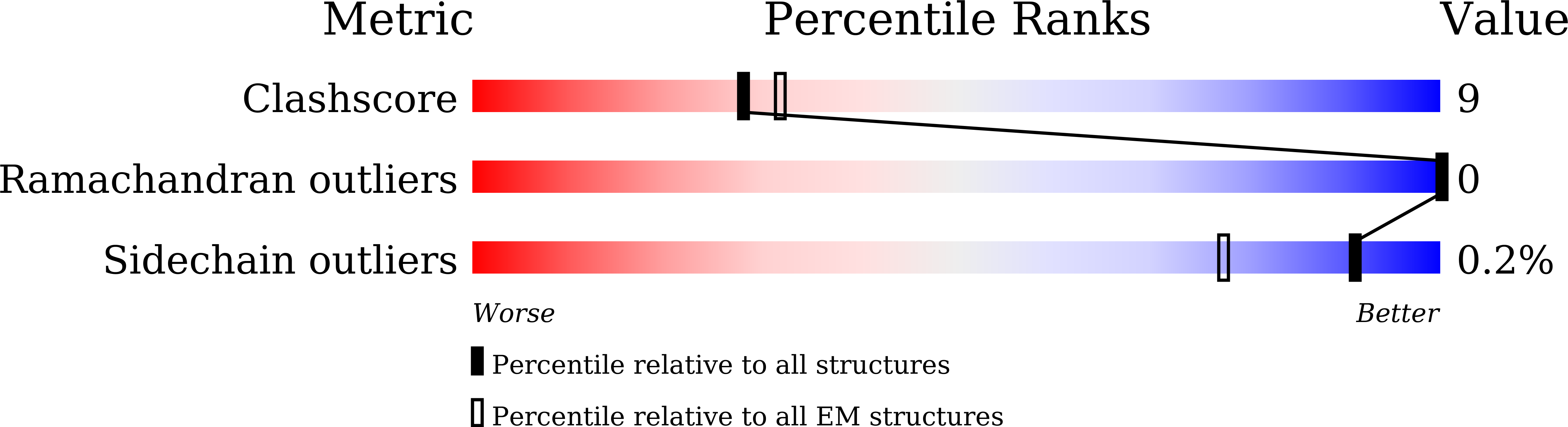
Macromolecular Entities
Polymer Type:polypeptide(L)
Molecule:Protein arginine N-methyltran
Gene (Uniprot):PRMT1
Chain IDs:A (auth: E), B, C, D (auth: F), E (auth: G), F (auth: H), G (auth: D), H (auth: A), I, J
Chain Length:371
Number of Molecules:10
Biological Source:Homo sapiens
Ligand Molecules
Primary Citation
PRMT1 oligomerization regulates RNA-binding protein cascade to promote pancreatic cancer.
Life Sci Alliance 8 ? ? (2025)
PMID: 40675804 DOI: 10.26508/lsa.202503202

Abstact

PRMT1 is the predominant type I protein arginine methyltransferase responsible for generating monomethylarginine and asymmetric dimethylarginine (MMA and ADMA) in various protein substrates. It regulates numerous biological processes, including RNA metabolism, mRNA splicing, DNA damage repair, and chromatin dynamics. The crystal structure of rat PRMT1 has been previously reported as a homodimer; however, higher-order oligomeric species of human PRMT1 have been observed in vivo, and their structural basis remains elusive. In this study, we present the cryo-EM structure of human PRMT1 in its oligomeric form, revealing novel interfaces crucial for PRMT1 self-assembly and normal function. PRMT1 shows a strong preference for intrinsically disordered RGG/RG motifs, which are commonly found in RNA-binding proteins, highlighting its critical role in regulating RNA metabolism. In vitro studies indicate that disrupting PRMT1 oligomerization impairs its binding affinity for RGG motif substrates, thereby reducing arginine methylation levels on these substrates. This finding emphasizes the essential role of the oligomeric state of PRMT1 in its function with RGG motif-containing RNA-binding proteins. In vivo, the loss of PRMT1 oligomerization leads to decreased global ADMA levels in pancreatic ductal adenocarcinoma (PDAC) cells and inhibits PDAC tumor growth. Collectively, we propose that PRMT1 oligomerization, rather than mere dimerization, is sufficient for PRMT1-driven PDAC tumor growth, offering novel insights into the potential therapeutic targeting of PRMT1 oligomeric forms in PDAC.

Legend

Protein

Chemical

Disease

Primary Citation of related structures
Feedback Form
Name
Email
Institute
Feedback