

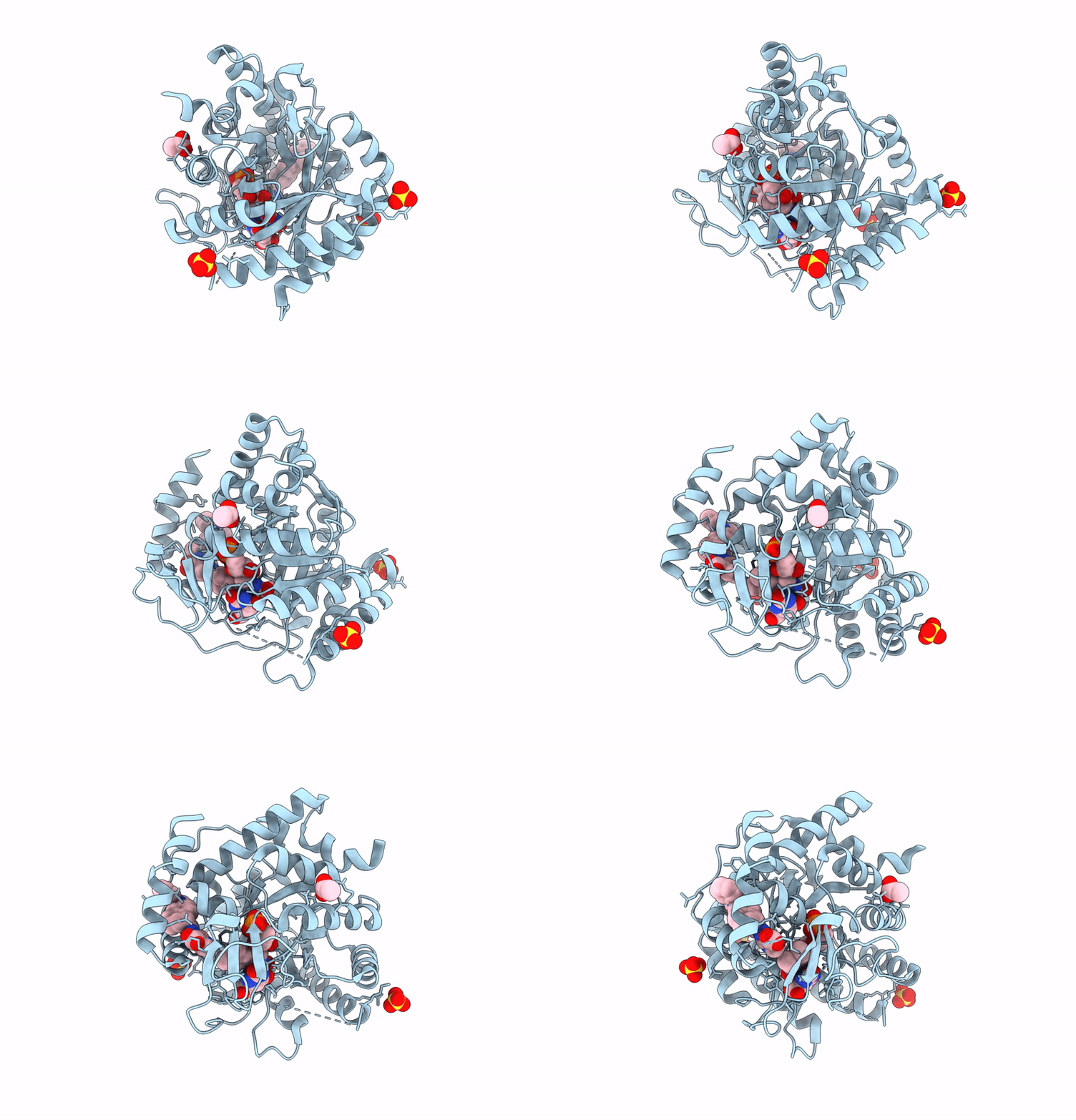
9I2Y image
Deposition Date 2025-01-22
Release Date 2025-03-05
Last Version Date 2026-10-21
Entry Detail
PDB ID:
9I2Y
Keywords:
Title:
Human DHODH in Complex with QC6352
Biological Source:
Source Organism(s):
Homo sapiens (Taxon ID: 9606)
Expression System(s):
Method Details:
Experimental Method:
Resolution:
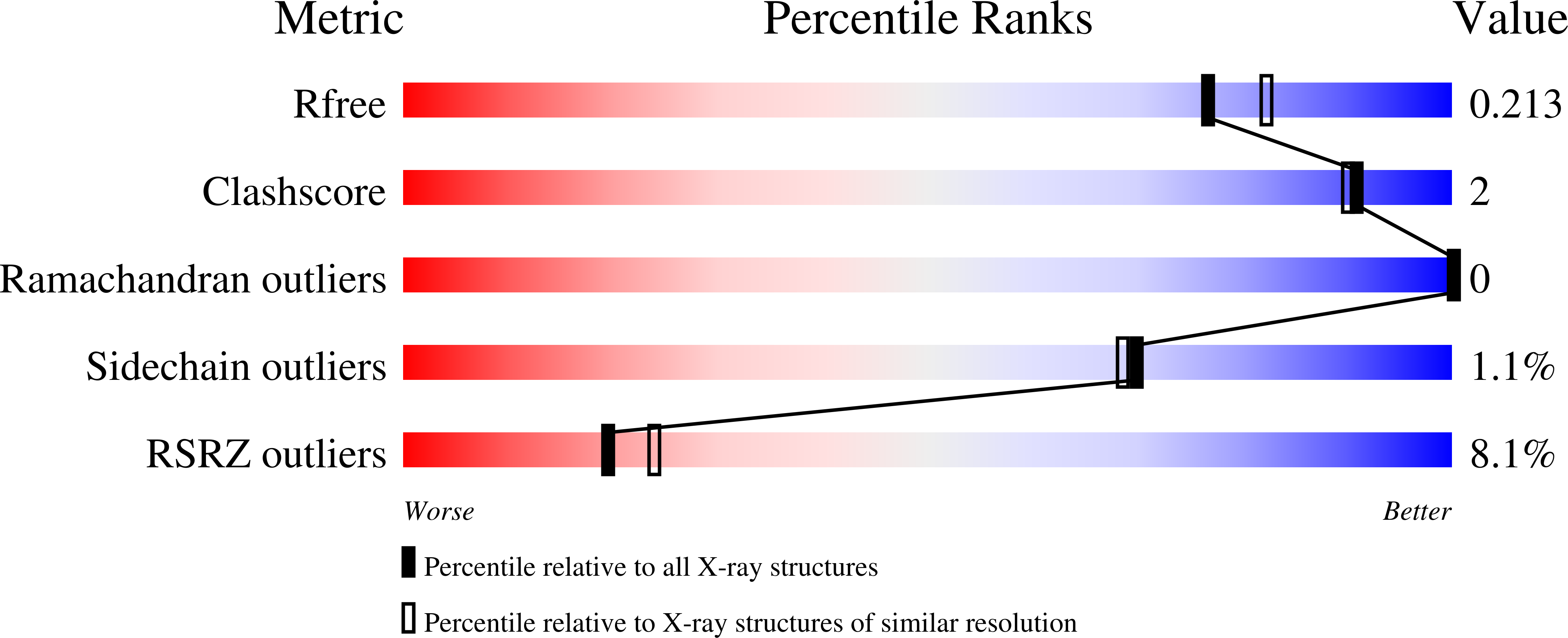
1.95 Å
R-Value Free:
0.19
R-Value Work:
0.17
R-Value Observed:
0.17
Space Group:
P 32 2 1
Macromolecular Entities
Polymer Type:polypeptide(L)
Molecule:Dihydroorotate dehydrogenase
Gene (Uniprot):DHODH
Chain IDs:A
Chain Length:367
Number of Molecules:1
Biological Source:Homo sapiens
Primary Citation

Abstact

Histone lysine demethylase 4 (KDM4) enzymes are frequently overexpressed in cancer and are considered to be promising therapeutic targets. QC6352, which is widely used as a best-in-class KDM4 chemical probe, shows potent antitumor activity across cancer models. Using comprehensive chemical biology approaches in glioblastoma models, we demonstrate that the efficacy of QC6352 and that of its clinical analog zavondemstat are independent of KDM4 inhibition. Instead, we identify dihydroorotate dehydrogenase (DHODH), a key enzyme in de novo pyrimidine biosynthesis, as the functional target driving their antiproliferative activity. Uridine supplementation and expression of an inhibitor-resistant DHODH mutant fully abrogate growth inhibition, whereas the orthogonal KDM4 inhibitor ML324, which lacks DHODH inhibition, fails to phenocopy QC6352. These findings establish QC6352 and zavondemstat as dual KDM4-DHODH inhibitors and identify DHODH inhibition as the dominant driver of their antiglioblastoma efficacy, as well as demonstrating the need for orthogonal chemical probes to accurately define drug mechanisms in cells.

Legend

Protein

Chemical

Disease

Primary Citation of related structures
Feedback Form
Name
Email
Institute
Feedback