

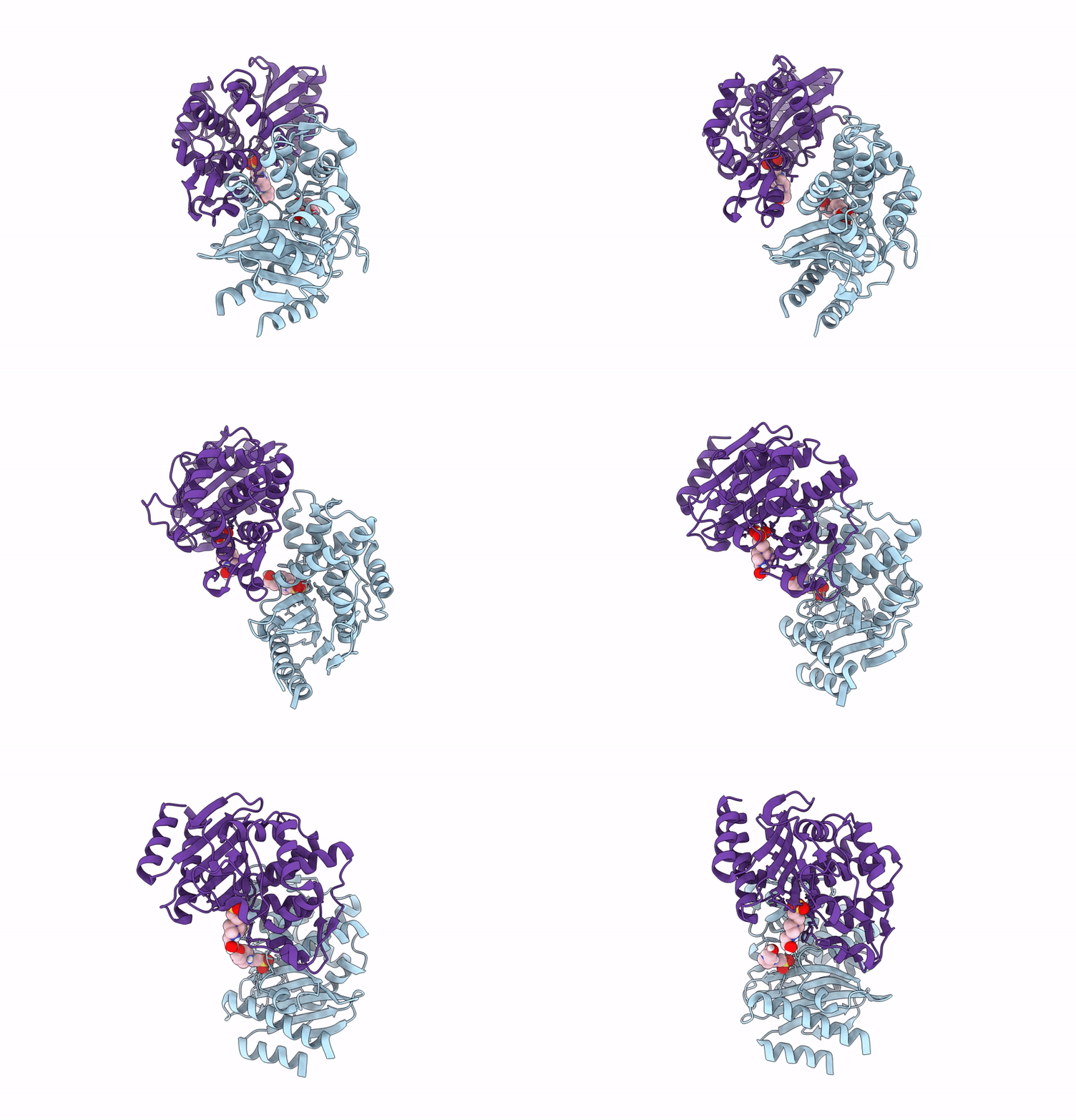
9ENW image
Deposition Date 2024-03-13
Release Date 2025-03-26
Last Version Date 2026-10-28
Entry Detail
PDB ID:
9ENW
Title:
Apo GES-1 beta-Lactamase
Biological Source:
Source Organism(s):
Expression System(s):
Method Details:
Experimental Method:
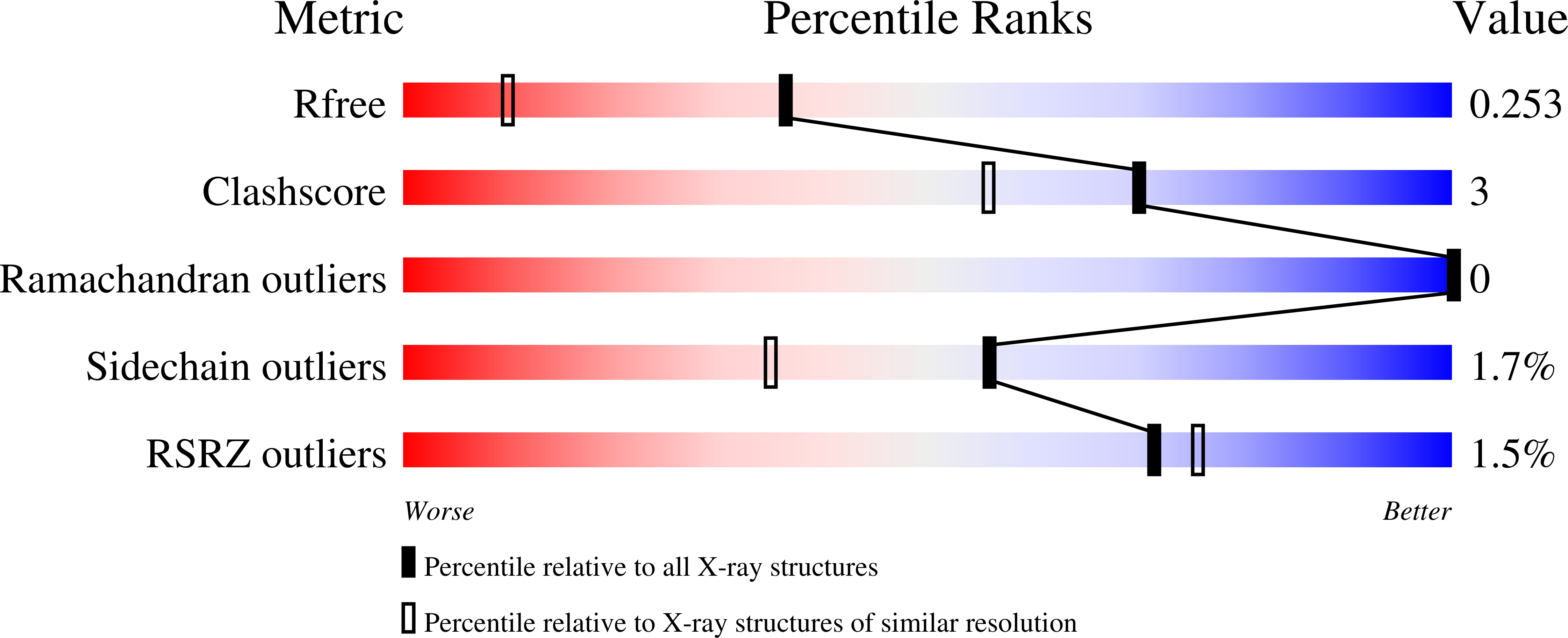
Resolution:
1.66 Å
R-Value Free:
0.25
R-Value Work:
0.20
R-Value Observed:
0.20
Space Group:
P 1 21 1
Macromolecular Entities
Polymer Type:polypeptide(L)
Molecule:beta-lactamase
Chain IDs:A, B
Chain Length:289
Number of Molecules:2
Biological Source:Klebsiella pneumoniae
Ligand Molecules
Primary Citation
Mechanistic basis for inhibition of the extended-spectrum beta-lactamase GES-1 by enmetazobactam and tazobactam.
Febs Lett. 599 3284 3300 (2025)
PMID: 40944392 DOI: 10.1002/1873-3468.70155

Abstact

beta-Lactamase-catalysed hydrolysis is the primary form of beta-lactam antibiotic resistance in Gram-negative bacteria. The penicillanic acid sulfone (PAS) enmetazobactam is thought to inhibit extended-spectrum beta-lactamases (ESBLs) by fragmentation of an initial acyl-enzyme to form an active-site lysinoalanine cross link. We investigate interactions of enmetazobactam and its congener tazobactam with GES-1, an ESBL with structural features of carbapenem-hydrolysing beta-lactamases. Crystal structures show different breakdown products of the two inhibitors covalently bound to the catalytic Ser70, assigned using quantum mechanics/molecular mechanics (QM/MM) calculations. We find no evidence for lysinoalanine formation, with mass spectrometry indicating active enzyme regeneration, behaviour previously observed for carbapenem-hydrolysing enzymes, but not ESBLs. This work establishes that PAS inhibitors interact with diverse beta-lactamases by differing mechanisms, which should inform development of future compounds.

Legend

Protein

Chemical

Disease

Primary Citation of related structures
Feedback Form
Name
Email
Institute
Feedback