

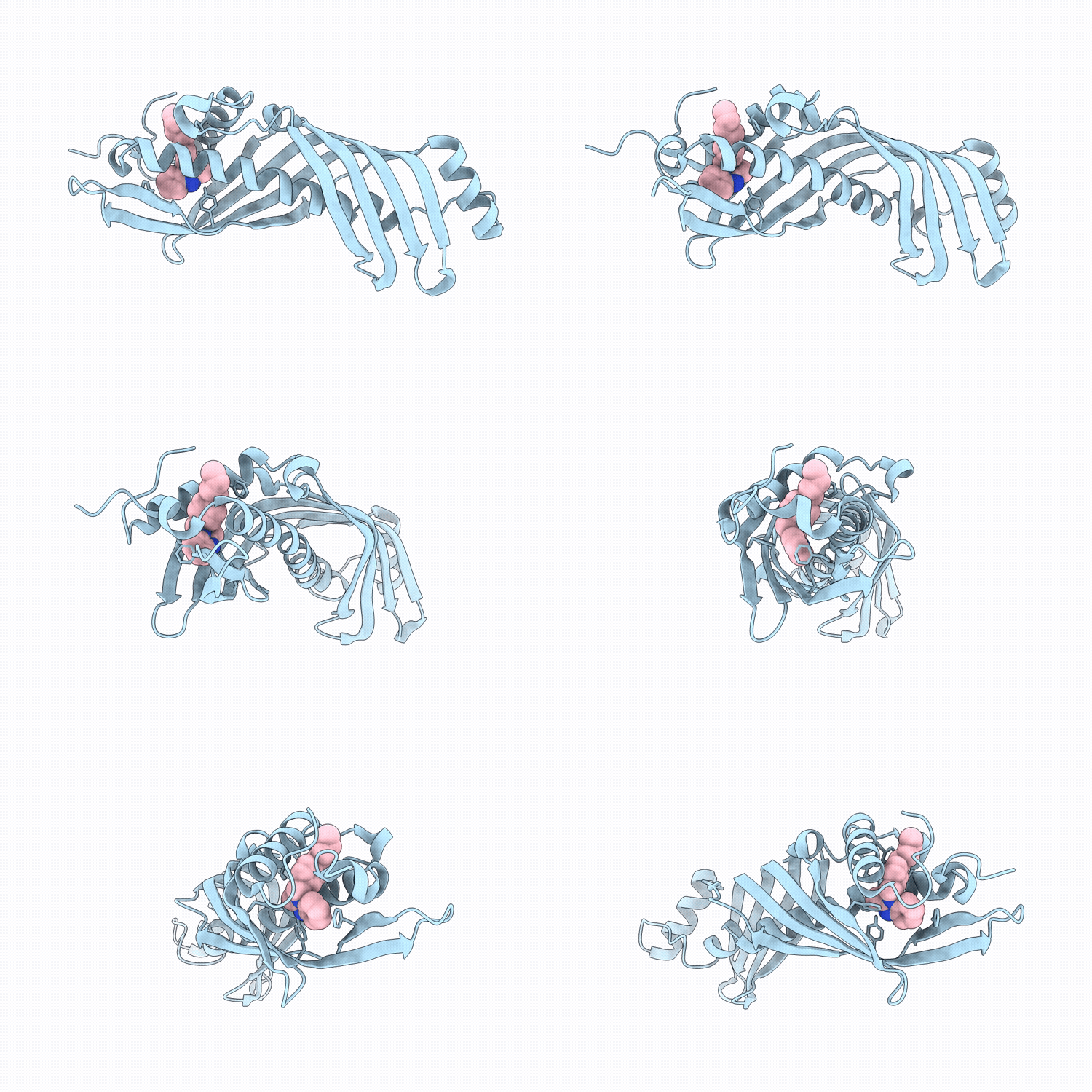
27GZ image
Deposition Date 2026-06-01
Release Date 2026-07-15
Last Version Date 2026-07-15
Entry Detail
PDB ID:
27GZ
Title:
Juvenile hormone binding protein complexed with 2-Methyl-1-(4-butylbenzyl)-benzimidazole
Biological Source:
Source Organism(s):
Bombyx mori (Taxon ID: 7091)
Expression System(s):
Method Details:
Experimental Method:
Resolution:
2.40 Å
R-Value Free:
0.28
R-Value Work:
0.23
Space Group:
P 63 2 2
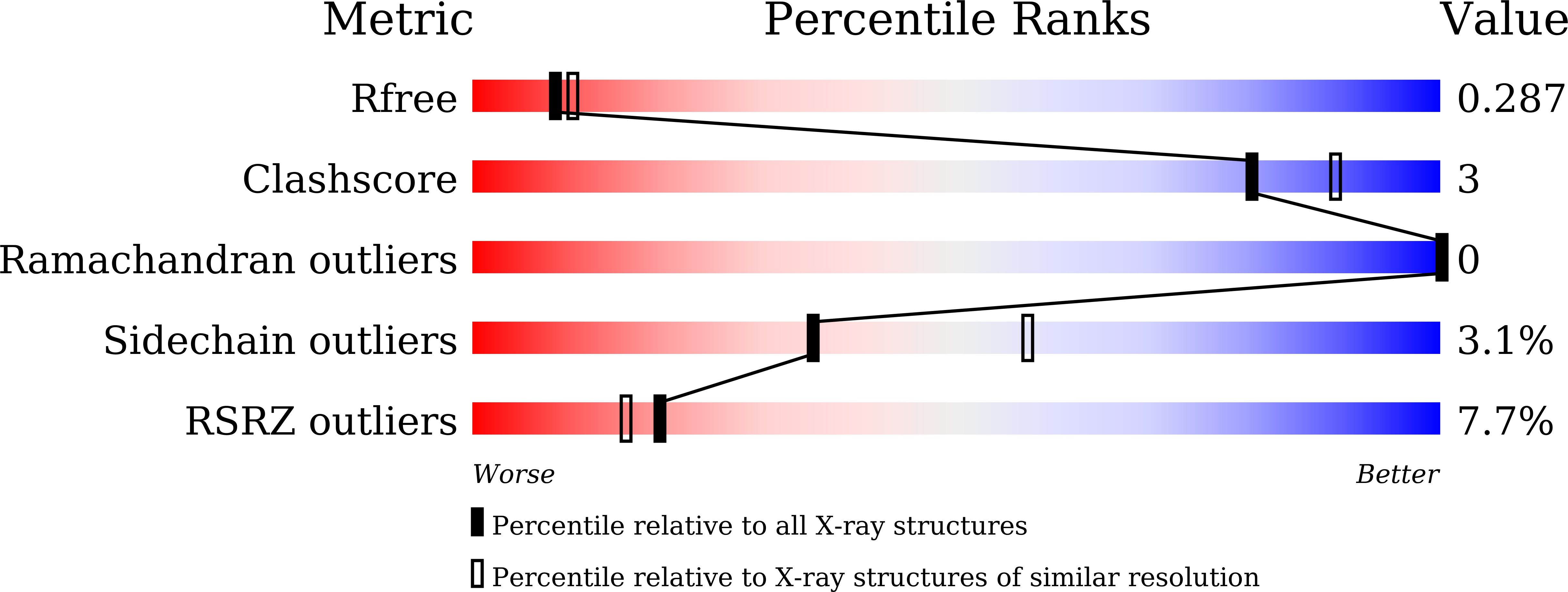
Macromolecular Entities
Polymer Type:polypeptide(L)
Molecule:Hemolymph juvenile hormone bi
Gene (Uniprot):hJHBP
Chain IDs:A
Chain Length:227
Number of Molecules:1
Biological Source:Bombyx mori
Ligand Molecules
Primary Citation
Structural Characteristics for the Interaction of 1-Benzyl-2-Methylbenzimidazoles as Insect Growth Regulators and Juvenile Hormone Binding Protein.
Insects 17 ? ? (2026)
PMID: 42355390 DOI: 10.3390/insects17060657

Abstact

The authors previously reported that 2-methylbenzimidazole derivatives (MBIs) exhibit insect growth-regulating activity against the silkworm, Bombyx mori. However, despite their unique effects on juvenile hormone (JH)-related endocrine pathways, the precise mode of action of MBIs remained unclear. In the present study, the interactions between MBIs and the lepidopteran hemolymph JH-binding protein (JHBP), a key regulator of JH transport and activity, were investigated using multiple approaches, including in vitro binding affinity assays, X-ray crystallography, and molecular docking simulations. A series of MBIs bearing a 1-(4-alkoxybenzyl) group, which exhibited potent insect growth-regulating activity, showed high binding affinity and structural compatibility with the JH-binding pocket of JHBP. In contrast, 1-(4-alkylbenzyl) MBIs, which displayed weak or negligible insect growth-regulating activity, exhibited low affinity for JHBP. These findings suggest that the insect growth-regulating activity of MBIs is mediated through inhibition of JHBP function, likely by disrupting the precise regulation of JH concentration in the hemolymph during larval development and pupal metamorphosis.

Legend

Protein

Chemical

Disease

Primary Citation of related structures
Feedback Form
Name
Email
Institute
Feedback