

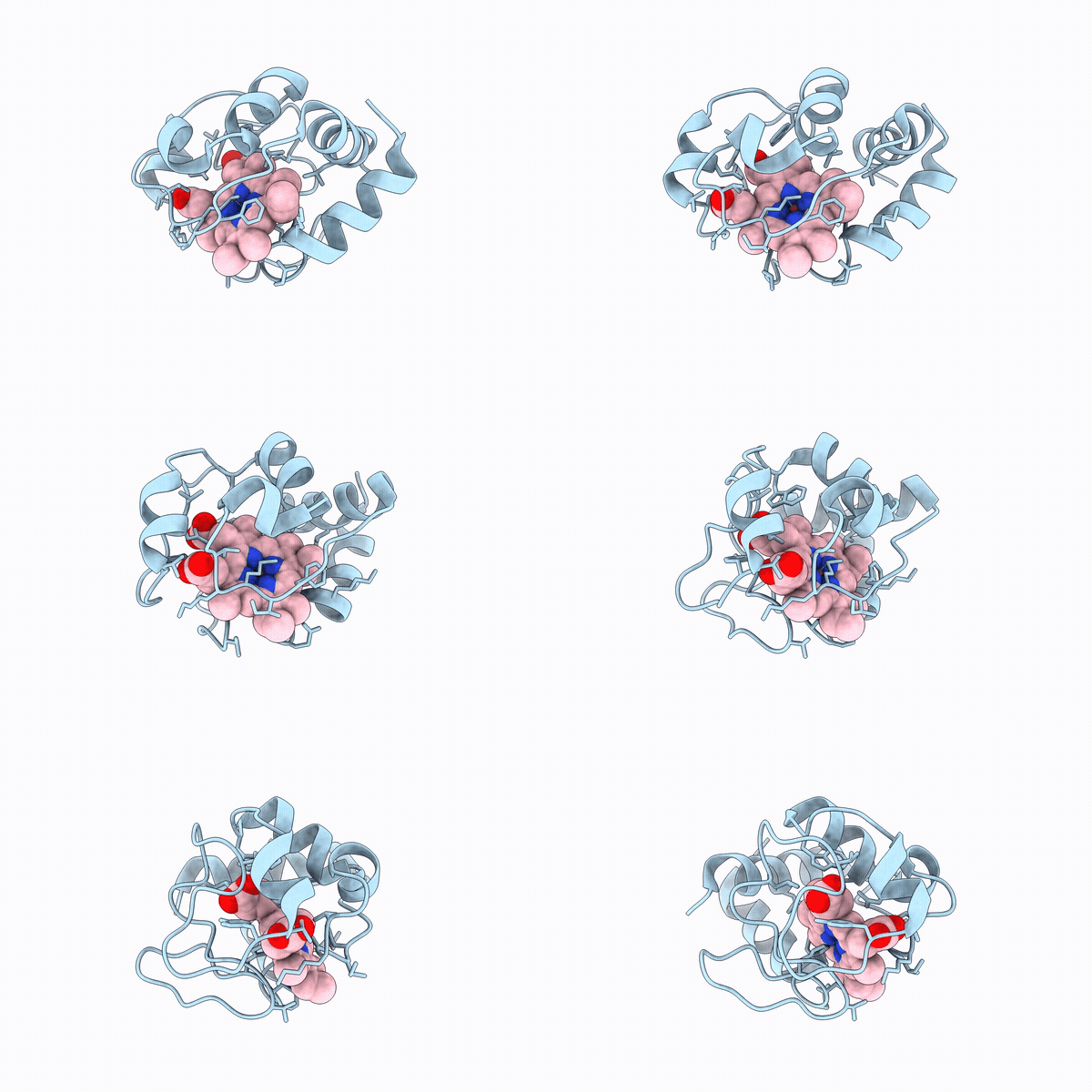
24OQ image
Deposition Date 2026-03-13
Release Date 2026-10-28
Last Version Date 2026-10-28
Entry Detail
PDB ID:
24OQ
Title:
Somatic cytochrome c from Buergeria japonica frog
Biological Source:
Source Organism(s):
Expression System(s):
Method Details:
Experimental Method:
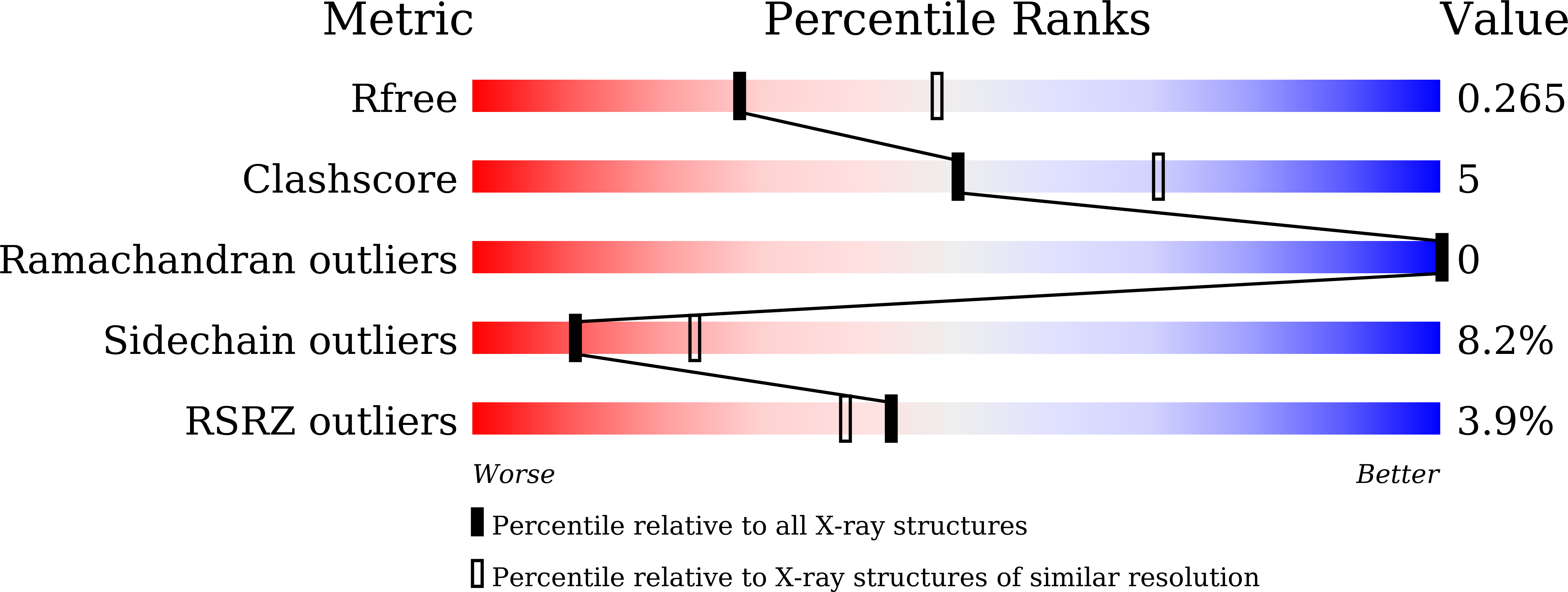
Resolution:
2.49 Å
R-Value Free:
0.27
R-Value Work:
0.21
R-Value Observed:
0.21
Space Group:
P 43 21 2
Macromolecular Entities
Structural Superimposition Protein Blast
Polymer Type:polypeptide(L)
Molecule:Cytochrome c
Chain IDs:A
Chain Length:102
Number of Molecules:1
Biological Source:Buergeria japonica
Ligand Molecules
Primary Citation
Ancient nuclear genome duplication events in vertebrates facilitated the functional diversification of ohnologous cytochrome c: insights from Buergeria frogs.
Mol.Biol.Evol. 43 ? ? (2026)
PMID: 42786798 DOI: 10.1093/molbev/msag243

Abstact

In vertebrates, a nuclear gene encoding mitochondrial cytochrome c (CYC) was duplicated and diverged into one with ubiquitous expression (somatic-type) and the other with testis-preferred expression (testis-type). In this study, synteny-based phylogenetic analyses suggest that cyc ohnologs originated through whole-genome duplication events in the common ancestor of vertebrates and have been conserved for approximately 450 to 540 million years. Molecular evolutionary analyses revealed pervasive purifying selection and an approximate Phe/Tyr dichotomy at position 46 between somatic- and testis-type CYC proteins. This was the case in 2 closely related amphibians, Buergeria buergeri and its hot-spring-dwelling species, Buergeria japonica. The recombinant testis-type CYC proteins from B. buergeri (Bb-CYCT) and B. japonica (Bj-CYCT) exhibited significantly higher resistance to hydrogen peroxide (H2O2) than somatic-type counterpart proteins (Bb-CYCS and Bj-CYCS). Structural analysis showed that the Tyr-46 residues in the testis-type CYC proteins face the heme, suggesting a protective role against H2O2 through oxidation of its hydroxyl group compared to the spatially corresponding Phe-46 residue in the somatic-type counterparts. When the Tyr-46 residue in Bj-CYCT was replaced with the Phe residue, the H2O2 resistance was significantly reduced, confirming the functional importance of Tyr-46. These results demonstrate that functional divergence between somatic- and testis-type Buergeria CYC proteins is at least partly attributable to the Phe-to-Tyr substitution, suggesting that ancient nuclear genome duplication contributed to tissue-specific divergence of mitochondrial function.

Legend

Protein

Chemical

Disease

Primary Citation of related structures
Feedback Form
Name
Email
Institute
Feedback