

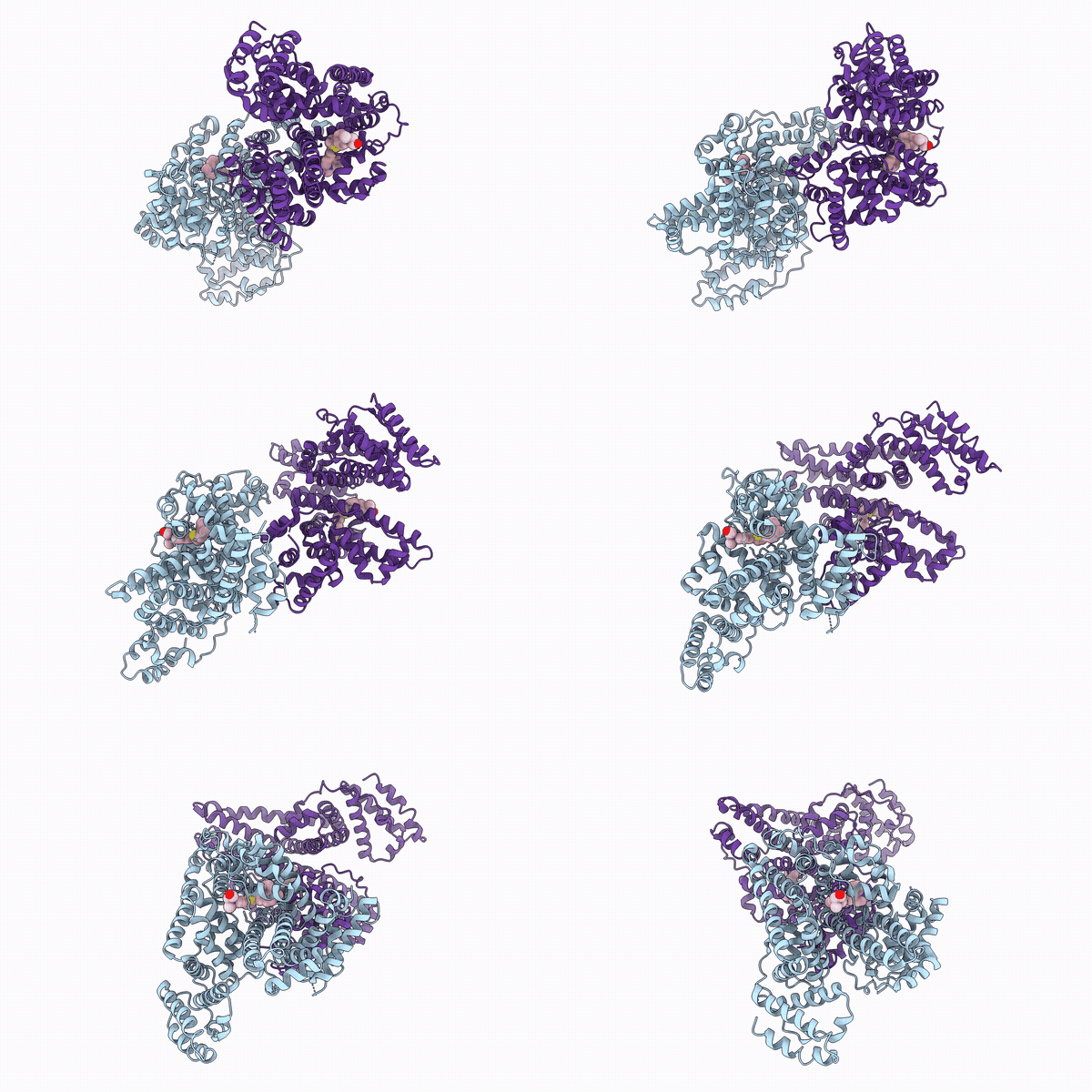
22CD image
Deposition Date 2026-01-06
Release Date 2026-10-28
Last Version Date 2026-10-28
Entry Detail
PDB ID:
22CD
Title:
Crystal structure of HSA in complex with ThiQu
Biological Source:
Source Organism(s):
Homo sapiens (Taxon ID: 9606)
Expression System(s):
Method Details:
Experimental Method:
Resolution:
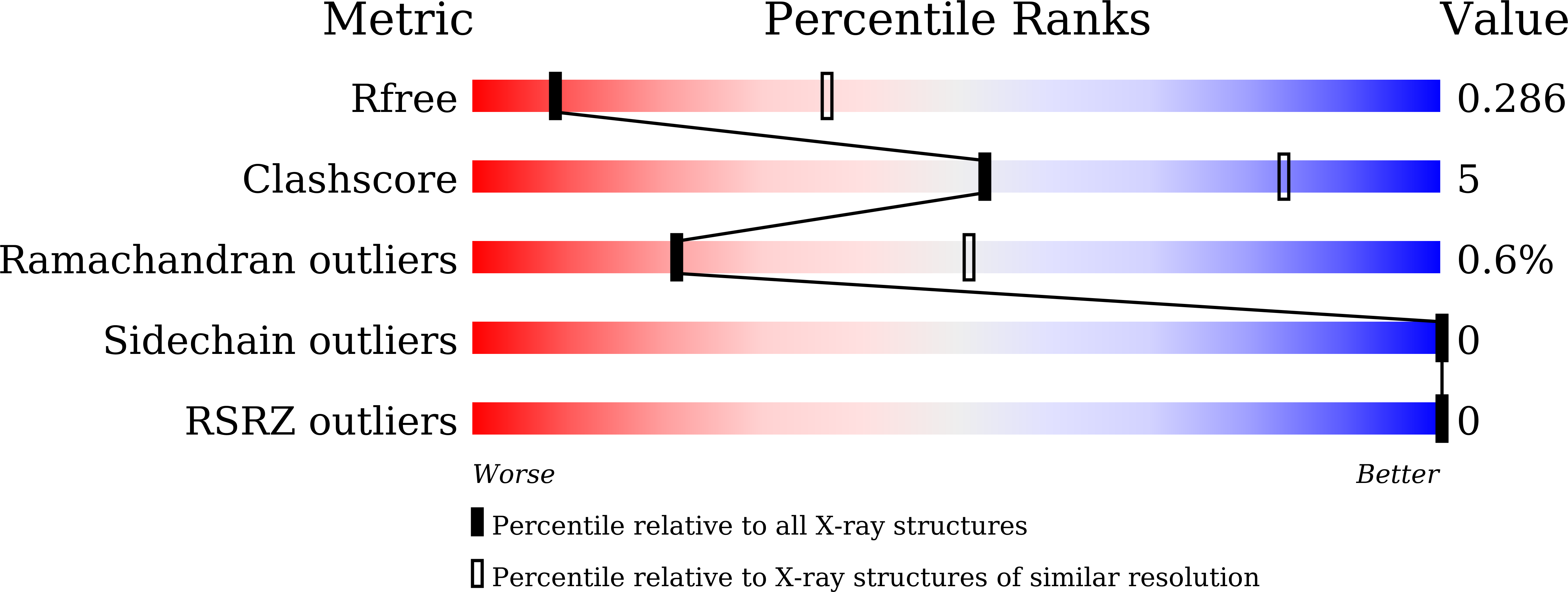
3.25 Å
R-Value Free:
0.28
R-Value Work:
0.21
R-Value Observed:
0.21
Space Group:
P 1
Macromolecular Entities
Polymer Type:polypeptide(L)
Molecule:Albumin
Gene (Uniprot):ALB
Chain IDs:A, B
Chain Length:585
Number of Molecules:2
Biological Source:Homo sapiens
Ligand Molecules
Primary Citation
Albumin Orchestrates Type-I ROS Conversion for Efficient Intracellular Bacterial Clearance.
Adv Mater ? e75340 e75340 (2026)
PMID: 42860758 DOI: 10.1002/adma.75340

Abstact

Type-I photosensitization addresses the dilemma of intracellular bacterial hypoxia-induced photodynamic therapeutic (PDT) inefficacy, yet precise targeting and eradicating sequestered pathogens remains a formidable challenge. Herein, we engineer an albumin-based photodynamic conversion nanoparticles integrating target-specific recognition with controlled antibacterial functions to precisely eliminate intracellular pathogens and restore infected cell activity. Mechanistic studies reveal a vertically-crossed conformation that promotes intramolecular electron transfer and charge separation, redirecting photosensitizer (PS) reactivity toward type-I reactive oxygen species (ROS) generation. Electron-rich albumin further enhances cationic PS(+*) recycling, photostability, and O(2) (-*) production, while its selective cytoplasmic delivery via receptor/charge interactions enables preferential accumulation in intracellular bacteria, with reduced off-target organelle engagement. We demonstrate application in S. aureus-infected sepsis showing high type-I ROS levels for antibacterial function from the nanoparticles to restore redox and immune homeostasis without noticeable toxicity. This work pioneers a conformationally-gated ROS conversion approach for eliminating intracellular bacterial infections, merging mechanistic precision with therapeutic potential for clinical sepsis management.

Legend

Protein

Chemical

Disease

Primary Citation of related structures
Feedback Form
Name
Email
Institute
Feedback