

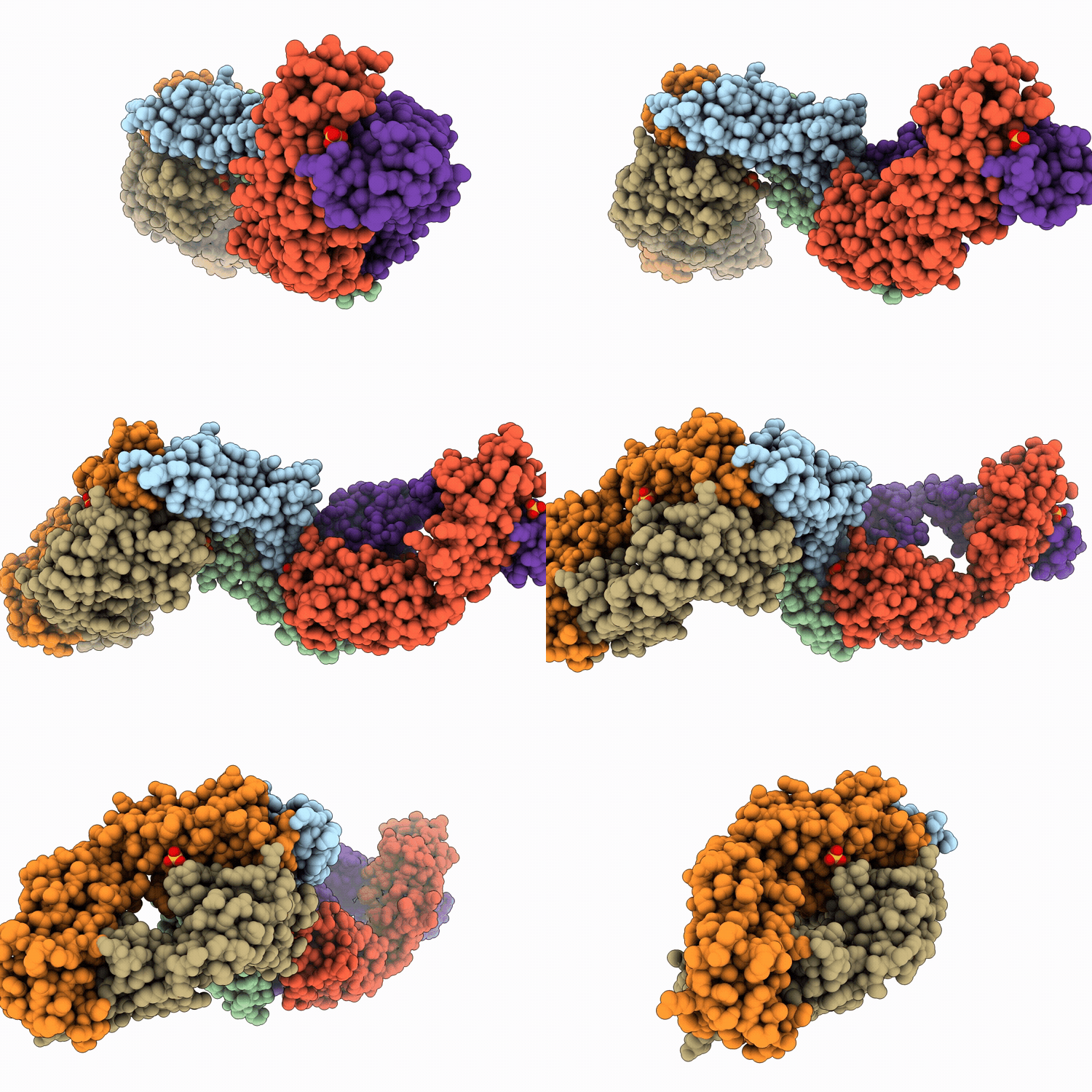
13FJ image
Deposition Date 2026-05-04
Release Date 2026-06-17
Last Version Date 2026-09-23
Entry Detail
PDB ID:
13FJ
Keywords:
Title:
TGFB1 IN COMPLEX WITH NIS793 FAB
Biological Source:
Source Organism(s):
Homo sapiens (Taxon ID: 9606)
Expression System(s):
Method Details:
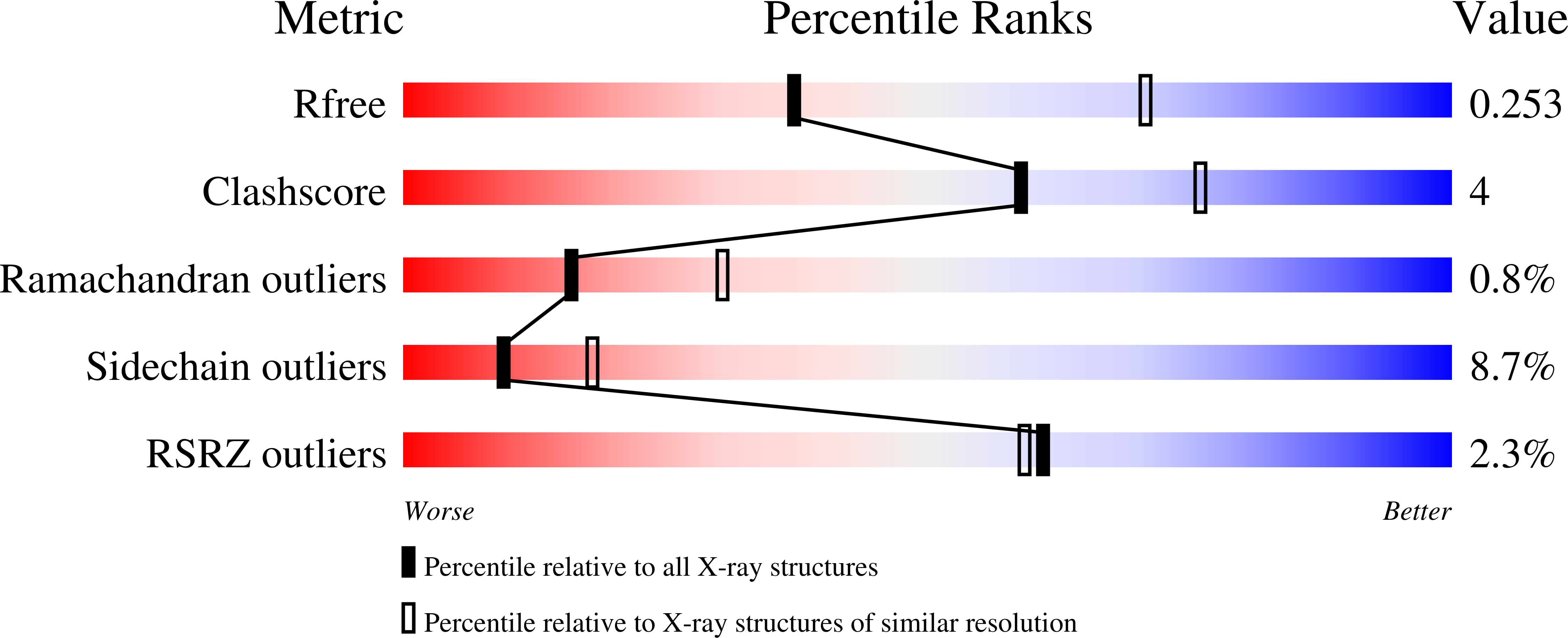
Experimental Method:
Resolution:
2.75 Å
R-Value Free:
0.25
R-Value Work:
0.21
R-Value Observed:
0.21
Space Group:
P 21 21 21
Macromolecular Entities
Polymer Type:polypeptide(L)
Molecule:Transforming growth factor be
Gene (Uniprot):TGFB1
Chain IDs:A, B
Chain Length:112
Number of Molecules:2
Biological Source:Homo sapiens
Polymer Type:polypeptide(L)
Molecule:NIS793 Fab heavy chain
Chain IDs:C (auth: H), D (auth: I)
Chain Length:224
Number of Molecules:2
Biological Source:Homo sapiens
Polymer Type:polypeptide(L)
Molecule:NIS793 Fab light chain
Chain IDs:E (auth: L), F (auth: M)
Chain Length:214
Number of Molecules:2
Biological Source:Homo sapiens
Ligand Molecules
Primary Citation
Biomarker Analysis from Patients with Metastatic PDAC Treated with TGF beta Antibody NIS793 plus Abraxane + Gemcitabine versus Abraxane + Gemcitabine Alone in a Phase II, Open-Label, Randomized Study.
Clin.Cancer Res. 32 4001 4015 (2026)
PMID: 42347868 DOI: 10.1158/1078-0432.CCR-26-0805

Abstact

PURPOSE: Transforming growth factor beta (TGFbeta) plays a dual role in cancer, acting as a tumor suppressor early in the disease but promoting progression and immune evasion when dysregulated. In pancreatic ductal adenocarcinoma (PDAC), TGFbeta-driven desmoplasia fosters chemoresistance and immunosuppression, limiting therapeutic efficacy. NIS793, a fully human mAb targeting TGFbeta, demonstrated antifibrotic and immunomodulatory activity in preclinical models and early-phase trials. PATIENTS AND METHODS: We conducted a randomized, open-label, phase II study in treatment-naive patients with metastatic PDAC (mPDAC) to evaluate NIS793 +/- spartalizumab (anti-PD-1) combined with nab-paclitaxel (or Abraxane)/gemcitabine (ABRA/GEM) versus ABRA/GEM alone. The primary endpoint was progression-free survival (PFS); secondary endpoints included overall survival (OS), safety, pharmacokinetics, and biomarker analyses. Exploratory assessments included paired tumor RNA sequencing, cell-free DNA profiling, and plasma proteomics. RESULTS: NIS793 demonstrated target engagement and suppression of TGFbeta signaling, confirmed by transcriptomic and proteomic analyses. Stromal remodeling was evident, with significant downregulation of cancer-associated fibroblast markers (Acta2, Fap) and collagen-related signatures. Despite proof of mechanism, clinical efficacy was not observed: Median PFS and OS were comparable or numerically worse in the NIS793 arm versus control (HR for OS in NIS793 + ABRA/GEM vs. ABRA/GEM: 1.32; 95% confidence interval, 0.84-2.07). The safety profile was manageable, with no unexpected toxicities. Biomarker data revealed increased expression of neutrophil-related genes after treatment, suggesting potential induction of tumor-promoting inflammation. CONCLUSIONS: NIS793 effectively inhibited TGFbeta signaling and led to stromal remodeling but failed to improve outcomes in mPDAC. These findings highlight the complexity of TGFbeta biology and caution against its blockade in combination with chemotherapy for PDAC. Future strategies should consider context-dependent effects of TGFbeta inhibition.

Legend

Protein

Chemical

Disease

Primary Citation of related structures
Feedback Form
Name
Email
Institute
Feedback