

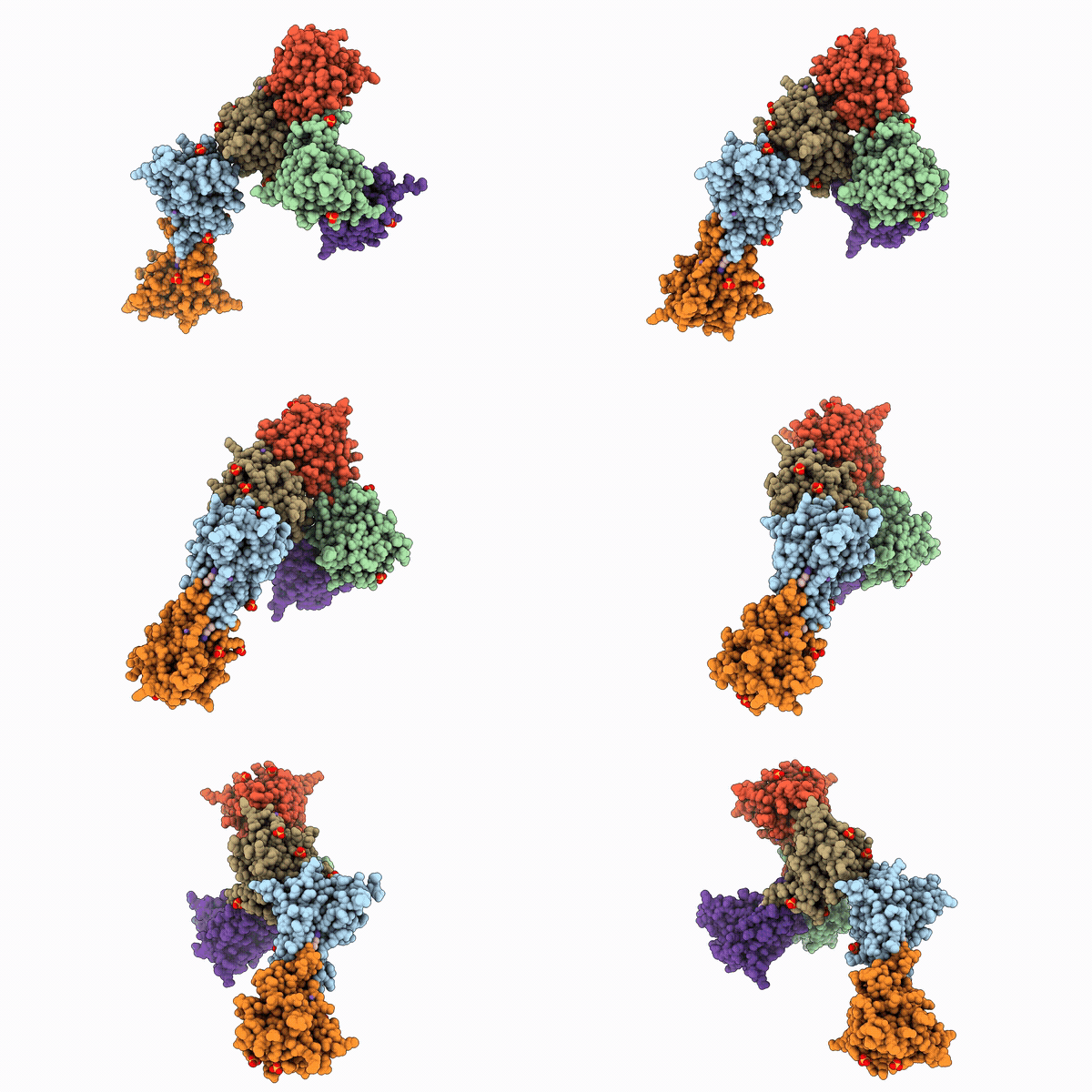
13AH image
Deposition Date 2026-04-26
Release Date 2026-09-16
Last Version Date 2026-11-18
Entry Detail
PDB ID:
13AH
Title:
Crystal structure of retinol-binding protein 4 in complex with tinlarebant
Biological Source:
Source Organism(s):
Homo sapiens (Taxon ID: 9606)
Expression System(s):
Method Details:
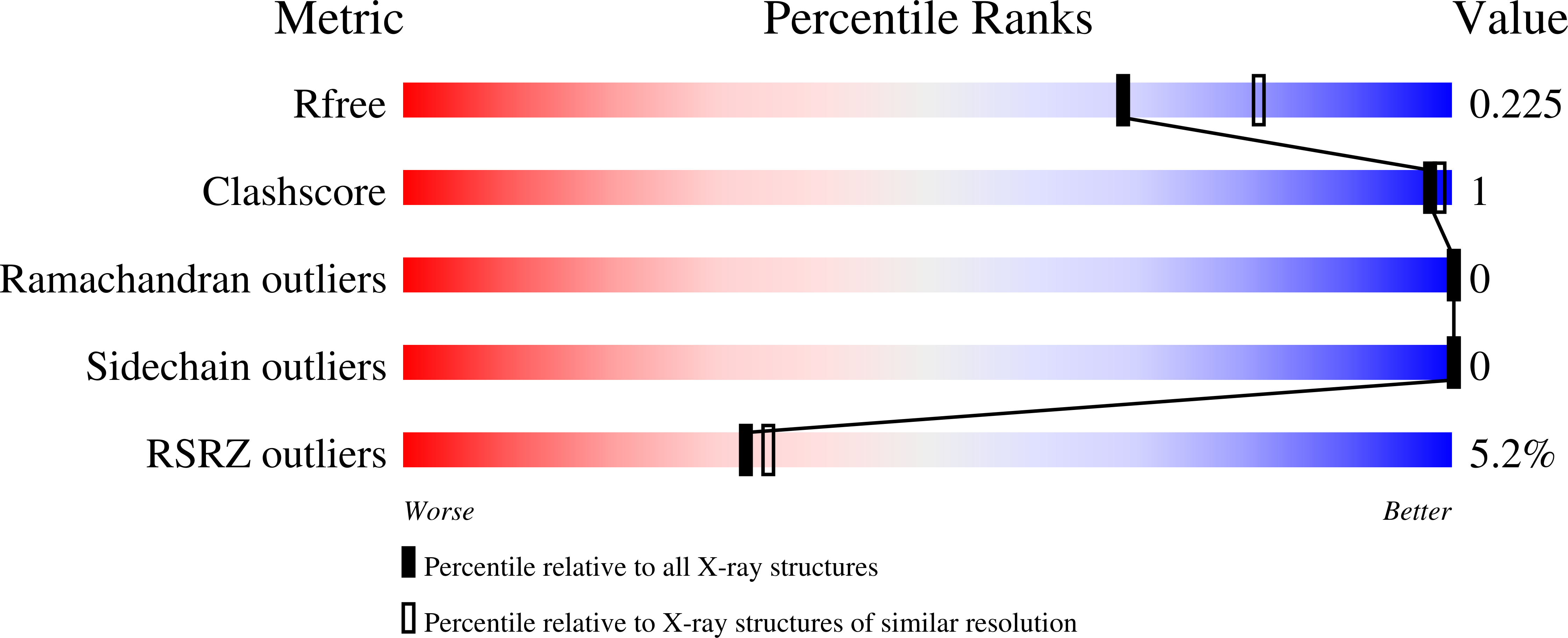
Experimental Method:
Resolution:
2.10 Å
R-Value Free:
0.21
R-Value Work:
0.19
R-Value Observed:
0.19
Space Group:
P 65
Macromolecular Entities
Polymer Type:polypeptide(L)
Molecule:Retinol-binding protein 4
Gene (Uniprot):RBP4
Chain IDs:A, B, C, D, E, F
Chain Length:184
Number of Molecules:6
Biological Source:Homo sapiens
Primary Citation
Structural and biochemical basis for retinol-binding protein 4 antagonism by tinlarebant.
Br.J.Pharmacol. 183 6737 6748 (2026)
PMID: 42810809 DOI: 10.1111/bph.70687

Abstact

BACKGROUND AND PURPOSE: Retinol-binding protein 4 (RBP4) is a member of the lipocalin superfamily that is connected to disease states such as insulin resistance, fatty liver disease and ocular disorders including Stargardt disease. Several retinoid and non-retinoid antagonists of this protein have been developed for potential clinical use, but none have yet received FDA approval. Tinlarebant, a derivative of the early lead RBP4 antagonist, A1120, was reported to slow macular lesion growth in Stargardt disease patients. However, its precise mechanism of RBP4 antagonism remains undisclosed. EXPERIMENTAL APPROACH: The binding of tinlarebant to RBP4 was studied with fluorescence spectroscopy and crystallography. The impact of tinlarebant occupancy in the RBP4 retinol-binding pocket on RBP4 complexation with transthyretin (TTR) was studied by size-exclusion chromatography. The impact of tinlarebant on plasma RBP4 levels was studied in mice. KEY RESULTS: Fluorescence quenching assays demonstrate that tinlarebant competitively displaces retinol from holo-RBP4 with an IC(50) of 8.75 +/- 0.38 nM. The RBP4-tinlarebant complex fails to associate with transthyretin in vitro. Administration of single doses of tinlarebant to mice reduced plasma RBP4 levels by up to 93%. The crystal structure shows that tinlarebant impedes RBP4 association with transthyretin through both conformational and steric effects. CONCLUSION AND IMPLICATIONS: Tinlarebant is a tight-binding RBP4 antagonist that lowers RBP4 plasma levels due to disruption of the RBP4- transthyretin interaction. The crystal structure shows that tinlarebant integrates multiple aspects of RBP4 interaction and antagonism found in its predecessors. Together, these data illuminate the pharmacology of a clinical inhibitor of the RBP4-retinol transport system.

Legend

Protein

Chemical

Disease

Primary Citation of related structures
Feedback Form
Name
Email
Institute
Feedback