

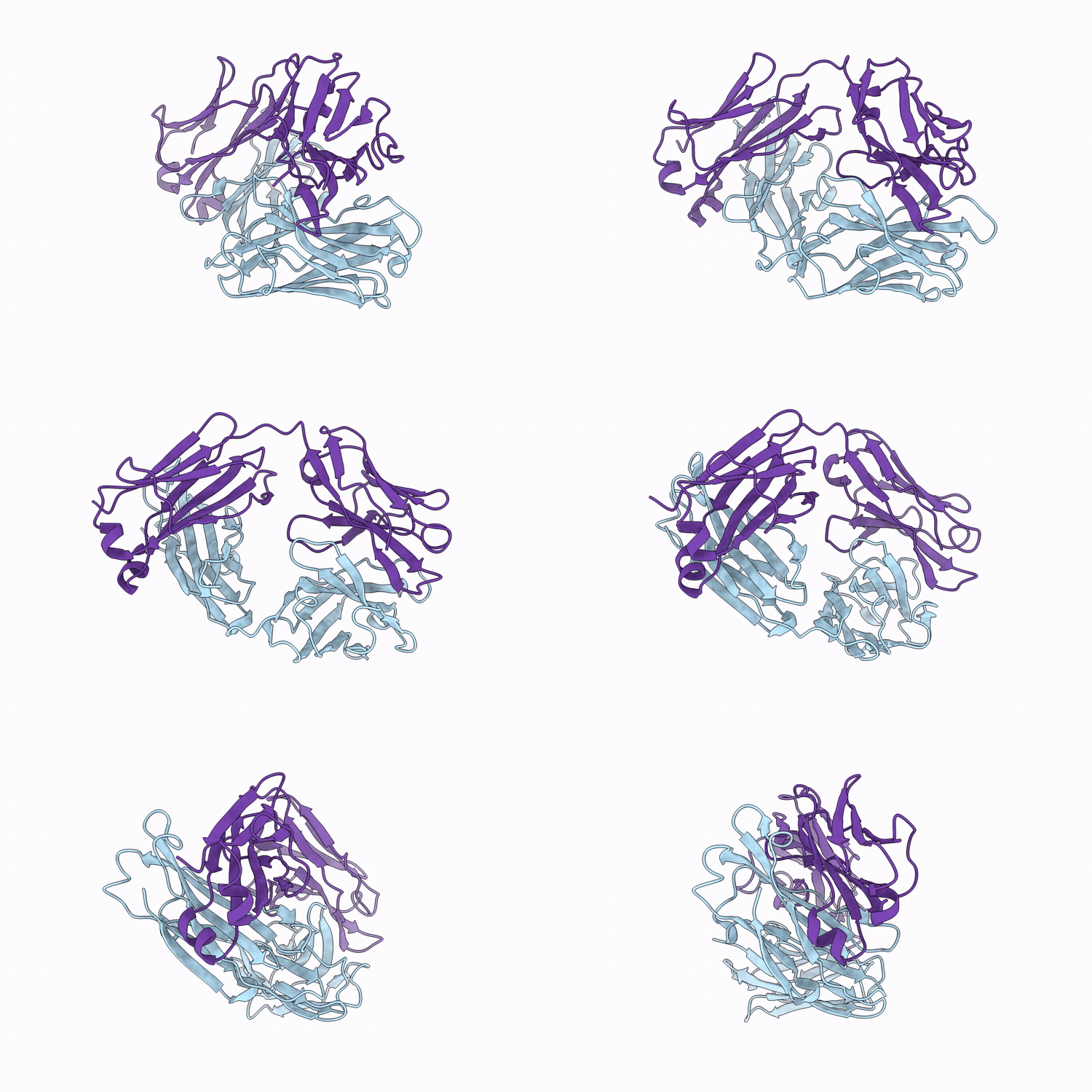
12PY image
Deposition Date 2026-04-14
Release Date 2026-06-24
Last Version Date 2026-09-30
Entry Detail
PDB ID:
12PY
Keywords:
Title:
Crystal structure of unbound CM11.1 Fab
Biological Source:
Source Organism(s):
Macaca mulatta (Taxon ID: 9544)
Expression System(s):
Method Details:
Experimental Method:
Resolution:
2.73 Å
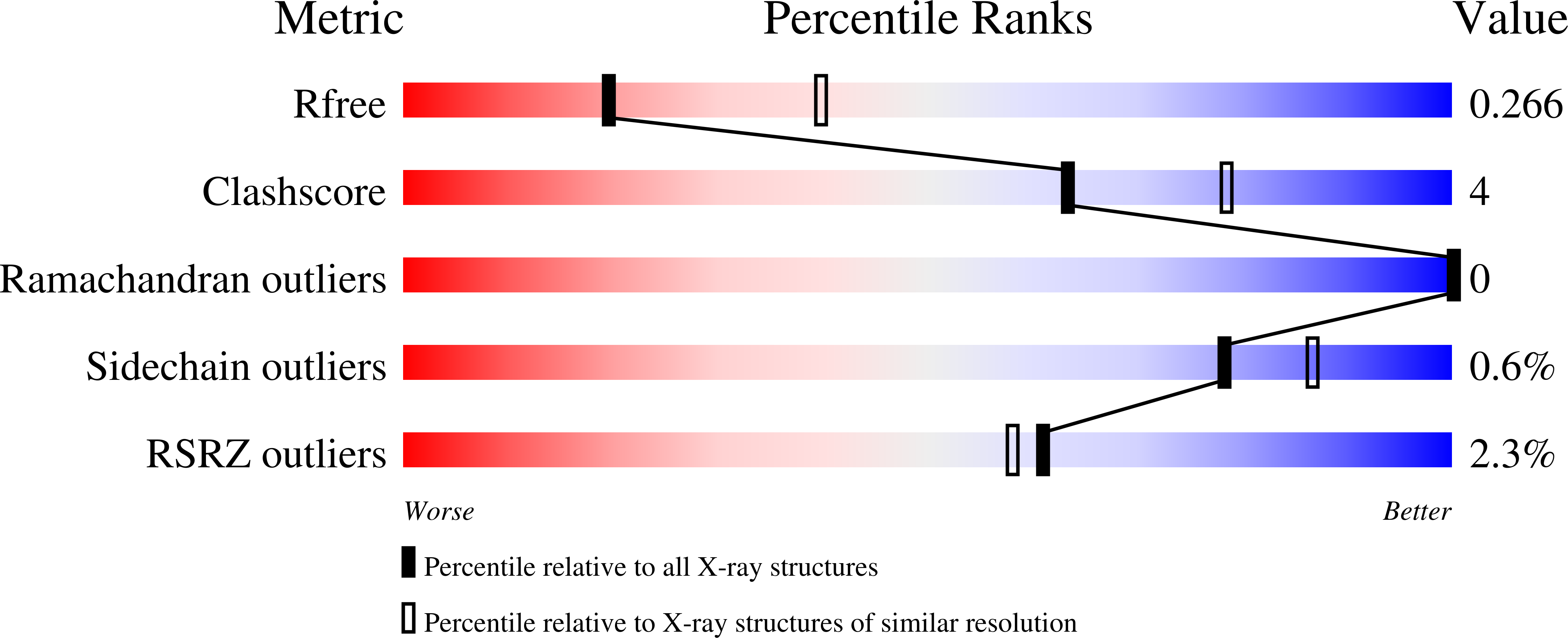
R-Value Free:
0.26
R-Value Work:
0.21
R-Value Observed:
0.22
Space Group:
P 21 21 21
Macromolecular Entities
Structural Superimposition
Polymer Type:polypeptide(L)
Molecule:CM11.1 Fab heavy chain
Chain IDs:A (auth: H)
Chain Length:224
Number of Molecules:1
Biological Source:Macaca mulatta
Structural Superimposition
Polymer Type:polypeptide(L)
Molecule:CM11.1 Fab light chain
Chain IDs:B (auth: L)
Chain Length:216
Number of Molecules:1
Biological Source:Macaca mulatta
Primary Citation
Structural and genetic basis for broad antibody recognition of a protective epitope on orthomarburgvirus GP2.
Cell Rep 45 117536 117536 (2026)
PMID: 42284140 DOI: 10.1016/j.celrep.2026.117536

Abstact

Orthomarburgviruses are the etiological agents of human Marburg virus disease, with case fatality rates reaching up to 90%. Of the limited known targets for protective antibodies on the orthomarburgvirus surface glycoprotein (GP), the GP2 wing region is undefined structurally, and its recognition by antibodies is poorly understood. We report a comprehensive genetic and structural analysis of four independent broadly reactive antibody lineages that target a common epitope within the GP2 wing, including macaque antibodies CM10, CM11.1, and CM12.1 and murine antibody 30G4. Co-crystal structures reveal the recognition of conserved structural determinants within the wing by all four antibodies. Immunogenetic analyses uncover common antibody sequence signatures that underlie interactions with the wing, leading in some cases to nearly identical modes of antibody binding. Our study advances the structural understanding of the GP2 wing protective region and defines conserved immunogenetic and structural features for broad antibody recognition, informing the development of vaccines and antibody countermeasures.

Legend

Protein

Chemical

Disease

Primary Citation of related structures
Feedback Form
Name
Email
Institute
Feedback