

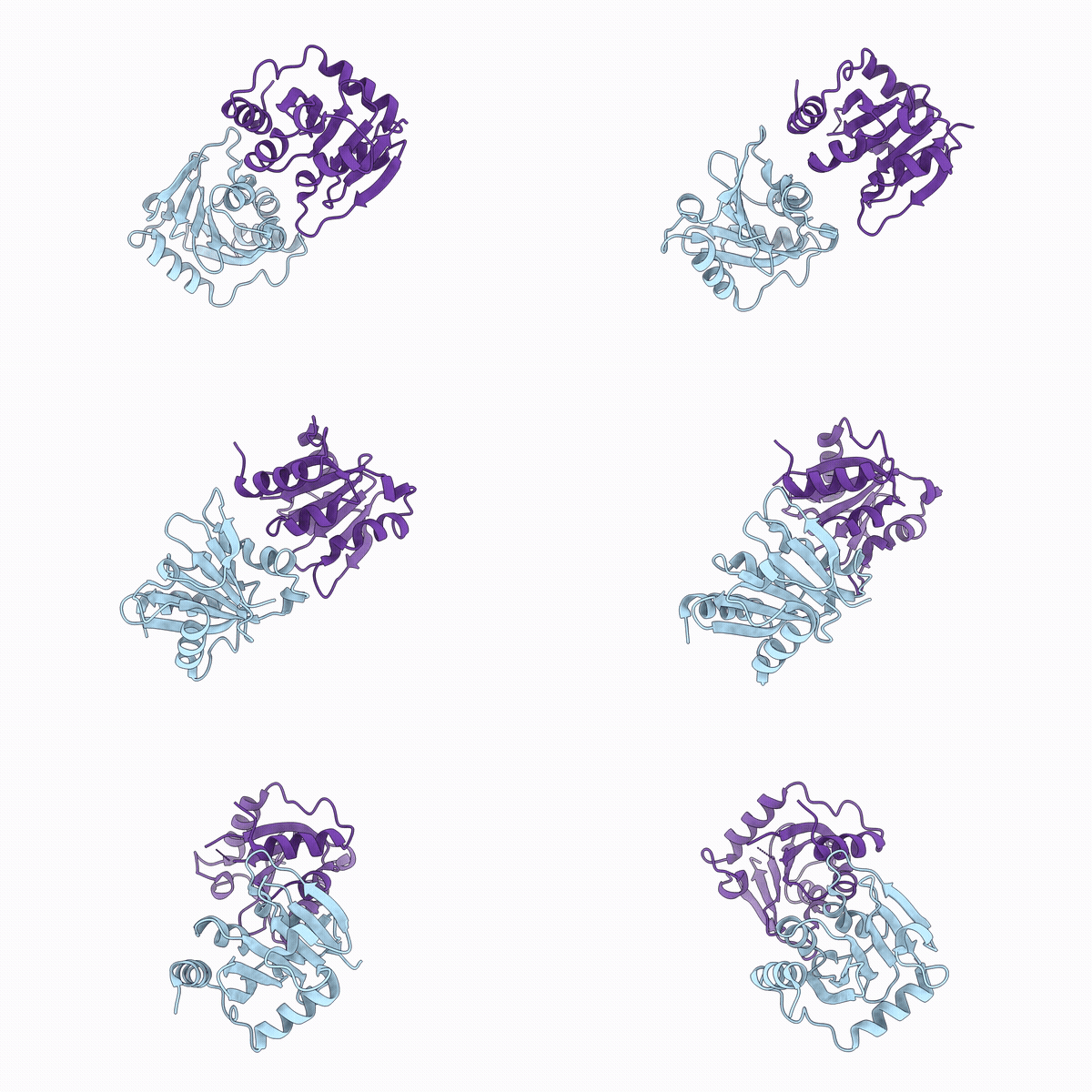
9ZR2 image
Deposition Date 2025-12-19
Release Date 2026-10-07
Last Version Date 2026-10-14
Entry Detail
PDB ID:
9ZR2
Keywords:
Title:
Crystal structure of immunity protein SciX from Salmonella Typhimurium
Biological Source:
Expression System(s):
Method Details:
Experimental Method:
Resolution:
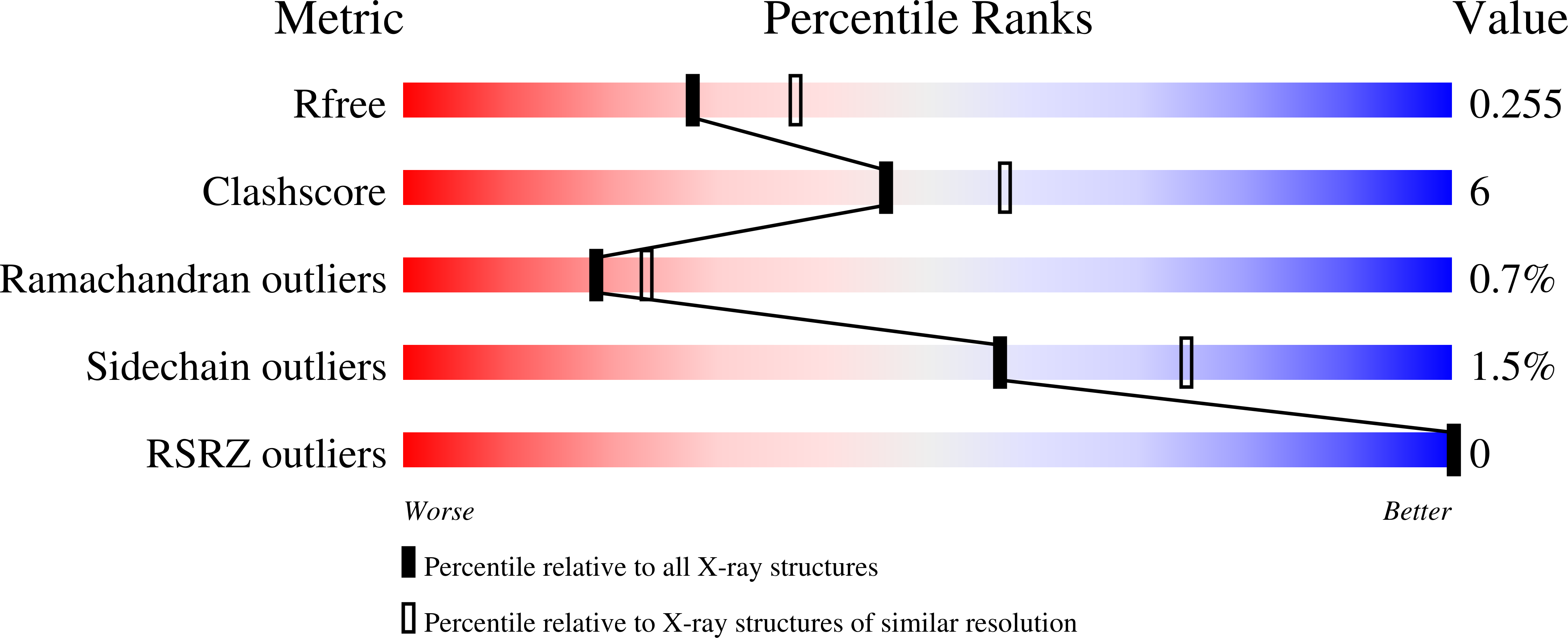
2.30 Å
R-Value Free:
0.25
R-Value Work:
0.22
R-Value Observed:
0.22
Space Group:
P 1 21 1
Macromolecular Entities
Polymer Type:polypeptide(L)
Molecule:SciX
Gene (Uniprot):sciX
Chain IDs:A, B
Chain Length:148
Number of Molecules:2
Biological Source:Salmonella enterica subsp. enterica serovar Typhimurium
Primary Citation
Molecular Characterization of the Orphan Toxin-immunity Pair Rhs2-SciX From Salmonella Typhimurium.
J.Mol.Biol. 438 170032 170032 (2026)
PMID: 42778060 DOI: 10.1016/j.jmb.2026.170032

Abstact

The type VI secretion system (T6SS) is a dynamic nanomachine used by bacteria to compete for space and nutrients. To kill rival bacteria, the T6SS secretes toxic effector proteins directly into adjacent cells in a contact-dependent manner. Effectors have diverse biochemical functions that arise from subtle structural modifications to related enzyme folds. To protect from self-intoxication, effectors are encoded with a cognate immunity protein in effector-immunity pairs. Immunity proteins inhibit toxicity by directly binding the active site of the toxin and are as structurally diverse as their effectors. Salmonella Typhimurium has several known effectors of diverse biochemical functions, including an orphan toxin-immunity pair Rhs2-SciX. Although Rhs2 has antibacterial activity, the biochemical mechanism of Rhs2 toxicity remains unknown. Here, we take a structural approach and show that Rhs2 is related to BECR family nucleases through modeling and bacterial toxicity assays. Furthermore, we solve an X-ray crystal structure of SciX and study the solution-state properties of the immunity protein to gain insight into the binding and inhibition mechanism of Rhs2. Finally, we discover that Rhs2 binds directly to EF-Tu suggesting that Rhs2 may inhibit translation to cause cell death. Our work probes the structure and function of the orphan toxin-immunity pair Rhs2-SciX, demonstrates the biochemical diversity of Salmonella T6SS effectors, and highlights the conserved T6SS toxicity strategy of binding EF-Tu.

Legend

Protein

Chemical

Disease

Primary Citation of related structures
Feedback Form
Name
Email
Institute
Feedback