

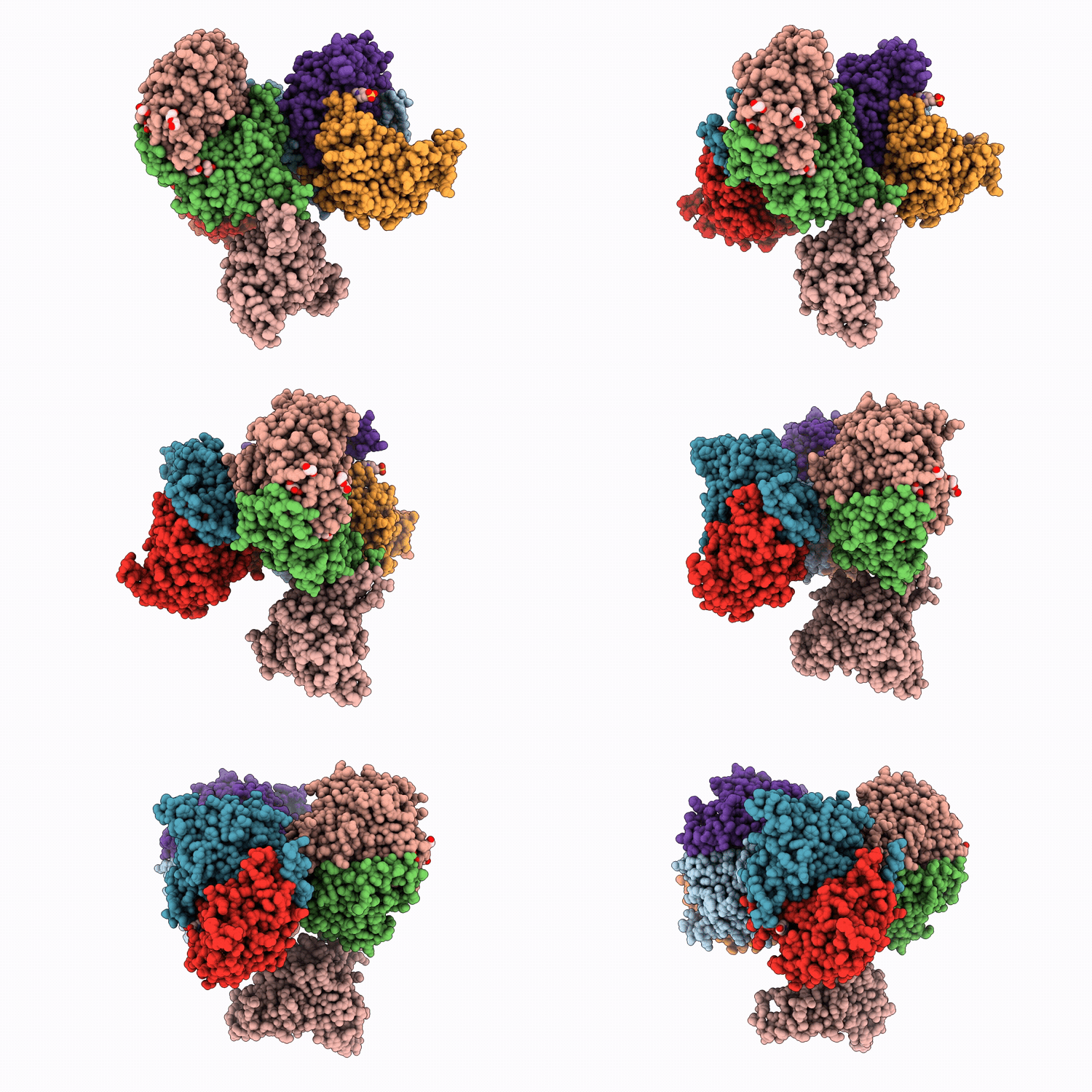
9Z0B image
Deposition Date 2025-10-31
Release Date 2026-06-03
Last Version Date 2026-06-03
Entry Detail
PDB ID:
9Z0B
Keywords:
Title:
Crystal Structure of the Polycaprolactam (Nylon6) and Poly(Hexamethylene Adipamide) (Nylon66) Hydrolase Nyl12 at Cryo Temperature
Biological Source:
Source Organism(s):
Expression System(s):
Method Details:
Experimental Method:
Resolution:
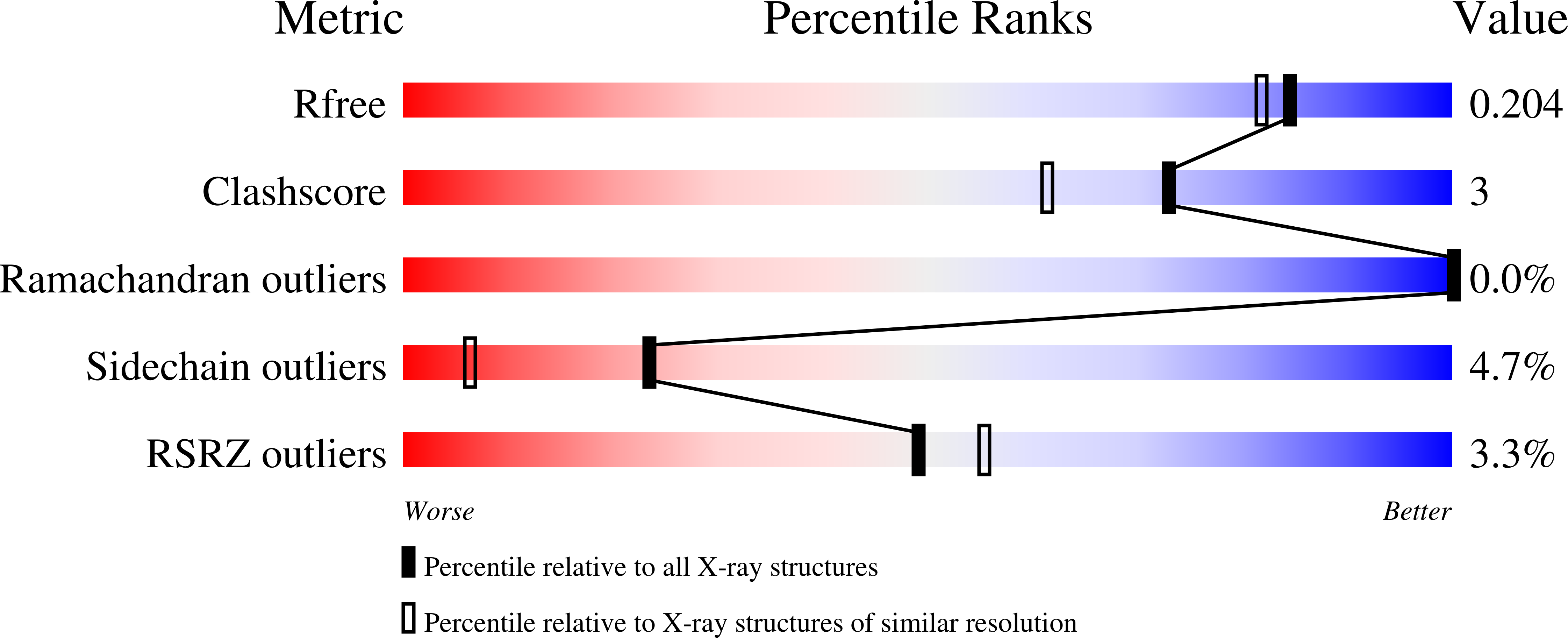
1.75 Å
R-Value Free:
0.19
R-Value Work:
0.16
R-Value Observed:
0.16
Space Group:
P 21 21 21
Macromolecular Entities
Protein Blast
Polymer Type:polypeptide(L)
Molecule:Poly (caprolactam and hexamet
Chain IDs:A, B, C, D, E, F, G, H
Chain Length:328
Number of Molecules:8
Biological Source:Gammaproteobacteria bacterium
Primary Citation
Structural and oligomeric characterization of substrate- and product-selective nylon hydrolases.
Biorxiv ? ? ? (2026)
PMID: 41889879 DOI: 10.64898/2026.03.11.711162

Abstact

Enzymatic degradation of synthetic polymers has attracted broad interest because it offers environmental and manufacturing advantages compared to traditional mechanical and chemical breakdown approaches. Enzymes are highly specific and reaction conditions are generally aqueous and require low pressure and temperature, resulting in lower energy consumption and lower chemical waste production. Here we report the biochemical and structural characterization of three newly discovered enzymes capable of nylon hydrolysis: Nyl10, Nyl12 and Nyl50. Using solution characterization techniques, we found that the enzymes adopt a single oligomeric state consistent with a tetramer over a wide range of concentrations. X-ray crystallographic structures of all three enzymes support the association into tetramers. Comparison of ligand-bound X-ray crystal structures of Nyl10 and Nyl12 with the previously determined structure of Nyl50 identified key structural determinants involved in ligand binding. Noticeably, a flexible loop found in several polyamide degrading enzymes is observed to flip towards (closed conformation) and away (open conformation) from the active site upon ligand binding. Analysis of adduct and surrogate substrate-bound enzyme complex structures provide a model for substrate binding directionality. Finally, activity assays showed that both Nyl10 and Nyl12 can hydrolyze ester bonds, and that Nyl12 has the highest activity toward PA66, identifying it as the best candidate for protein engineering for efficient nylon hydrolysis.

Legend

Protein

Chemical

Disease

Primary Citation of related structures
Feedback Form
Name
Email
Institute
Feedback