

9YAS image
Deposition Date 2025-09-16
Release Date 2026-05-27
Last Version Date 2026-08-19
Entry Detail
PDB ID:
9YAS
Keywords:
Title:
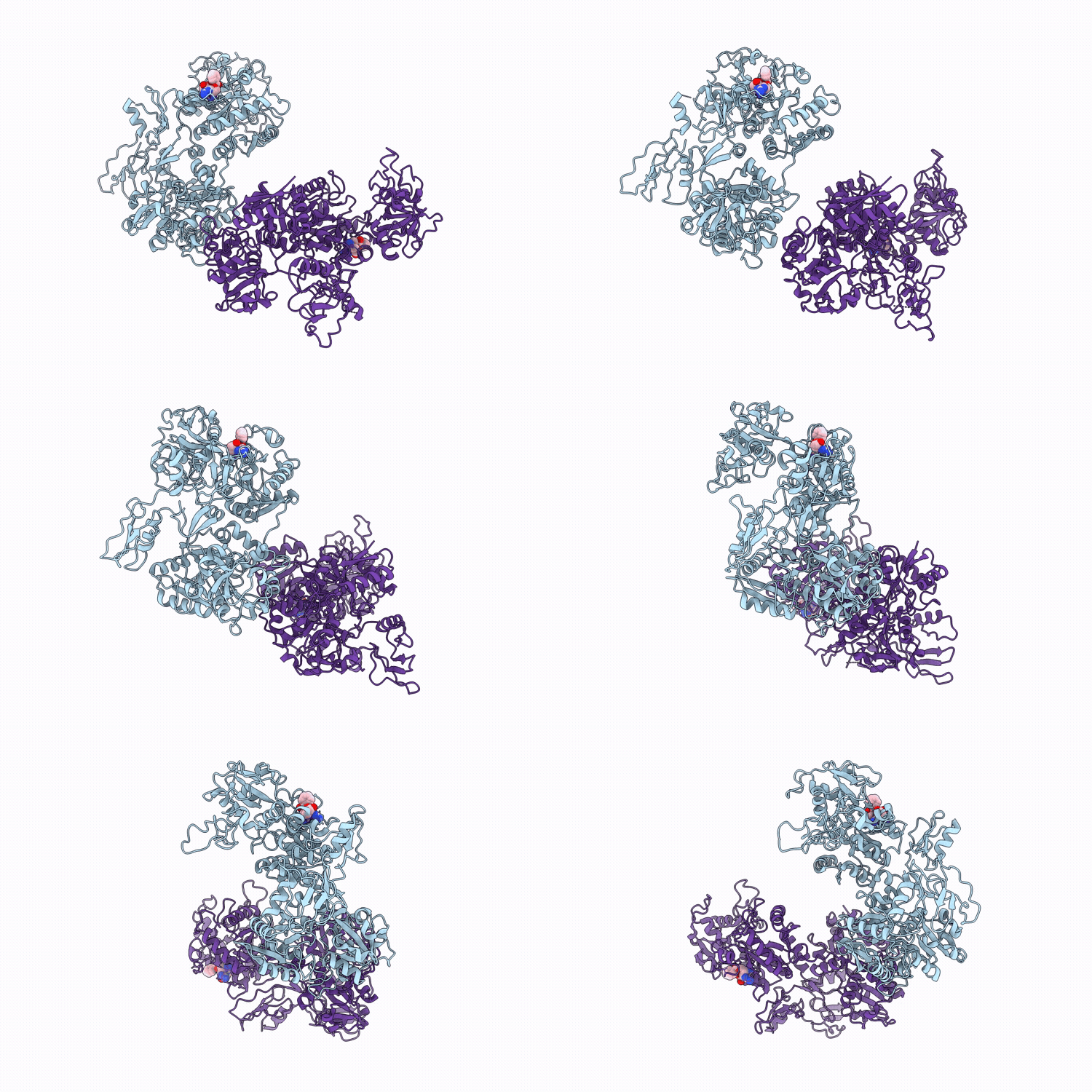
Rana catesbeiana saxiphilin mutant - Y558A:STX-C13-OBz (co-crystal)
Biological Source:
Source Organism(s):
Expression System(s):
Method Details:
Experimental Method:
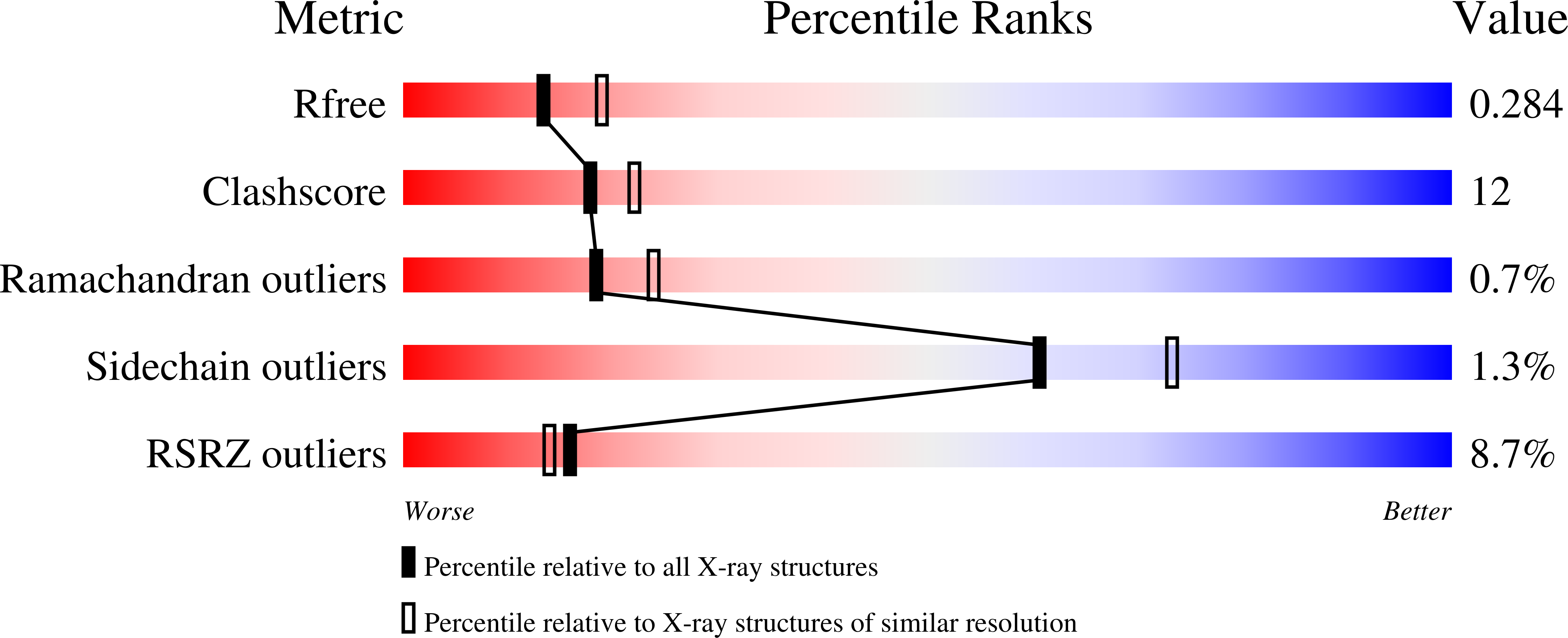
Resolution:
2.45 Å
R-Value Free:
0.28
R-Value Work:
0.24
R-Value Observed:
0.25
Space Group:
P 21 21 21
Macromolecular Entities
Polymer Type:polypeptide(L)
Molecule:Saxiphilin
Mutagens:Y558A
Chain IDs:A, B
Chain Length:853
Number of Molecules:2
Biological Source:Aquarana catesbeiana
Ligand Molecules
Primary Citation
Saxiphilin is a broad-spectrum toxin sponge for C13-modified saxitoxins.
Structure 34 1134 ? (2026)
PMID: 42309055 DOI: 10.1016/j.str.2026.05.008

Abstact

Saxitoxin (STX) and its congeners (paralytic shellfish toxins, PSTs) are among the most potent small-molecule toxins. PSTs are produced by harmful algal blooms and derive toxicity by disrupting voltage-gated sodium channel (Na(V)) bioelectrical signaling. Understanding how PST structural variation affects target binding is crucial for toxin countermeasure development and exploitation of PSTs as drug development leads. Frog and toad saxiphilins (Sxphs) are soluble, high-affinity STX toxin sponges that offer a powerful platform to define PST-protein interactions. Here, we show that American bullfrog (Rana catesbeiana) RcSxph and High Himalaya frog (Nanorana parkeri) NpSxph bind a broad set of C13-modified STX congeners. High-resolution structures unveil "compact" and "open" C13-aryl congener binding modes that depend on the RcSxph Tyr558 environment, highlighting a remarkable adaptability of Sxphs to bind STX analogs and unexpected toxin conformational plasticity. These findings have implications for understanding PST interactions with biological targets and informing design of Na(V) probes and modulators.

Legend

Protein

Chemical

Disease

Primary Citation of related structures
Feedback Form
Name
Email
Institute
Feedback