

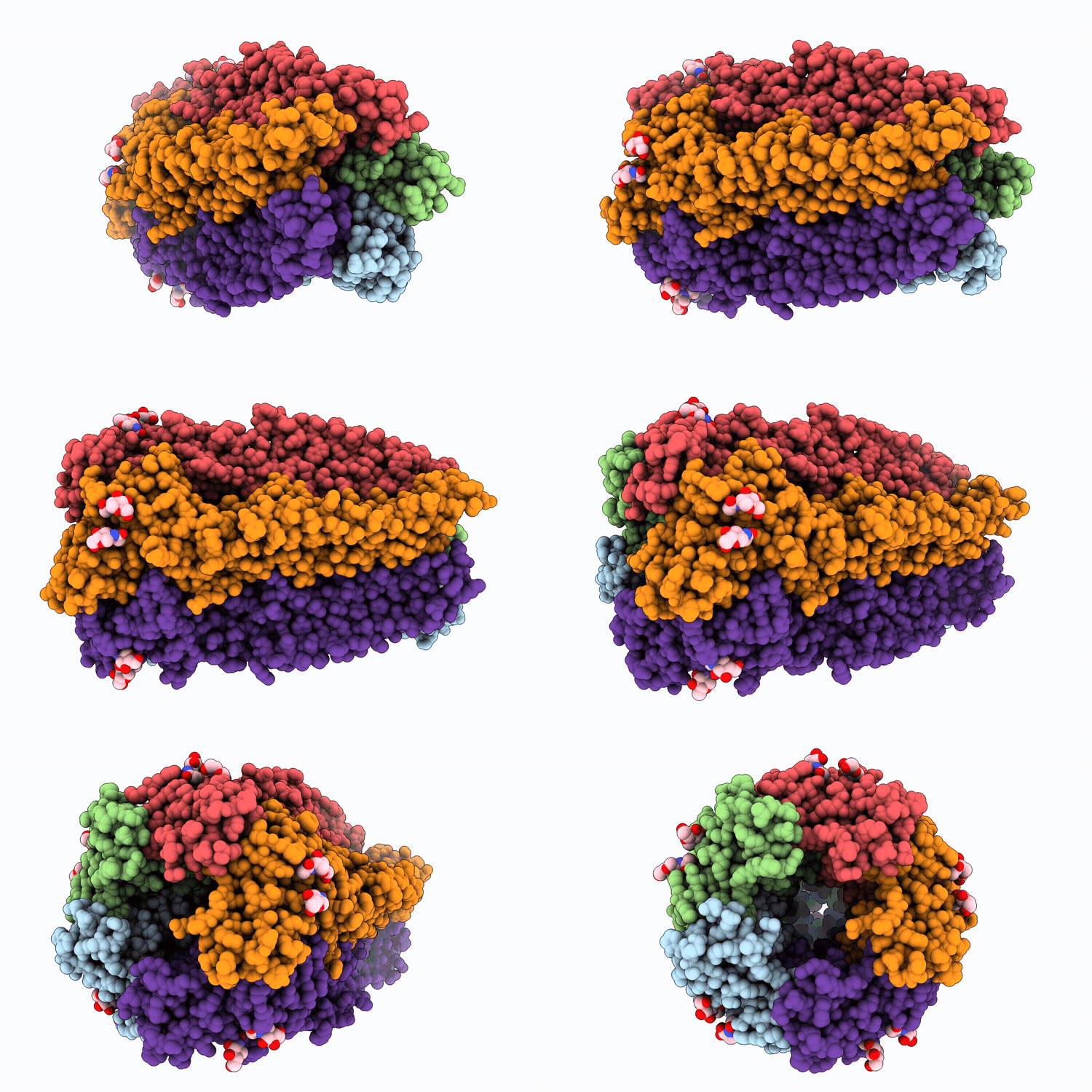
9Y7W image
Deposition Date 2025-09-11
Release Date 2026-03-18
Last Version Date 2026-05-20
Entry Detail
PDB ID:
9Y7W
Title:
Homomeric Glycine Receptor alpha2 with 1 mM Glycine in an Open State
Biological Source:
Source Organism(s):
Homo sapiens (Taxon ID: 9606)
Method Details:
Experimental Method:
Resolution:
3.19 Å
Aggregation State:
PARTICLE
Reconstruction Method:
SINGLE PARTICLE
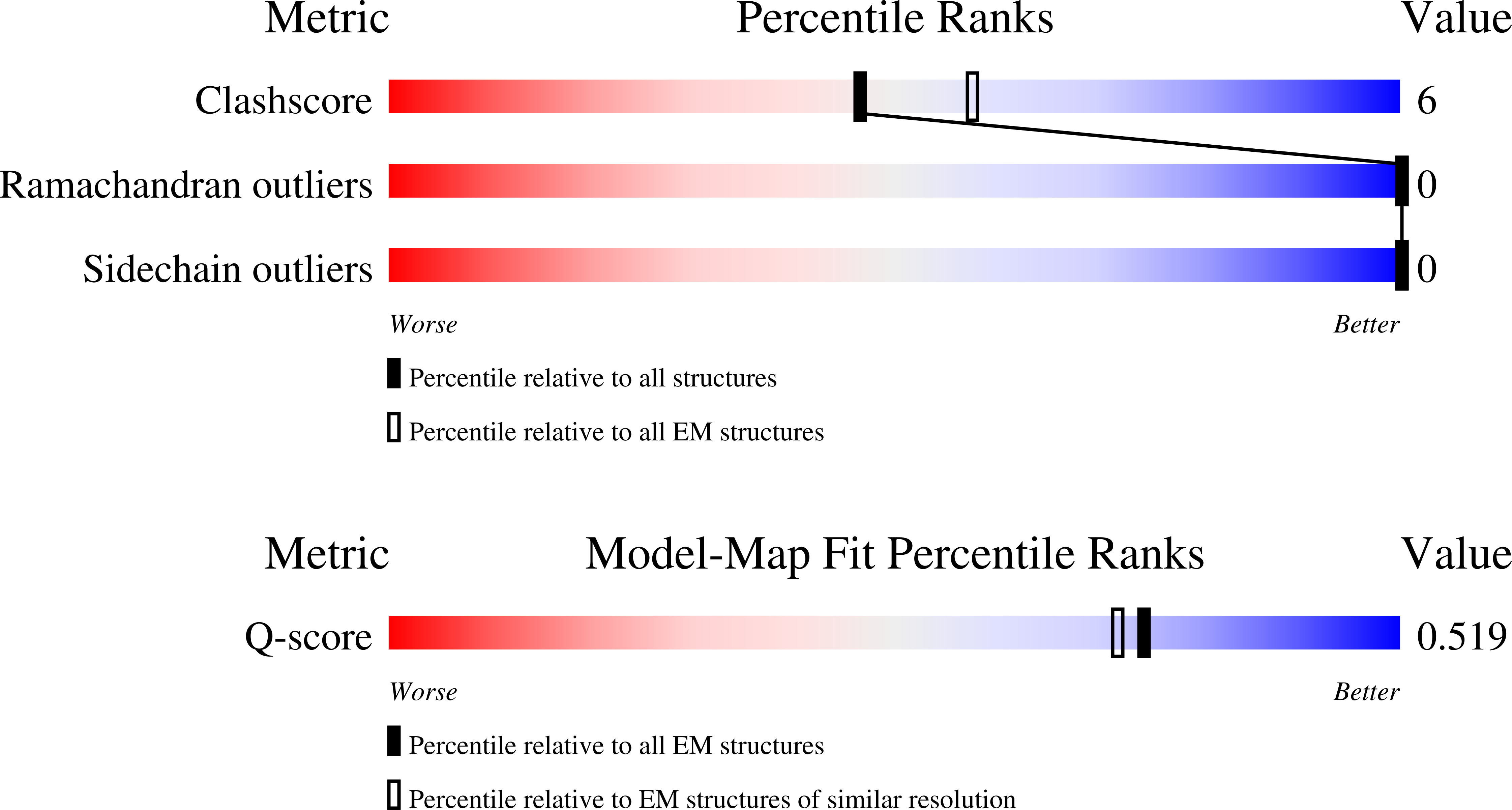
Macromolecular Entities
Structures with similar UniProt ID
Protein Blast
Polymer Type:polypeptide(L)
Molecule:Glycine receptor subunit alph
Gene (Uniprot):GLRA2
Chain IDs:A, B, C, D, E
Chain Length:466
Number of Molecules:5
Biological Source:Homo sapiens
Primary Citation
Human GlyR alpha 2 pore dynamics in gating and inhibition.
Structure 34 798 ? (2026)
PMID: 41856109 DOI: 10.1016/j.str.2026.02.013

Abstact

Glycine receptors (GlyRs) mediate inhibitory neurotransmission in the central nervous system. The GlyRalpha2 subtype contributes to critical neural circuitry in early neurodevelopment and is also found in adults. GlyRalpha2 dysfunctions are implicated in neurodevelopmental disorders, including autism, epilepsy, and cognitive delays. GlyRalpha2 functional properties and pharmacology are distinct from GlyRalpha1, but the structural basis for these differences remains poorly defined. Here, we report cryo-electron microscopy structures of full-length, human GlyRalpha2 reconstituted in peptidiscs captured in multiple conformational states. In addition to symmetric resting and desensitized states, we resolved an asymmetric open state, previously observed only in heteromeric GlyRs. This suggests that asymmetry is intrinsic to GlyRalpha2, independent of beta-subunit incorporation. Furthermore, we identified distinct conformations of GlyRalpha2 with the pore-blocker picrotoxin, providing new insights into allosteric interactions. These findings uncover the structural basis of GlyRalpha2 function, providing a foundation for understanding its role in development and in GlyRalpha2-associated disorders.

Legend

Protein

Chemical

Disease

Primary Citation of related structures
Feedback Form
Name
Email
Institute
Feedback