

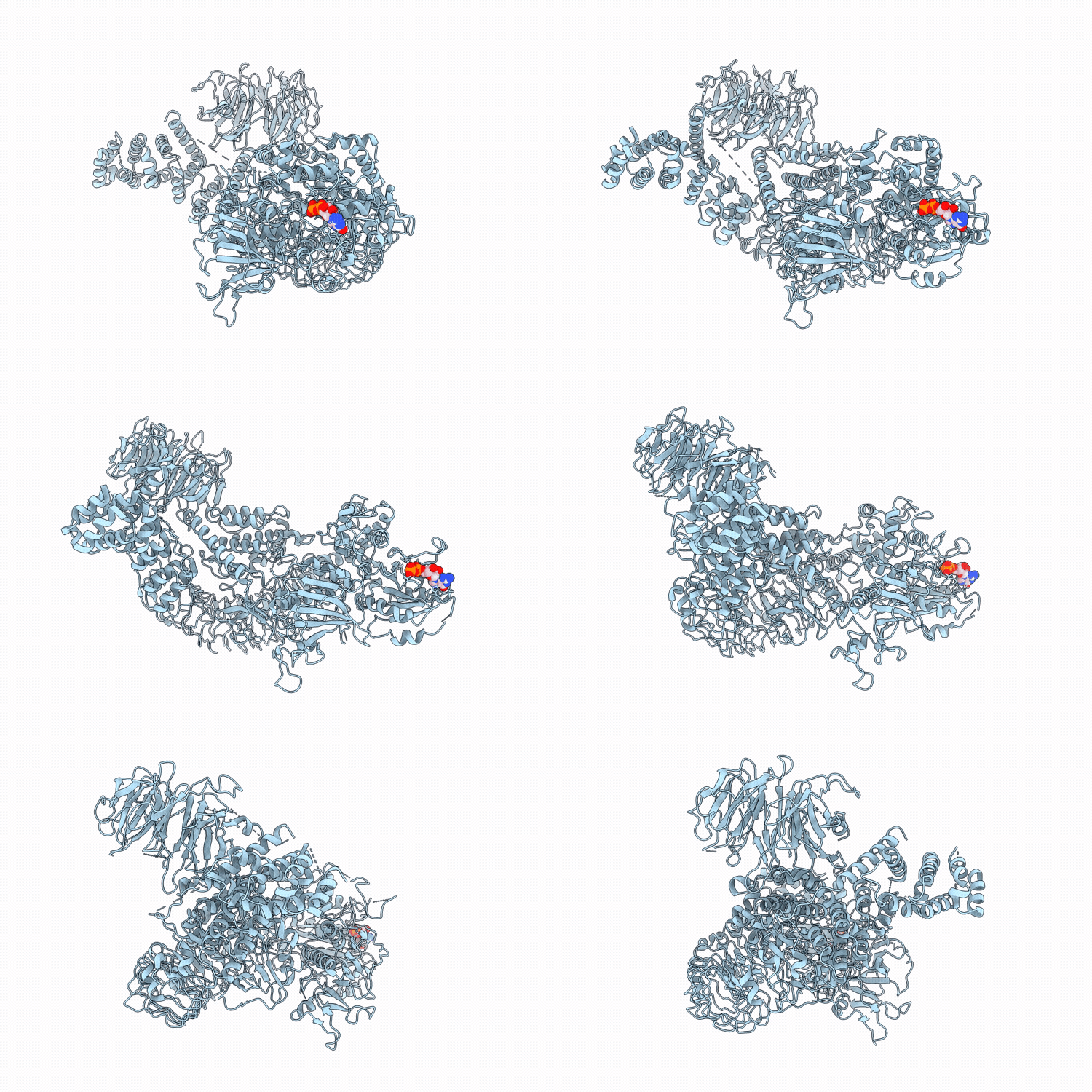
9Y67 image
Deposition Date 2025-09-08
Release Date 2026-08-12
Last Version Date 2026-10-14
Entry Detail
PDB ID:
9Y67
Keywords:
Title:
Full length LRRK2 after symmetry expansion
Biological Source:
Source Organism(s):
Homo sapiens (Taxon ID: 9606)
Expression System(s):
Method Details:
Experimental Method:
Resolution:
3.72 Å
Aggregation State:
PARTICLE
Reconstruction Method:
SINGLE PARTICLE
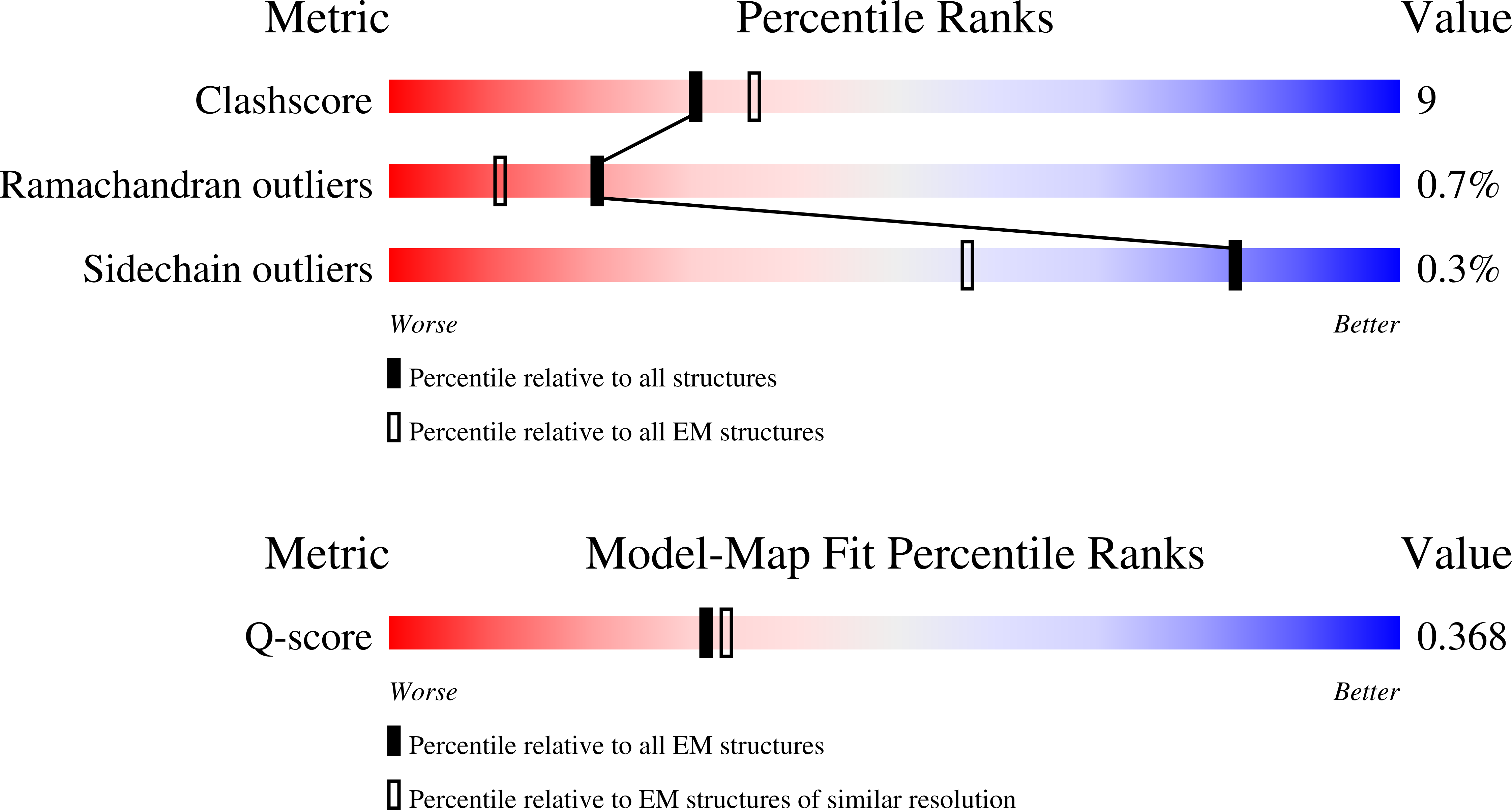
Macromolecular Entities
Polymer Type:polypeptide(L)
Molecule:Leucine-rich repeat serine/th
Gene (Uniprot):LRRK2
Chain IDs:A
Chain Length:2527
Number of Molecules:1
Biological Source:Homo sapiens
Ligand Molecules
Primary Citation

Abstact

Mutations in leucine-rich repeat kinase 2 (LRRK2) are the second most common cause of autosomal-dominant Parkinson's disease (PD), and increased LRRK2 kinase activity is also observed in idiopathic PD, making LRRK2 a major actionable therapeutic target. LRRK2 is a 286-kDa multidomain enzyme containing a Ras-like GTPase (ROC) and a kinase domain. Using cryo-electron microscopy (cryo-EM), biochemical reconstitution, and cell-based assays, we show that the ROC GTPase governs switching between autoinhibited and active states: GTP binding promotes activation, whereas GDP binding enforces autoinhibition. Two common PD-linked mutations, G2019S and R1441C/G/H, activate LRRK2 through distinct structural mechanisms, revealing genotype-specific routes to dysregulation. These findings provide a unified framework for understanding LRRK2 regulation with broad therapeutic implications. Stabilizing the guanosine diphosphate (GDP)-bound state may inhibit LRRK2 by maintaining autoinhibition, whereas promoting the GTP-bound state could be advantageous in specific cellular contexts, such as the lung, where increased LRRK2 kinase activity may play protective or regulatory roles.

Legend

Protein

Chemical

Disease

Primary Citation of related structures
Feedback Form
Name
Email
Institute
Feedback