

9XV7 image
Deposition Date 2025-11-25
Release Date 2026-06-03
Last Version Date 2026-06-03
Entry Detail
PDB ID:
9XV7
Keywords:
Title:
Catalytic domain of N1356
Biological Source:
Source Organism(s):
Expression System(s):
Method Details:
Experimental Method:
Resolution:
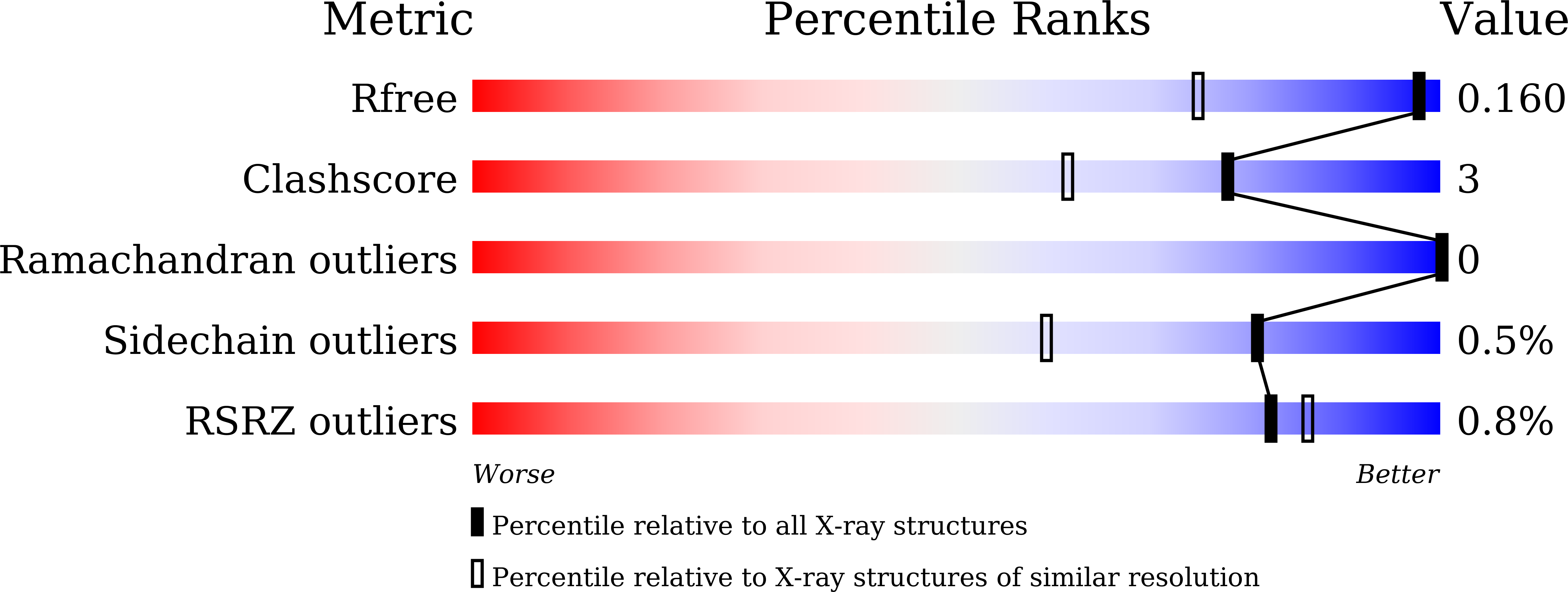
1.20 Å
R-Value Free:
0.15
R-Value Work:
0.13
R-Value Observed:
0.13
Space Group:
P 1 21 1
Macromolecular Entities
Protein Blast
Polymer Type:polypeptide(L)
Molecule:C3 cluster PET hydrolase
Chain IDs:A
Chain Length:266
Number of Molecules:1
Biological Source:Saccharothrix sp. CB00851
Primary Citation
Effect of surface electrostatic potential on pH-activity profile in PET depolymerases.
J Hazard Mater 511 142179 142179 (2026)
PMID: 42033830 DOI: 10.1016/j.jhazmat.2026.142179

Abstact

Enzymatic recycling strategies employing hydrolases for the depolymerization of polyethylene terephthalate (PET) have advanced considerably in recent years. Most highly efficient PET hydrolases exhibit optimal catalytic activity under alkaline conditions, limiting their applicability under neutral or acidic environments. Here, we show that cluster 3, previously characterized within the polyesterase-lipase-cutinase family, displays optimal catalytic activity under near-neutral pH conditions, with a specific lineage represented by N1484 exhibiting maximal activity at pH 5-6. Investigation of the underlying mechanism revealed that residue replacements near the catalytic triad had no effect on pH profiles, whereas substantial differences were observed between the pH dependence of PET hydrolysis and that of the model substrate p-nitrophenyl butyrate. Altering residues around the substrate access region, particularly the negatively charged E121, shifted the pH profile and enhanced activity at alkaline pH, with analogous substitutions in homologous enzymes producing comparable effects. Variants carrying substitutions with different side-chain properties demonstrated that surface electrostatics govern optimal pH of PET hydrolases, suggesting that pH-dependent enzyme-substrate accessibility modulates apparent activity. Together, these findings provide mechanistic insights into the pH dependency of PET depolymerases and inform future enzyme engineering for industrial recycling applications.

Legend

Protein

Chemical

Disease

Primary Citation of related structures
Feedback Form
Name
Email
Institute
Feedback