

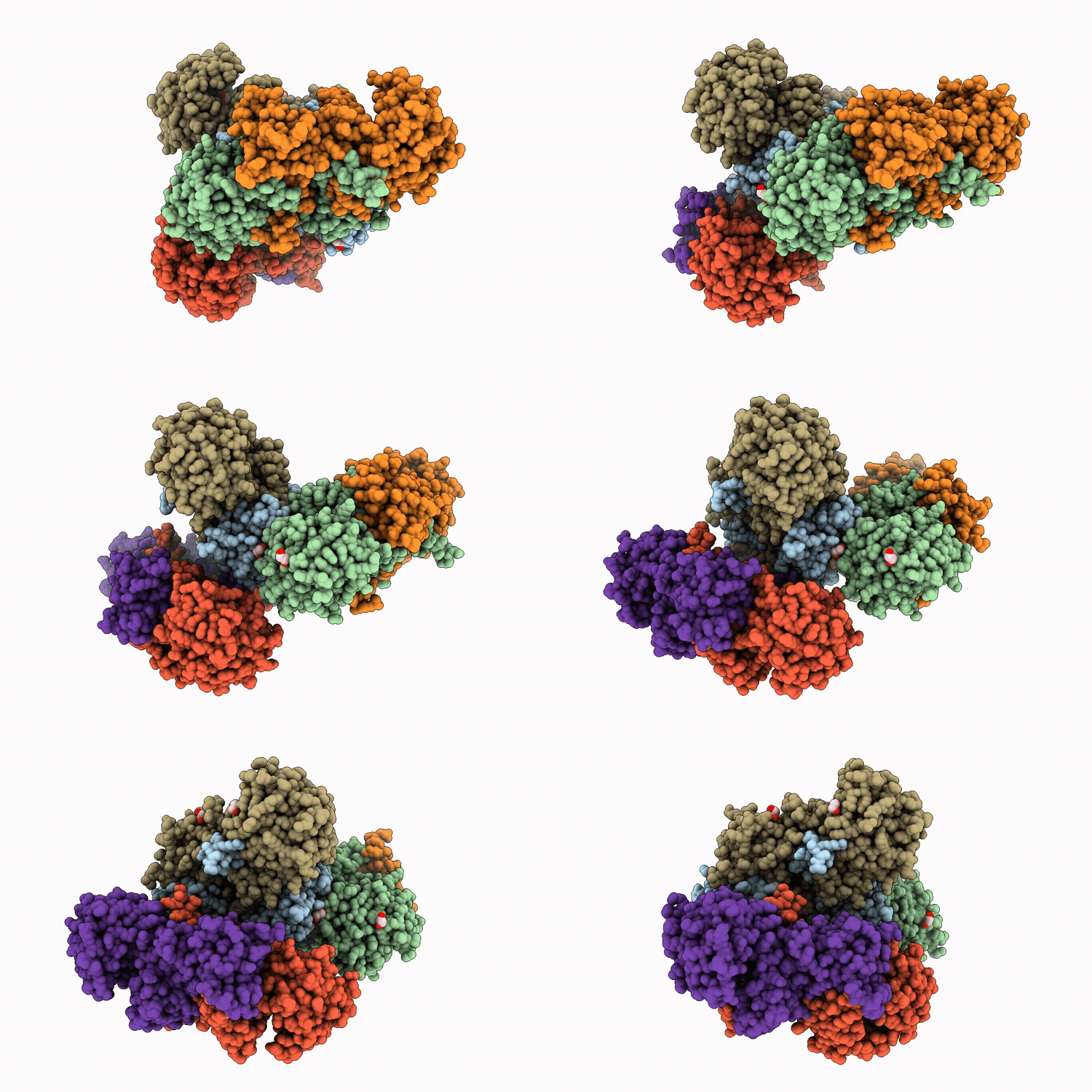
9WIU image
Deposition Date 2025-08-29
Release Date 2026-06-17
Last Version Date 2026-06-17
Entry Detail
PDB ID:
9WIU
Keywords:
Title:
SbSOMT in apo state
Biological Source:
Source Organism(s):
Sorghum bicolor (Taxon ID: 4558)
Expression System(s):
Method Details:
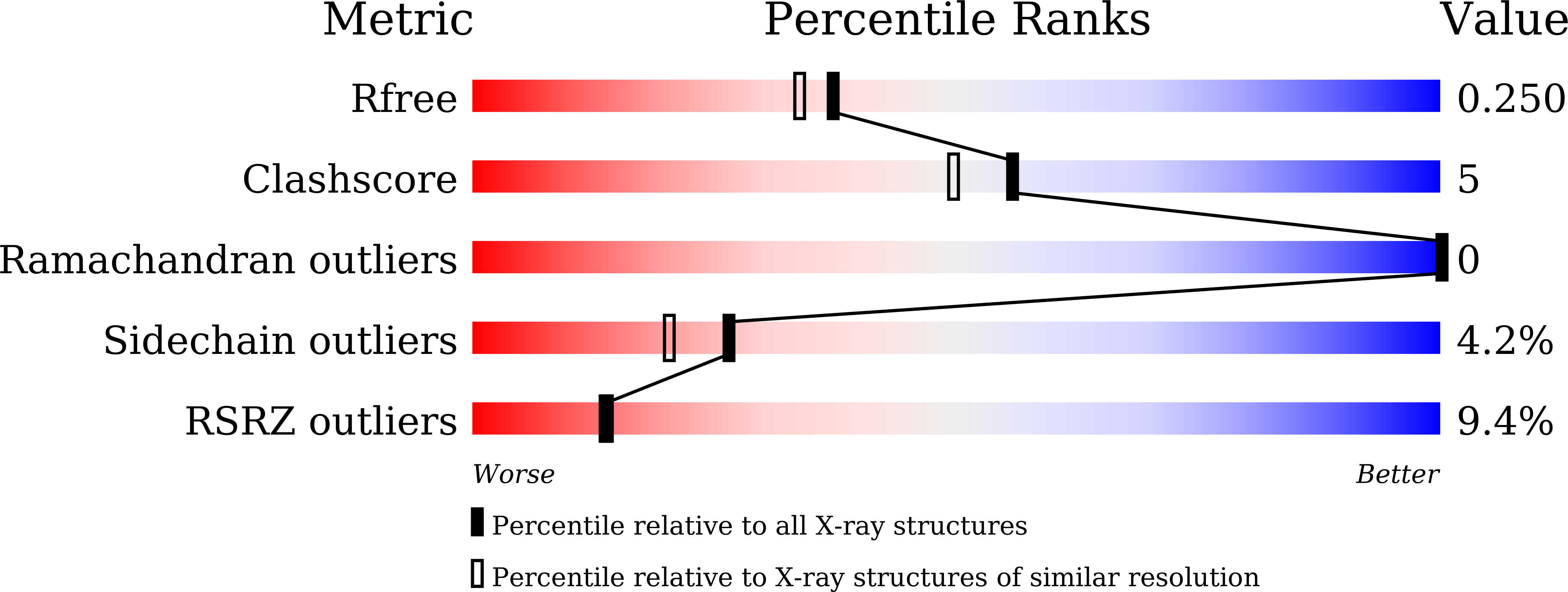
Experimental Method:
Resolution:
2.04 Å
R-Value Free:
0.24
R-Value Work:
0.22
Space Group:
P 21 21 21
Macromolecular Entities
Structures with similar UniProt ID
Protein Blast
Polymer Type:polypeptide(L)
Molecule:O-methyltransferase domain-co
Gene (Uniprot):SORBI_3007G059100
Chain IDs:A, B, C, D, E, F
Chain Length:366
Number of Molecules:6
Biological Source:Sorghum bicolor
Primary Citation
Structural dynamics of the pi-stacking network governing cofactor-substrate cooperativity of SbSOMT methyltransferase.
Commun Chem ? ? ? (2026)
PMID: 42259925 DOI: 10.1038/s42004-026-02087-3

Abstact

SAM-dependent methyltransferases are enzymes that catalyze the transfer of a methyl group from a cofactor to a substrate through an ordered or random sequential bi-bi mechanism. However, the structural dynamics governing binding cooperativity between the cofactor and substrate remain understudied. In this study, we demonstrate that SbSOMT, a plant O-methyltransferase, exhibits bilateral positive cooperativity between the cofactor and substrate, except the unproductive SbSOMT-SAM-pterostilbene complex. Furthermore, SbSOMT displayed substrate-binding kinetics that shift in response to the nature of bound-cofactor. Sinefungin-bound SbSOMT exhibited positive cooperativity primarily attributed to an increased substrate association rate constant (k(on)), whereas SAH-bound SbSOMT displayed positive cooperativity driven primarily by a decreased dissociation rate constant (k(off)). Structural analysis implies that these cooperativity switch and divergent binding kinetics stem from the interactions between the cofactor and substrate at the methyl binding site. Integrating structural insights reveals that a dynamic W279 pi-stacking network governs this cooperativity. Upon binding of the first ligand, H196, W279, and H282 rearrange to form a pi-stacking network, in which W279 serves as the essential central plane that also stacks with the substrate. Accordingly, W279A mutagenesis substantially impaired the substrate affinity, cooperativity and enzymatic activity.

Legend

Protein

Chemical

Disease

Primary Citation of related structures
Feedback Form
Name
Email
Institute
Feedback