

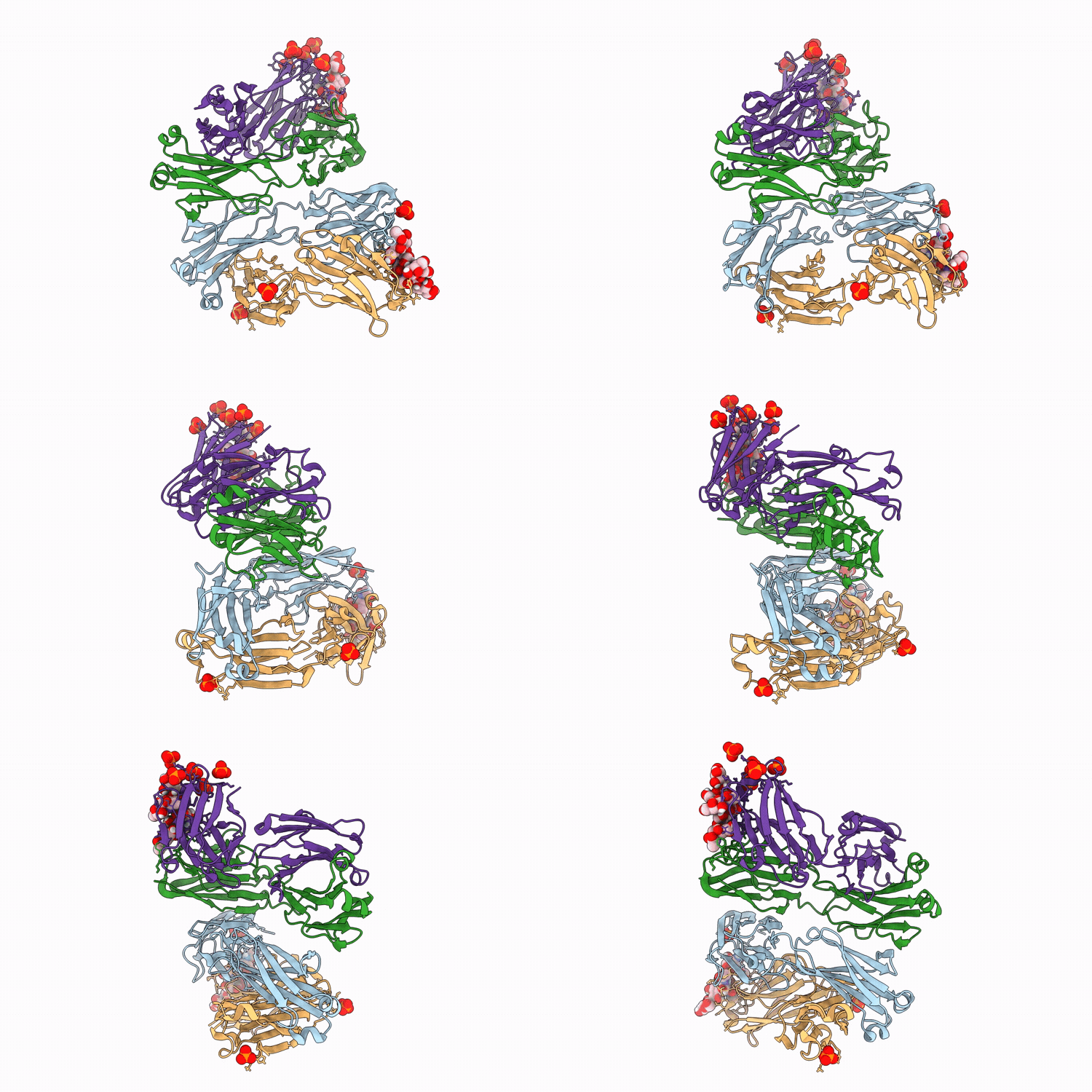
9W6S image
Deposition Date 2025-08-05
Release Date 2026-06-17
Last Version Date 2026-06-17
Entry Detail
PDB ID:
9W6S
Keywords:
Title:
hCA450-21.1 Fab and GD2 complex
Biological Source:
Source Organism(s):
Mus musculus (Taxon ID: 10090)
Expression System(s):
Method Details:
Experimental Method:
Resolution:
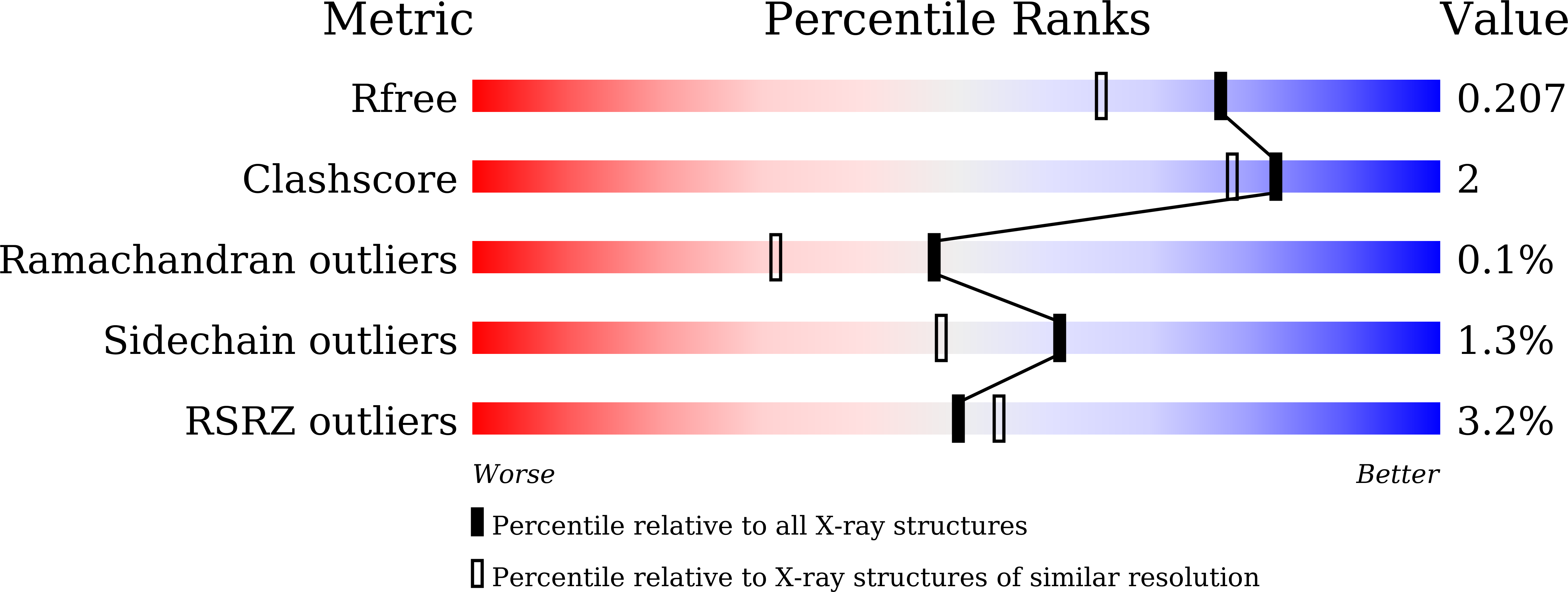
1.69 Å
R-Value Free:
0.20
R-Value Work:
0.18
Space Group:
P 21 21 21
Macromolecular Entities
Protein Blast
Polymer Type:polypeptide(L)
Molecule:Light chain of GD2 antibody h
Chain IDs:A, B
Chain Length:213
Number of Molecules:2
Biological Source:Mus musculus
Protein Blast
Polymer Type:polypeptide(L)
Molecule:Heavy chain of GD2 antibody h
Chain IDs:C, D
Chain Length:216
Number of Molecules:2
Biological Source:Mus musculus
Ligand Molecules
Primary Citation
Identification and Pre-clinical Evaluation of a Novel GD2 Antibody-Drug Conjugate for Solid Tumors in Children and Adults.
Mol.Cancer Ther. ? ? ? (2026)
PMID: 41609209 DOI: 10.1158/1535-7163.MCT-25-0728

Abstact

The ganglioside GD2 is an attractive cancer target due to its high expression in neuroblastoma and other solid tumors, with limited normal tissues distribution. Despite regulatory approvals of three anti-GD2 antibodies, clinical efficacy remains limited by neurotoxicity, suboptimal affinity for ADCC, and immunogenicity. Developing a highly effective, less toxic anti-GD2 agent remains an unmet need. In this study, a novel anti-GD2 murine antibody, CA450, was identified by immunizing mice with GD2 conjugated to KLH or Qbeta virus-like particles (VLP), followed by phage display screening. The humanized version, hCA450-21, displayed higher cell-binding activity than ch14.18 and Hu3F8, along with excellent specificity and internalization capacity. To overcome the limitations of traditional anti-GD2 antibody therapy, hCA450-21 was engineered and conjugated to Exatecan to create an antibody-drug conjugate (ADC), which may reduce or avoid neurotoxicity by employing a mechanism distinct from antibody-dependent cellular cytotoxicity (ADCC) and complement-dependent cytotoxicity (CDC). The hCA450-21.1-LA-68B ADC demonstrated potent in vitro cytotoxicity against glioblastoma, melanoma, and breast cancer cell lines, and in vivo tumor growth inhibition in LN229 and SK-MEL-5 xenograft models. Toxicity studies in mice showed a favorable safety profile, with reduced neurotoxicity compared to naked antibody therapy by ch14.18-IgG1 and hCA450-21.1-IgG1. The crystal structure of the hCA450-21.1 Fab-GD2 complex was resolved at 1.69 A, revealing unique hydrogen bonds and hydrophobic interactions that contribute to its high specificity and affinity. Overall, the novel hCA450-21.1-LA-68B ADC shows preclinical efficacy and reduced toxicity, particularly neurotoxicity, indicating potential as a safer and more effective therapy for GD2-positive pediatric and adult tumors.

Legend

Protein

Chemical

Disease

Primary Citation of related structures
Feedback Form
Name
Email
Institute
Feedback