

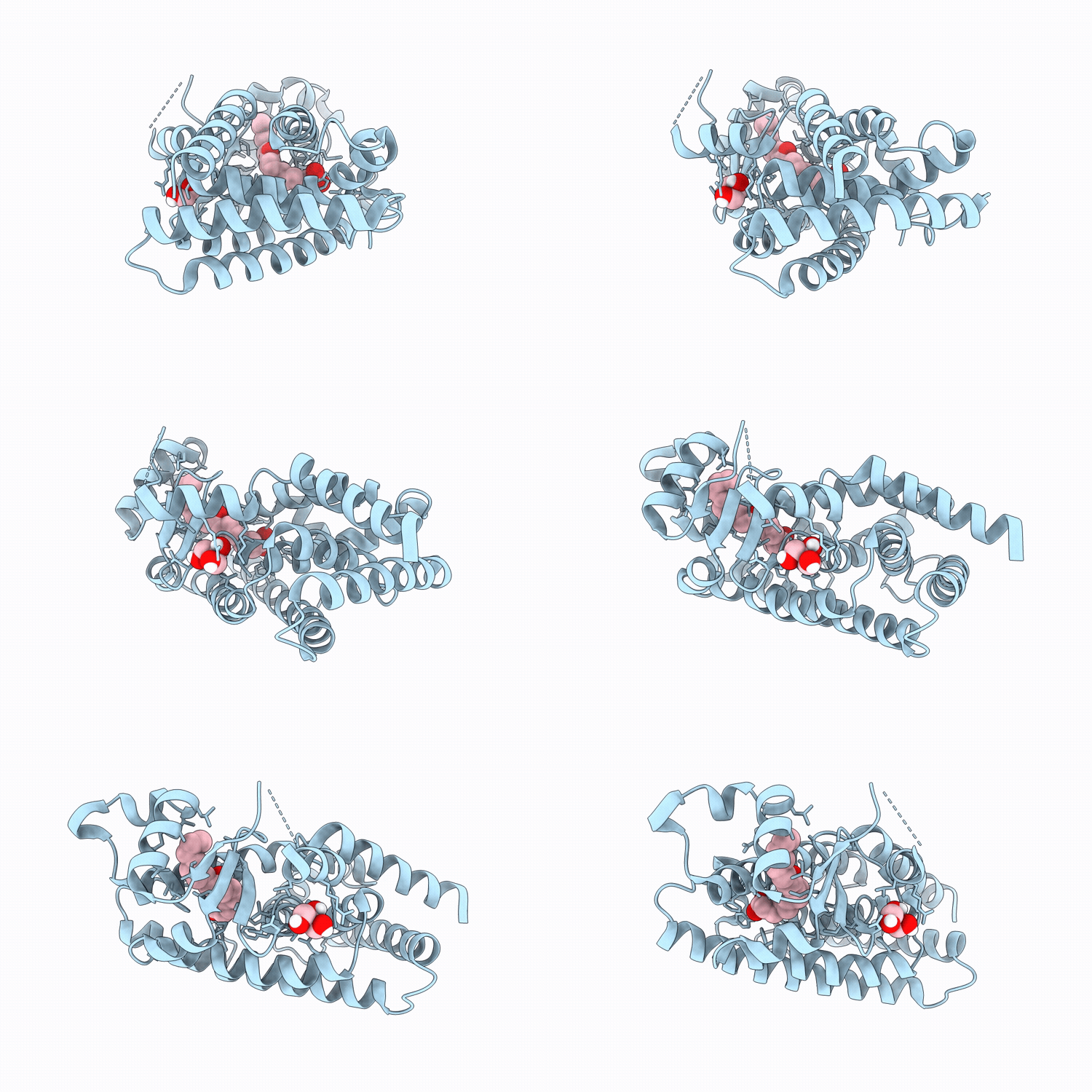
9VZT image
Deposition Date 2025-07-23
Release Date 2026-05-27
Last Version Date 2026-05-27
Entry Detail
PDB ID:
9VZT
Keywords:
Title:
X-ray structure of human PPARalpha ligand binding domain-10-oxostearic acid (10-oxoSA) co-crystals obtained by cross-seeding
Biological Source:
Source Organism(s):
Homo sapiens (Taxon ID: 9606)
Expression System(s):
Method Details:
Experimental Method:
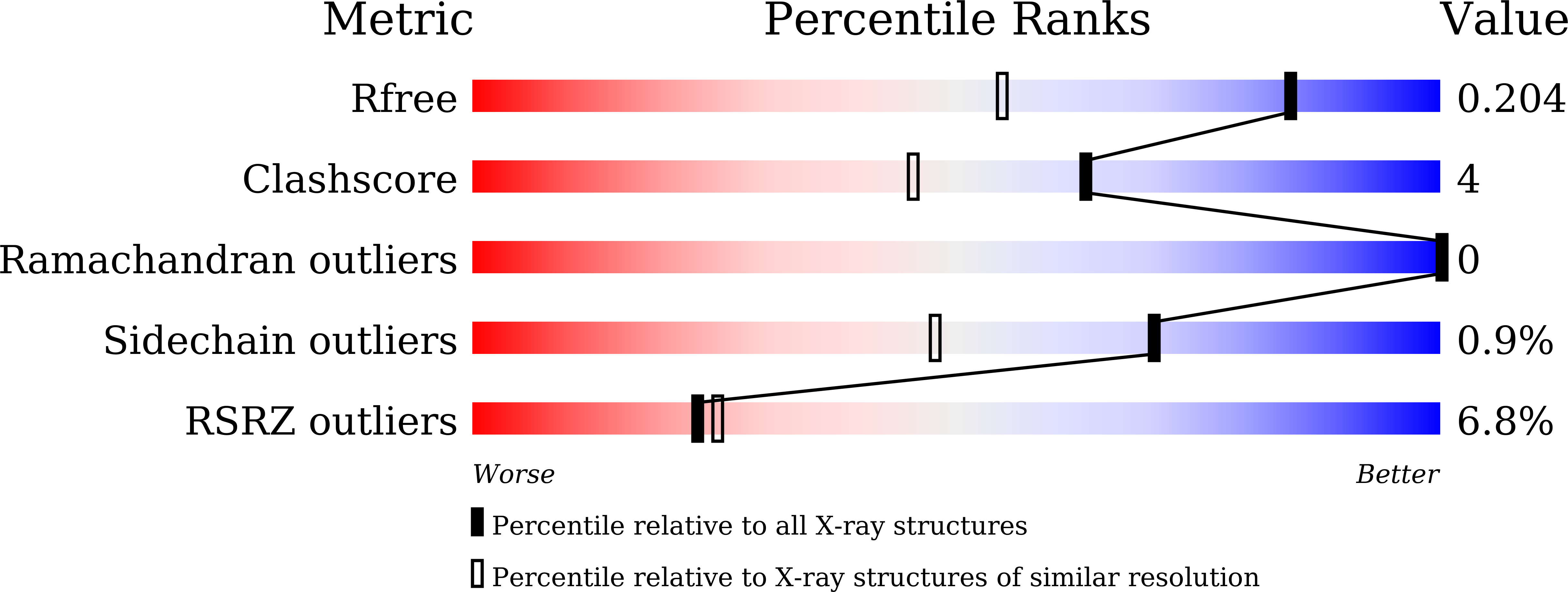
Resolution:
1.48 Å
R-Value Free:
0.20
R-Value Work:
0.18
R-Value Observed:
0.18
Space Group:
P 1 21 1
Macromolecular Entities
Structures with similar UniProt ID
Protein Blast
Polymer Type:polypeptide(L)
Molecule:Peroxisome proliferator-activ
Gene (Uniprot):PPARA
Chain IDs:A
Chain Length:273
Number of Molecules:1
Biological Source:Homo sapiens
Primary Citation
Microbial 10-oxostearic acid protects mice against colitis via the nuclear receptor PPAR alpha.
Nat Microbiol ? ? ? (2026)
PMID: 41951975 DOI: 10.1038/s41564-026-02321-7

Abstact

Interactions between the host, diet and intestinal microbiota are critical for metabolic and immune homeostasis, but the intersecting metabolites and receptors remain poorly defined. Here we identify 10-oxostearic acid (10-oxoSA), a microbial metabolite derived from oleic acid, the most abundant fatty acid in nature, as a potent and selective agonist of the lipid-sensing nuclear receptor peroxisome proliferator-activated receptor alpha (PPARalpha). Biochemical and structural analyses reveal that 10-oxoSA binds PPARalpha with higher affinity than previously identified endogenous ligands. In a mouse model of colitis, 10-oxoSA confers protection in a PPARalpha-dependent manner. Multi-tissue transcriptomics show that 10-oxoSA upregulates beneficial PPARalpha target genes in the ileum and colon, many in previously unrecognized pathways, while also circumventing deleterious hepatic responses. Multi-omics analyses also show that prolonged oral 10-oxoSA administration is well tolerated in the gut and liver with minimal impact on gut microbiota composition. These findings establish a natural diet-microbiota-host axis with potential for anti-inflammatory interventions.

Legend

Protein

Chemical

Disease

Primary Citation of related structures
Feedback Form
Name
Email
Institute
Feedback