

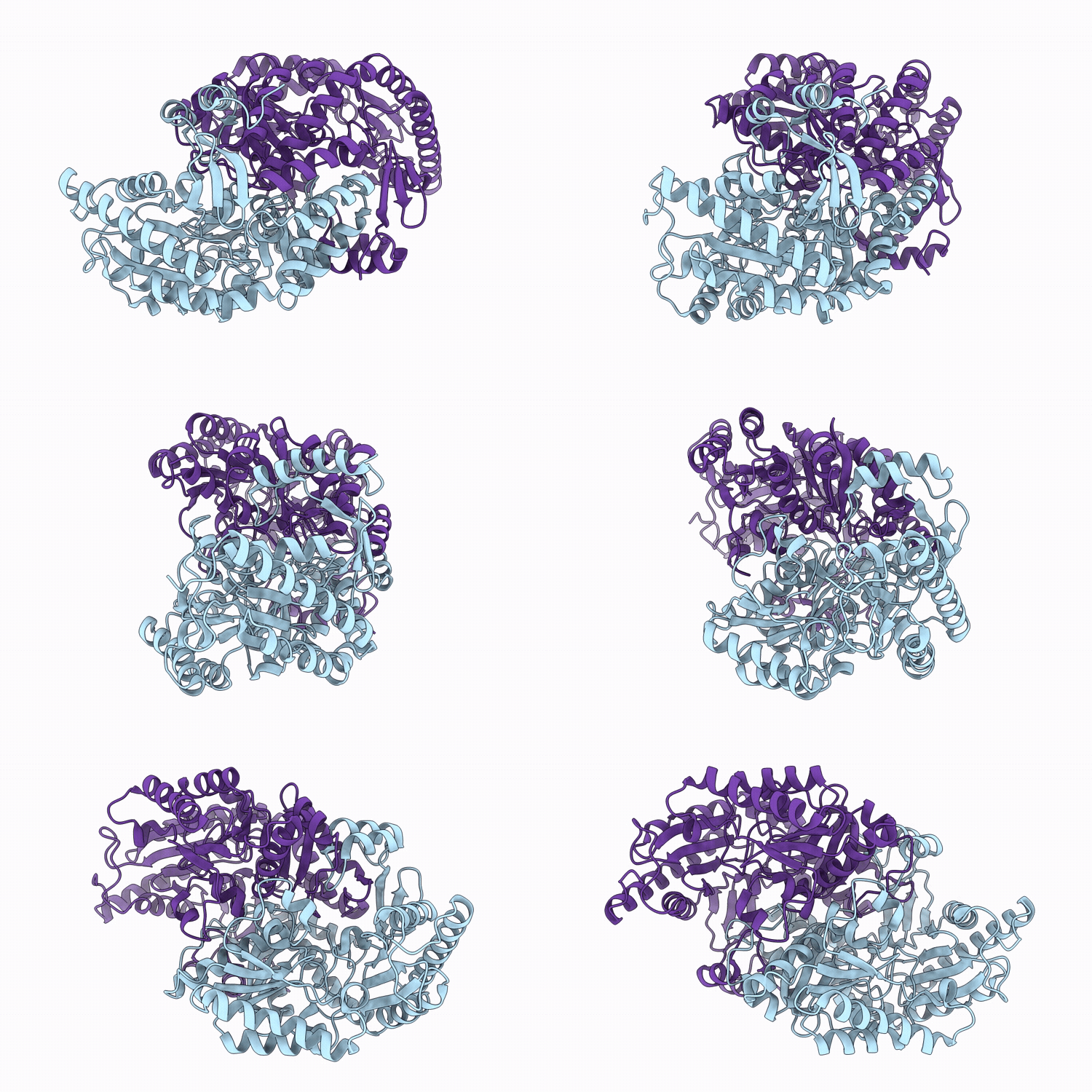
9UVS image
Deposition Date 2025-05-11
Release Date 2026-04-29
Last Version Date 2026-04-29
Entry Detail
PDB ID:
9UVS
Keywords:
Title:
Crystal Structure of transaminase from Phaeobacter porticola
Biological Source:
Source Organism(s):
Expression System(s):
Method Details:
Experimental Method:
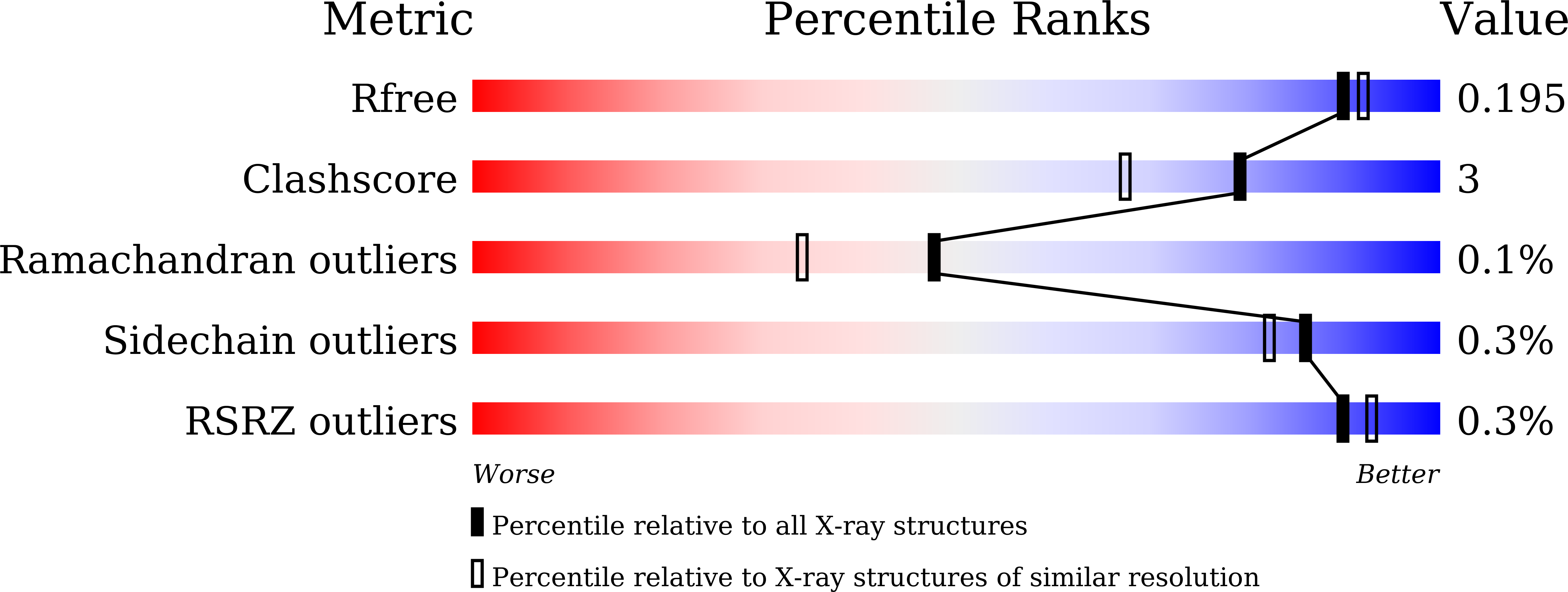
Resolution:
1.73 Å
R-Value Free:
0.19
R-Value Work:
0.16
R-Value Observed:
0.16
Space Group:
C 1 2 1
Macromolecular Entities
Structures with similar UniProt ID
Protein Blast
Polymer Type:polypeptide(L)
Molecule:Aminotransferase class-III
Gene (Uniprot):PhaeoP97_03509
Chain IDs:A, B
Chain Length:464
Number of Molecules:2
Biological Source:Phaeobacter porticola
Modified Residue
Compound ID Chain ID Parent Comp ID Details 2D Image
LLP A LYS modified residue
Primary Citation
Total Biocatalytic Synthesis of Capsaicinoids Using Ferulic Acid: A Versatile Two-Step Strategy for Natural Product Diversification.
Angew.Chem.Int.Ed.Engl. 64 e202514504 e202514504 (2025)
PMID: 41055281 DOI: 10.1002/anie.202514504

Abstact

The wide-ranging application of capsaicinoids, the active compounds in chili peppers, has driven increasing interest in the development of sustainable production strategies. However, capsaicinoid synthesis remains a challenge. The objective of this pioneering study is to report the total biocatalytic synthesis of structurally diverse capsaicinoids from bio-based ferulic acids. An X-ray crystallographic study elucidated the structural basis for the exceptional potential of a novel transaminase from Phaeobacter porticola (PPTA) to transform the highest ever reported concentration of vanillin (100-200 mM) to vanillylamine, with >99% conversion and modest conversion ranging from 48% to 79% for 300 to 500 mM substrate. Using PPTA in tandem with phenolic acid decarboxylase (PAD) and aromatic dioxygenase (ADO) further enabled the direct synthesis of vanillylamine from ferulic acid with >99% conversion. Furthermore, the integration of a multi-enzymatic cascade with carboxylic acid reductases (CARs) successfully synthesized structurally diverse capsaicinoids via amide bond formation between vanillylamine and free fatty acids, with excellent conversions ranging from 72% to >88%. A 50-mM enzymatic reaction afforded 95% and 80% conversion of vanillylamine and capsaicin, respectively.

Legend

Protein

Chemical

Disease

Primary Citation of related structures
Feedback Form
Name
Email
Institute
Feedback