

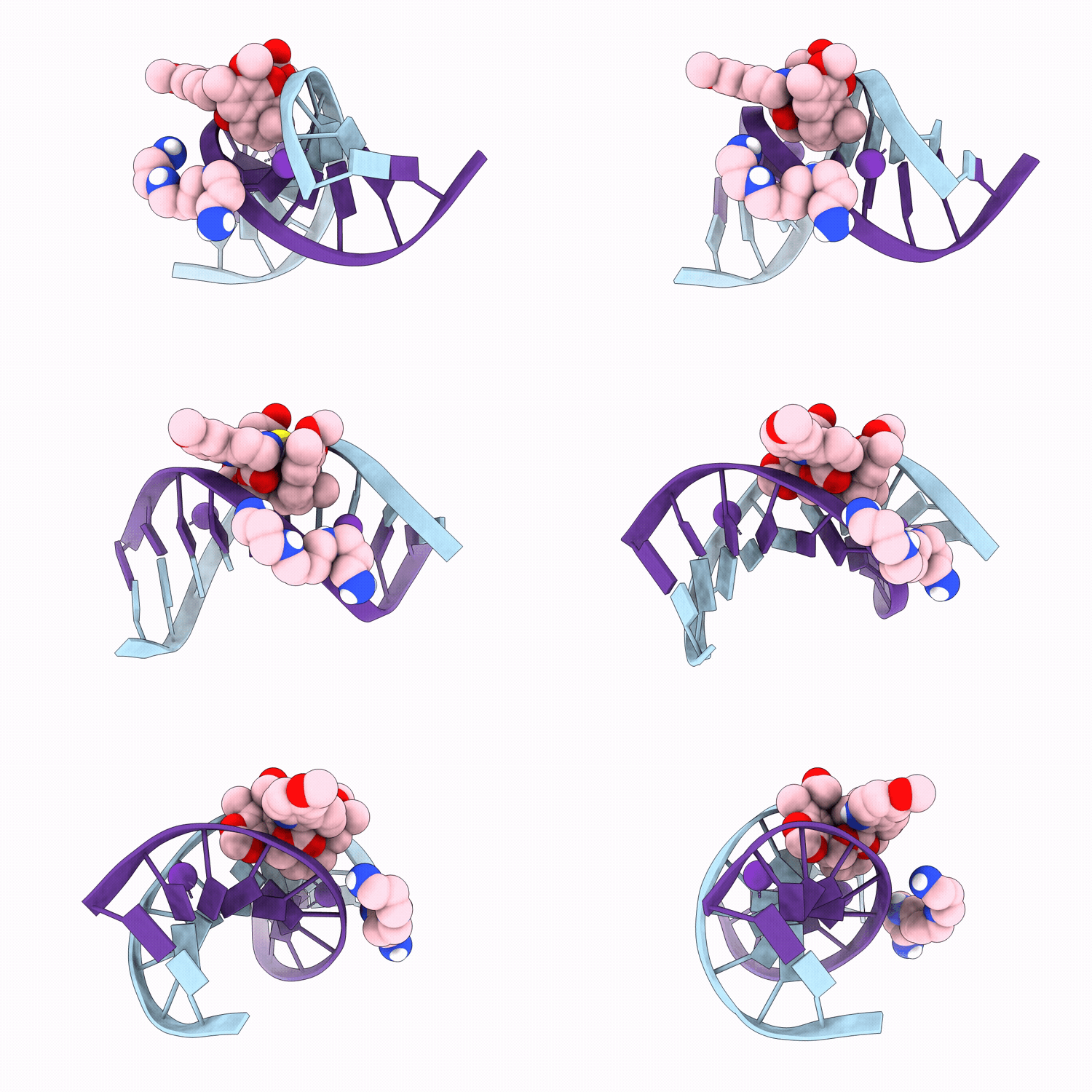
9T8E image
Deposition Date 2025-11-12
Release Date 2026-07-29
Last Version Date 2026-08-19
Entry Detail
PDB ID:
9T8E
Keywords:
Title:
Crystal structure of lurbinectedin bound to 10-mer duplex DNA
Biological Source:
Source Organism(s):
DNA molecule (Taxon ID: 2853804)
Method Details:
Experimental Method:
Resolution:
2.30 Å
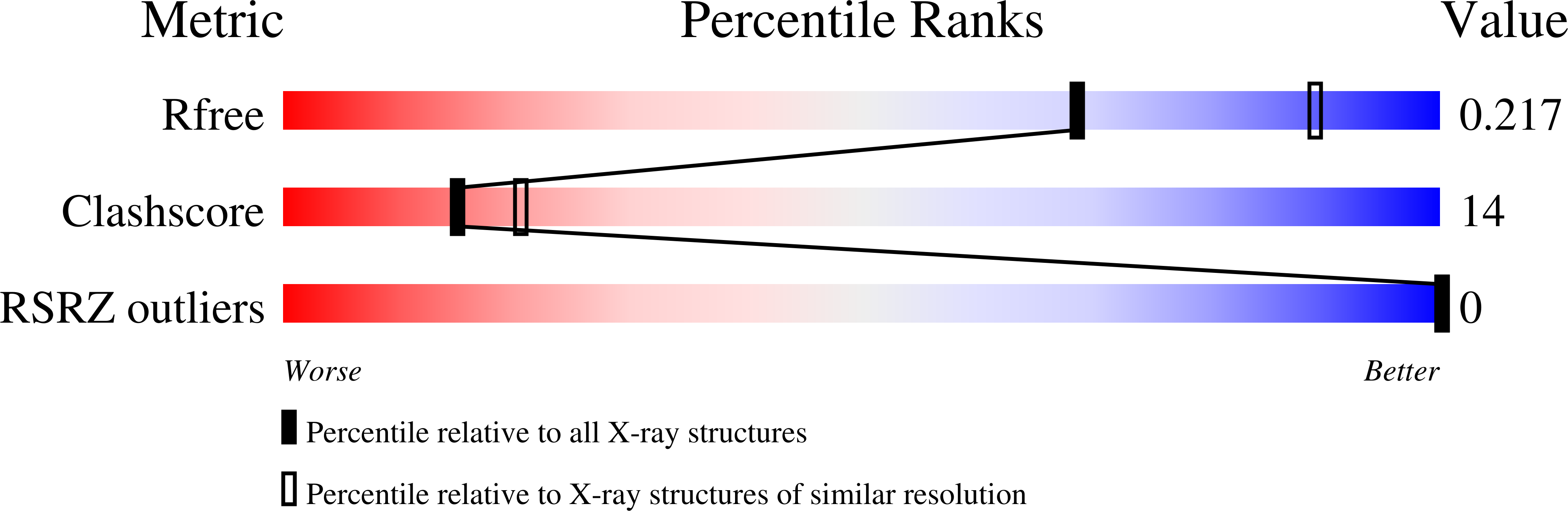
R-Value Free:
0.21
R-Value Work:
0.20
Space Group:
P 41 3 2
Macromolecular Entities
Polymer Type:polydeoxyribonucleotide
Molecule:DNA (5'-D(*CP*GP*AP*TP*GP*CP*
Chain IDs:A, B
Chain Length:0
Number of Molecules:2
Biological Source:DNA molecule
Primary Citation
The structures of ecteinascidin anticancer agents bound to DNA shed light on their mechanism of action.
Nucleic Acids Res. 54 ? ? (2026)
PMID: 42522869 DOI: 10.1093/nar/gkag749

Abstact

Ecteinascidins constitute a family of alkaloid compounds, originally isolated from marine tunicates, that exhibit strong antitumor activity. They act through binding to the DNA minor groove and forming covalent adducts with guanine residues. However, the limited availability of structural data restricts mechanistic insights into their mode of action and hampers the discovery of novel compounds. We report crystal structures of duplex DNA adducts with first-, second-, and third-generation ecteinascidins. The structures show that trabectedin, lurbinectedin, and PM54 bind through their shared A- and B-subunits, forming a covalent bond with the N2 atom of guanine and an extensive network of noncovalent interactions, leading to significant minor groove widening. In contrast, their C-subunit, which differs across the compounds, establishes distinct contacts with the modified strand that affect binding strength and sequence specificity. These structural findings, supported by Forster resonance energy transfer and biochemical assays, reveal the molecular determinants underlying differential sequence selectivity and reactivity. Our results provide a mechanistic framework for the anticancer activity of ecteinascidins and a structural basis to guide the design of next-generation analogues with improved therapeutic potential.

Legend

Protein

Chemical

Disease

Primary Citation of related structures
Feedback Form
Name
Email
Institute
Feedback