

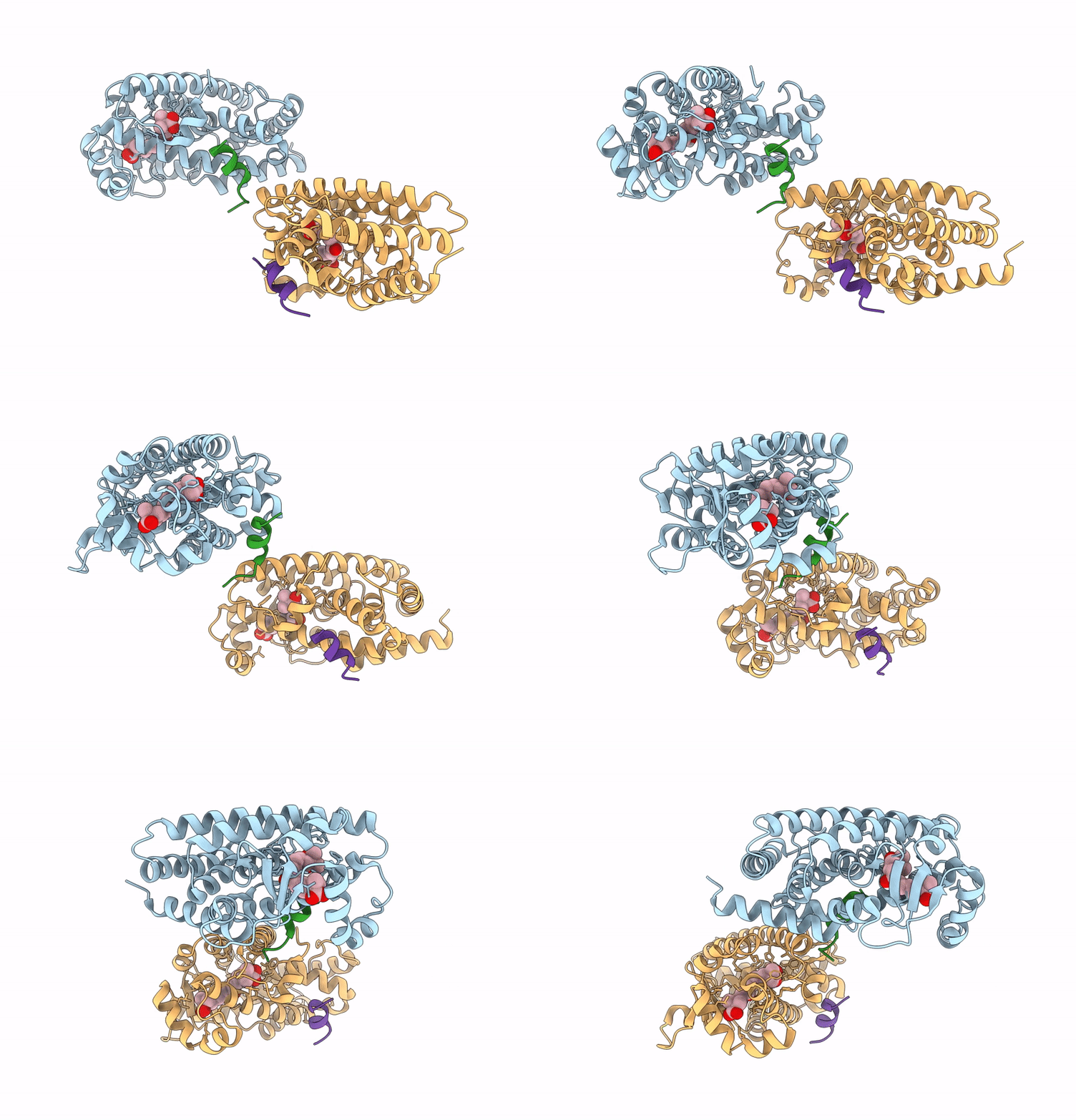
9T5S image
Deposition Date 2025-11-05
Release Date 2025-12-17
Last Version Date 2026-04-22
Entry Detail
PDB ID:
9T5S
Keywords:
Title:
Crystal structure of human PPARalpha in complex with co-activator PGC-1 alpha peptide and bempedoic acid
Biological Source:
Source Organism(s):
Homo sapiens (Taxon ID: 9606)
Expression System(s):
Method Details:
Experimental Method:
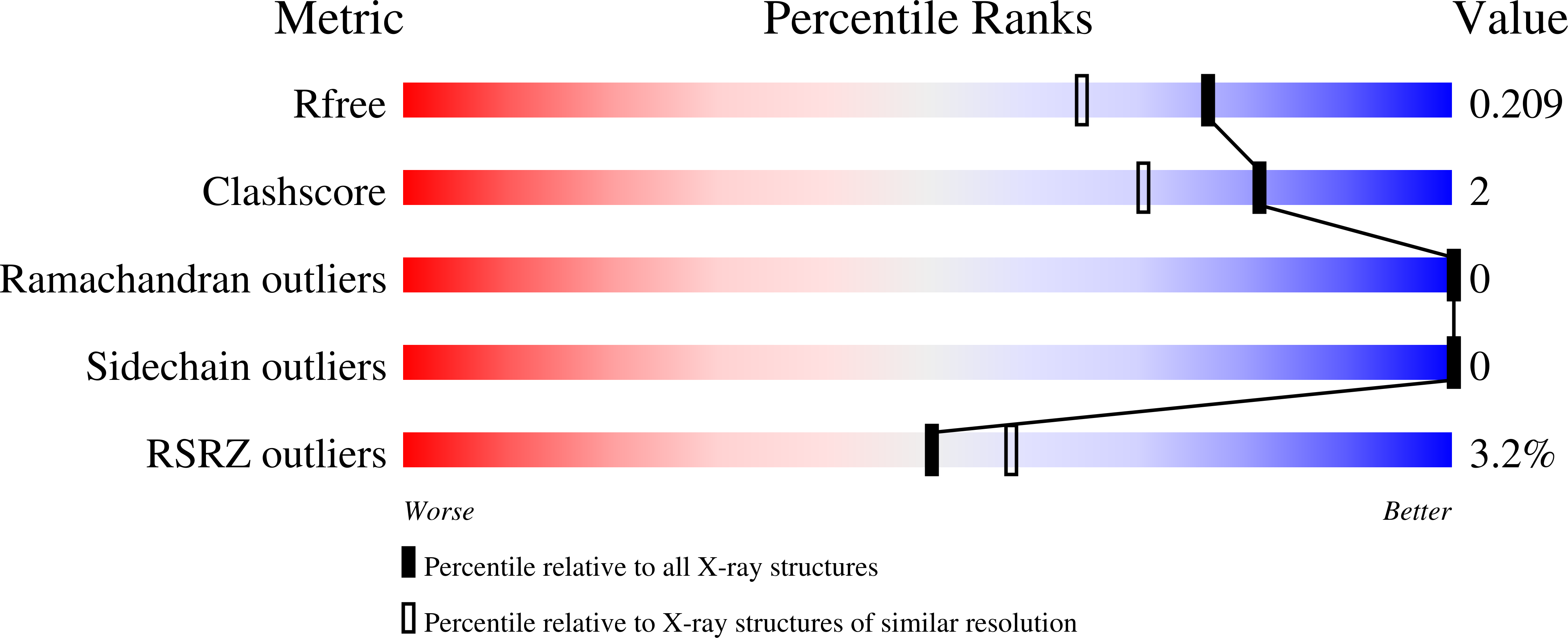
Resolution:
1.74 Å
R-Value Free:
0.21
R-Value Work:
0.17
R-Value Observed:
0.17
Space Group:
P 1 21 1
Macromolecular Entities
Structures with similar UniProt ID
Protein Blast
Polymer Type:polypeptide(L)
Molecule:Peroxisome proliferator-activ
Gene (Uniprot):PPARA
Chain IDs:A, C
Chain Length:290
Number of Molecules:2
Biological Source:Homo sapiens
Structures with similar UniProt ID
Protein Blast
Polymer Type:polypeptide(L)
Molecule:Peroxisome proliferator-activ
Gene (Uniprot):PPARGC1A
Chain IDs:B, D
Chain Length:19
Number of Molecules:2
Biological Source:Homo sapiens
Ligand Molecules
Primary Citation

Abstact

Bempedoic acid (BA) is a recently approved drug that lowers cholesterol and hepatic lipids, yet its mechanism of action remains incompletely understood. Here, we combine transcriptomic, biochemical, and structural approaches to show that BA directly binds to and activates peroxisome proliferator-activated receptor alpha (PPARalpha). BA treatment robustly induced PPARalpha signaling and fatty acid oxidation in primary hepatocytes and mouse liver. Through X-ray crystallography, we uncovered that BA binds to the ligand-binding domain of PPARalpha and stabilizes its active conformation. BA activated PPARalpha target genes independently of very-long-chain acyl-coenzyme A (CoA) synthetase (ACSVL1), the liver-enriched enzyme that converts BA to its bempedoyl-CoA form. Notably, BA-mediated induction of fatty acid oxidation required PPARalpha. Together, this work reveals direct PPARalpha activation as a key mechanism of BA action, providing a molecular basis for its lipid-lowering effects and suggesting broader therapeutic potential beyond the liver.

Legend

Protein

Chemical

Disease

Primary Citation of related structures
Feedback Form
Name
Email
Institute
Feedback