

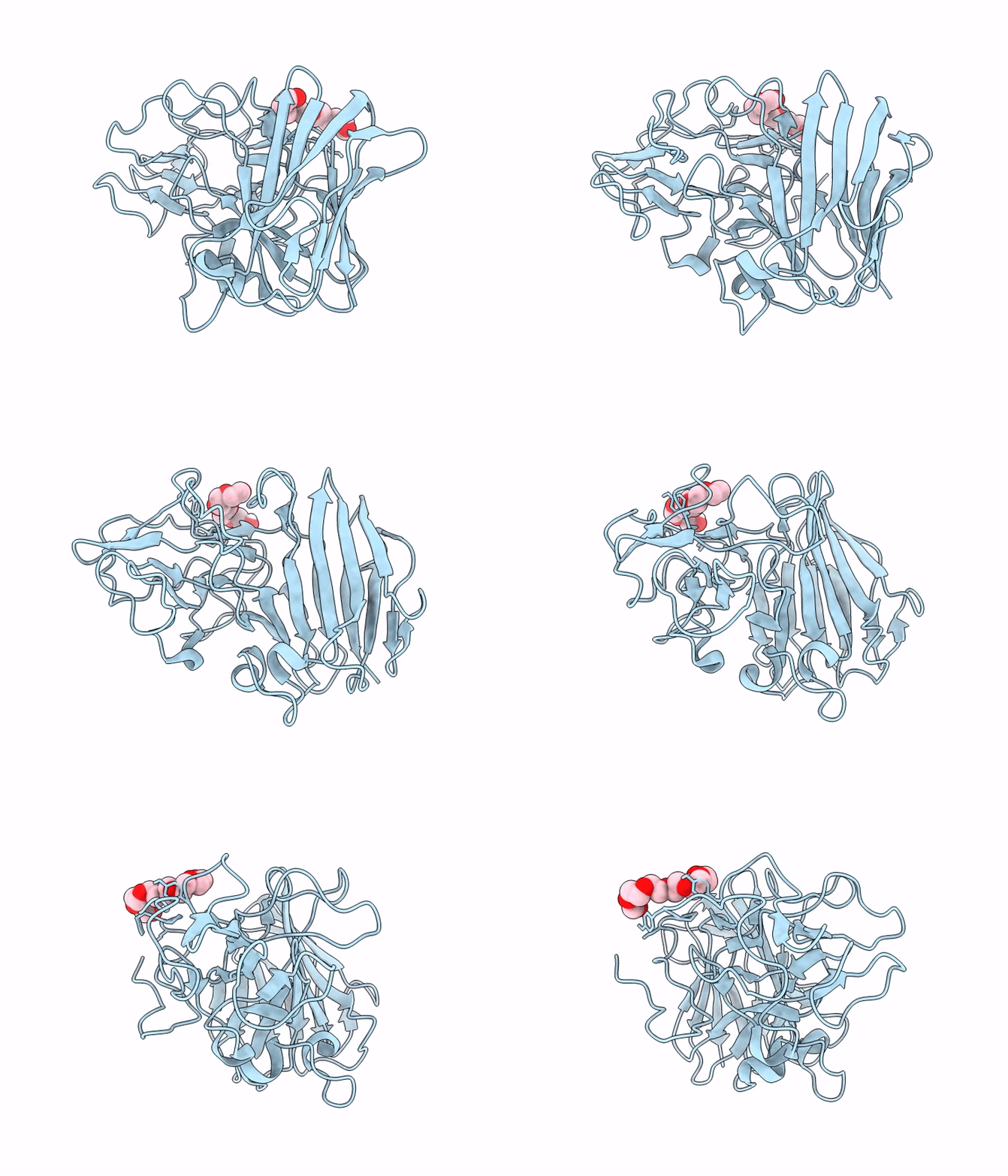
9T4N image
Deposition Date 2025-10-30
Release Date 2026-02-18
Last Version Date 2026-05-20
Entry Detail
PDB ID:
9T4N
Title:
Structure of the Q318A mutant of the SUN4 domain from Saccharomyces cerevisiae
Biological Source:
Source Organism(s):
Expression System(s):
Method Details:
Experimental Method:
Resolution:
1.28 Å
R-Value Free:
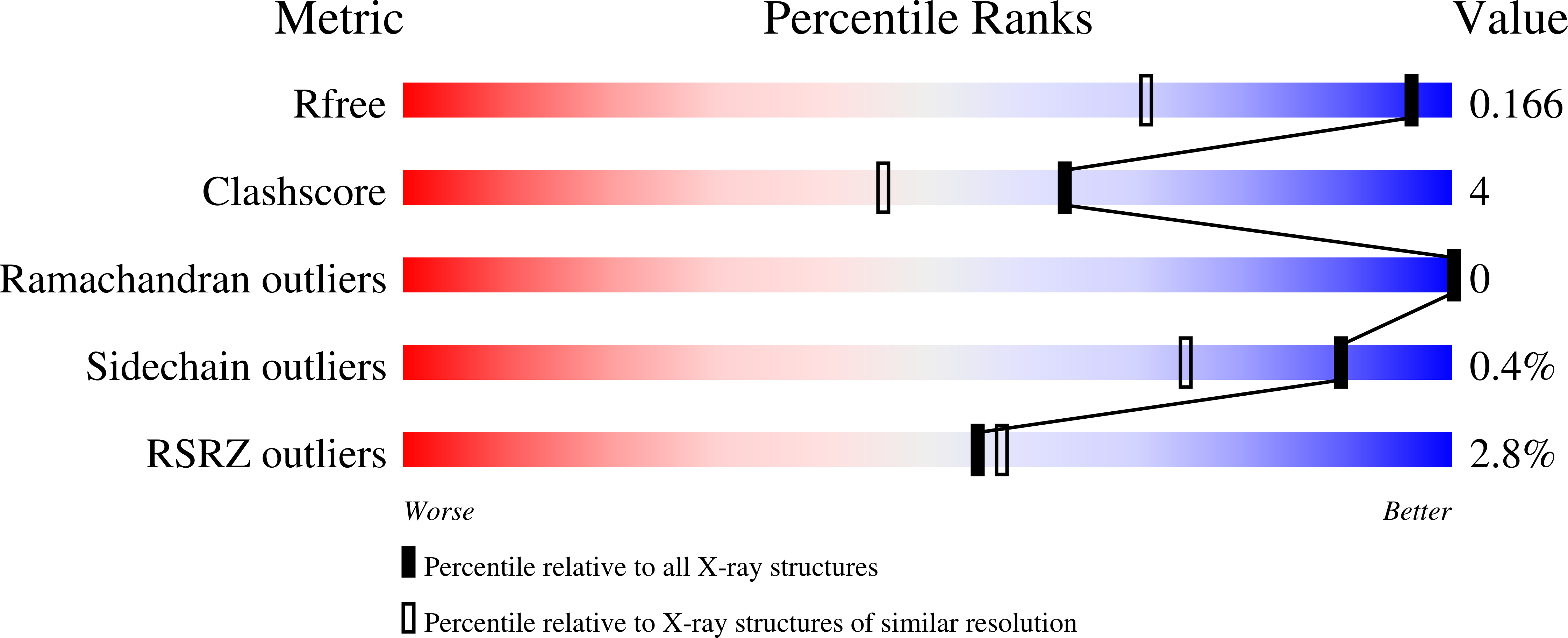
0.16
R-Value Work:
0.14
R-Value Observed:
0.14
Space Group:
I 2 2 2
Macromolecular Entities
Structures with similar UniProt ID
Protein Blast
Polymer Type:polypeptide(L)
Molecule:Probable secreted beta-glucos
Chain IDs:A
Chain Length:295
Number of Molecules:1
Biological Source:Saccharomyces cerevisiae S288C
Primary Citation
Structural evolution of a fungal cell wall protein family for beta-glucan-binding and cell separation.
Mbio ? e0353525 e0353525 (2026)
PMID: 42089631 DOI: 10.1128/mbio.03535-25

Abstact

In fungi, the continuous biosynthesis and remodeling of the cell wall are crucial for growth, division, and development. A hallmark of fungal cell walls is their layered structure, which includes several carbohydrate polymers, such as beta-glucans, and a large number of associated cell wall proteins. The fungal-specific family of SUN domain proteins has been implicated in cell wall remodeling and cell separation, but detailed structure-based analyses revealing precise molecular functions have been lacking until now. In this study, we determined high-resolution crystal structures of the SUN domains from two paralogs of the SUN family in budding yeast. We find that their bilobal architecture consists of a domain with high structural similarity to the Sushi/SCR/CCP domain (INTERPRO family IPR000436), and an intimately associated thaumatin-like domain (IPR001938). Together, these domains form a highly conserved canyon fitted to accommodate both single- and triple-helical beta-glucan polymers. Within this canyon, we identify 12 conserved polar residues that are crucial for the function of SUN domains in mediating cell separation. We further demonstrate that SUN domains are functionally interchangeable between paralogs in budding yeast, as well as between orthologs from budding yeast and phylogenetically distant fission yeast or filamentous fungi. We conclude that the fungal SUN domain family represents a unique class of beta-1,3-glucan-binding proteins involved in cell wall remodeling and separation, whose successful evolution was enabled by the fusion of ancestral sushi- and thaumatin-like domains. IMPORTANCE: Fungal cell walls are dynamic extracellular structures essential for growth and morphogenesis, making them prime targets for antifungal drugs and the host immune system. Although many protein families involved in the synthesis, crosslinking, and degradation of cell wall polymers are known, the molecular functions and structural evolution of most cell wall proteins remain poorly understood. Our in-depth structural, functional, and phylogenetic analysis of the fungal SUN domain protein family sheds light on a central question: how specific protein families have evolved structurally to enable dynamic cell wall remodeling during growth and division. Moreover, this work identifies precise structural targets within the fungal cell wall that could guide the development of novel diagnostics and therapeutics against life-threatening fungal infections.

Legend

Protein

Chemical

Disease

Primary Citation of related structures
Feedback Form
Name
Email
Institute
Feedback