

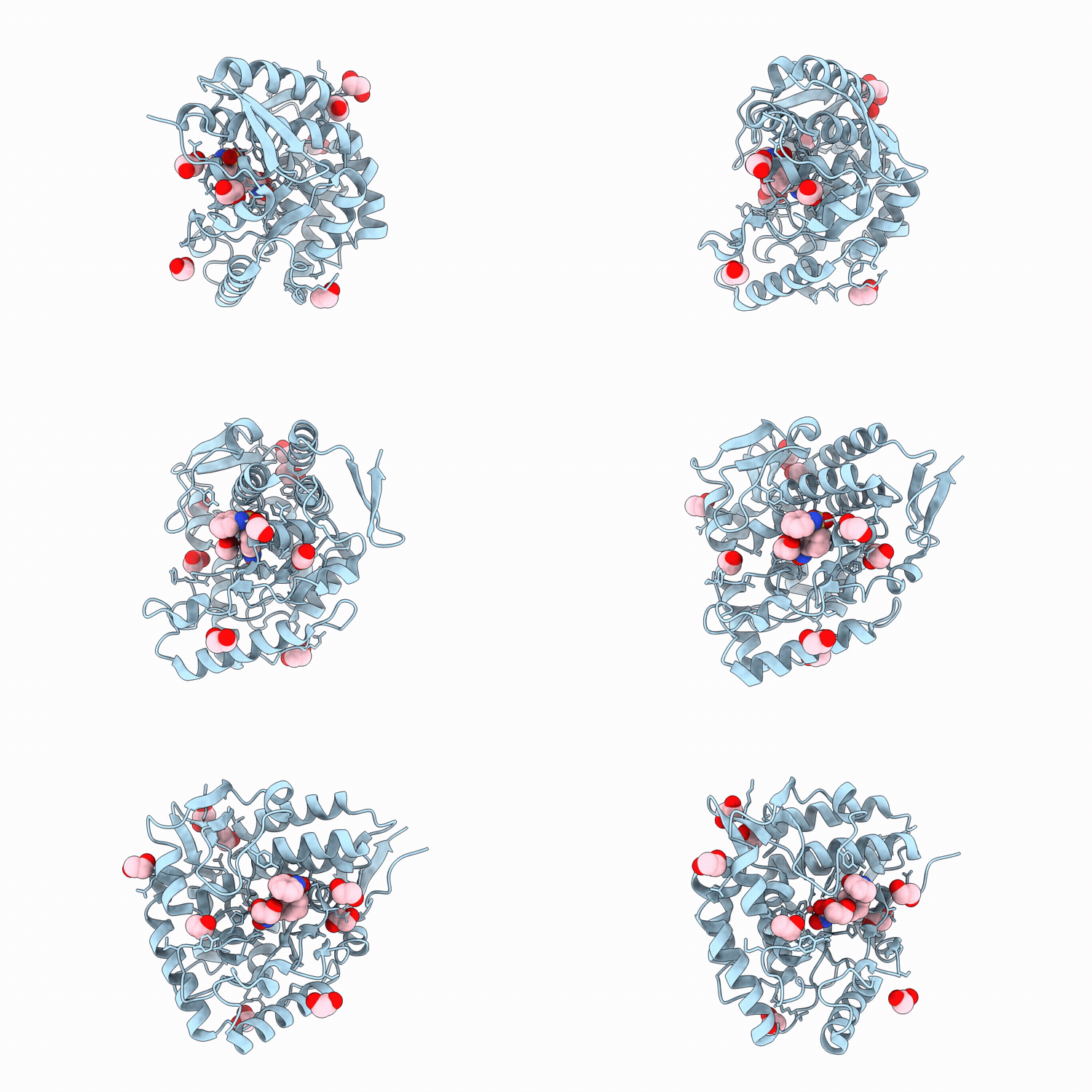
9T1O image
Deposition Date 2025-10-21
Release Date 2026-09-02
Last Version Date 2026-09-02
Entry Detail
PDB ID:
9T1O
Keywords:
Title:
Crystal structure of phenylalanine hydroxylase (PAH) with Belinostat
Biological Source:
Source Organism(s):
Homo sapiens (Taxon ID: 9606)
Expression System(s):
Method Details:
Experimental Method:
Resolution:
1.94 Å
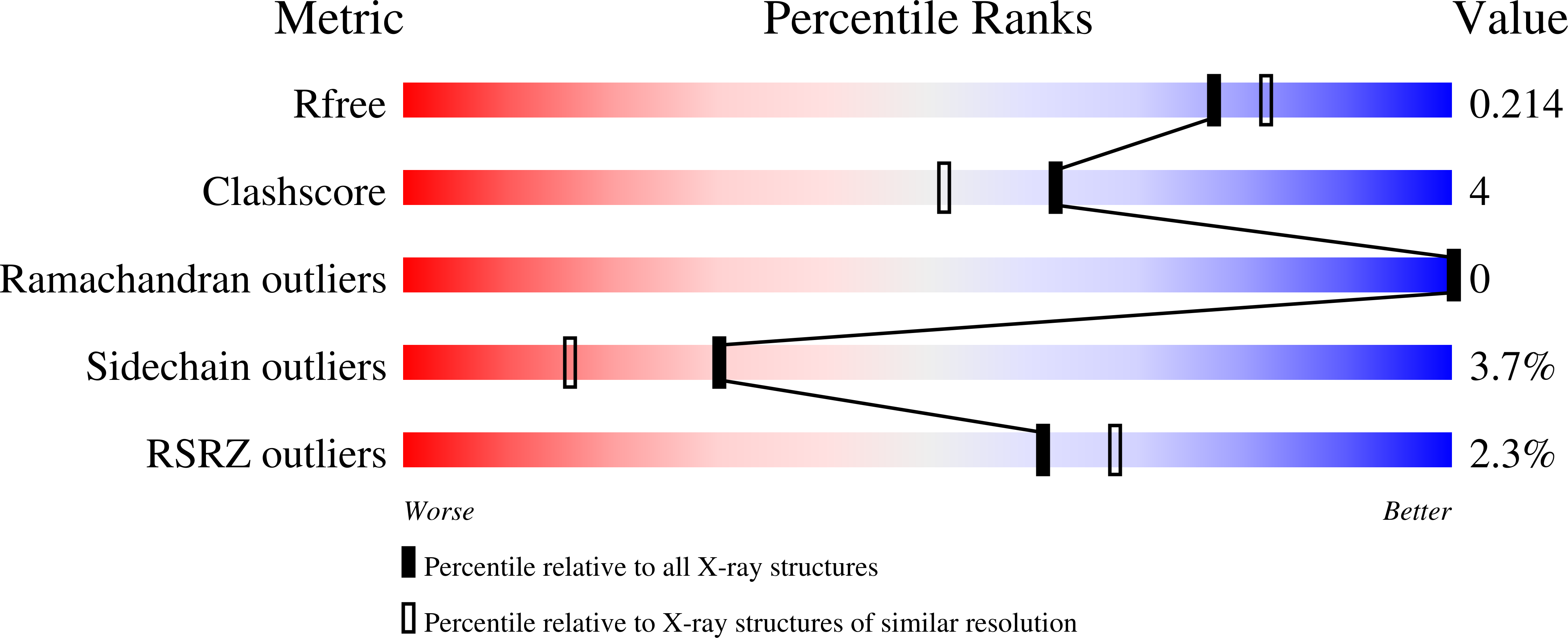
R-Value Free:
0.20
R-Value Work:
0.16
R-Value Observed:
0.16
Space Group:
C 2 2 21
Macromolecular Entities
Polymer Type:polypeptide(L)
Molecule:Phenylalanine-4-hydroxylase
Gene (Uniprot):PAH
Chain IDs:A
Chain Length:309
Number of Molecules:1
Biological Source:Homo sapiens
Primary Citation
Variant-dependent pharmacological rescue of phenylalanine hydroxylase supports a precision therapeutic strategy for phenylketonuria.
Biomed Pharmacother 199 119371 119371 (2026)
PMID: 41990466 DOI: 10.1016/j.biopha.2026.119371

Abstact

Phenylketonuria (PKU) is an inherited metabolic disorder caused by pathogenic variants in phenylalanine hydroxylase (PAH), leading to toxic phenylalanine accumulation and severe neurological complications if untreated. Current pharmacological treatment relies on tetrahydrobiopterin (BH4), which benefits only a subset of patients, highlighting a major unmet need for alternative therapies. Here, we combined high-throughput screening, computational modelling, and drug repurposing to identify pharmacological chaperones capable of rescuing PAH function. We evaluated 26 structurally diverse small molecules in HEK293T cells expressing wild-type PAH or one of eight PKU-associated variants spanning phenotypes from mild to classical disease. Chaperoning efficacy was strongly variant-dependent, and for every variant tested at least one compound produced a greater activity increase than BH4 under identical assay conditions. Notably, belinostat, a clinically approved histone deacetylase inhibitor, emerged as the most effective compound for several clinically severe variants. Mechanistically, functional rescue consistently correlated with an increased population of tetrameric, catalytically competent PAH, as quantified by mass photometry. The crystal structure of the PAH-belinostat complex (PDB ID: 9T1O), together with structural models for all compounds, provide a framework for rational optimization. These results establish a preclinical proof-of-concept for genotype-guided pharmacological chaperone therapy in PKU and support the feasibility of personalized, variant-specific treatment strategies.

Legend

Protein

Chemical

Disease

Primary Citation of related structures
Feedback Form
Name
Email
Institute
Feedback