

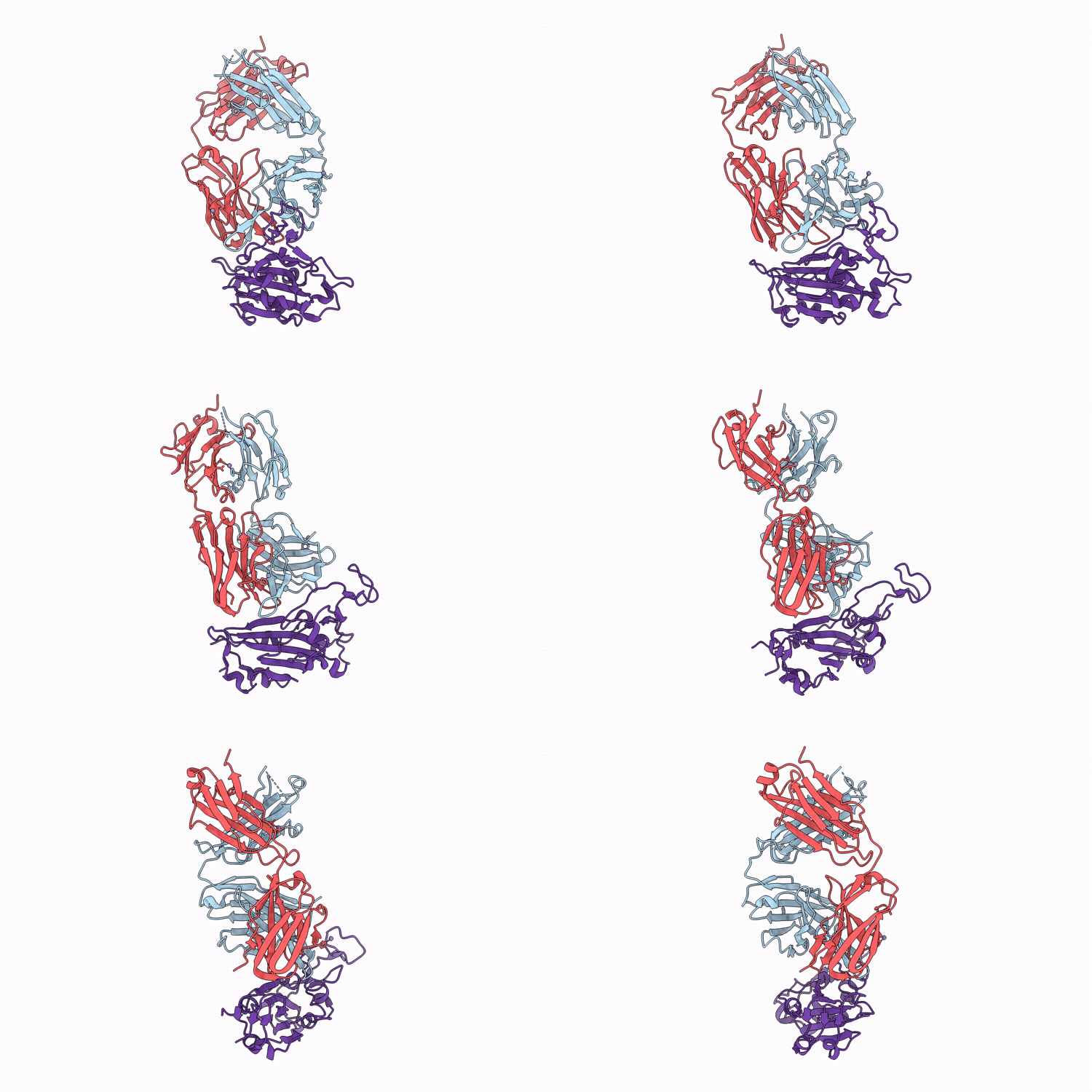
9SAT image
Deposition Date 2025-08-07
Release Date 2026-03-18
Last Version Date 2026-04-01
Entry Detail
PDB ID:
9SAT
Keywords:
Title:
Monoclonal Antibodies from COVID-19 Convalescent Patients Target Cryptic Epitopes for Universal SARS-CoV-2 Neutralization
Biological Source:
Expression System(s):
Method Details:
Experimental Method:
Resolution:
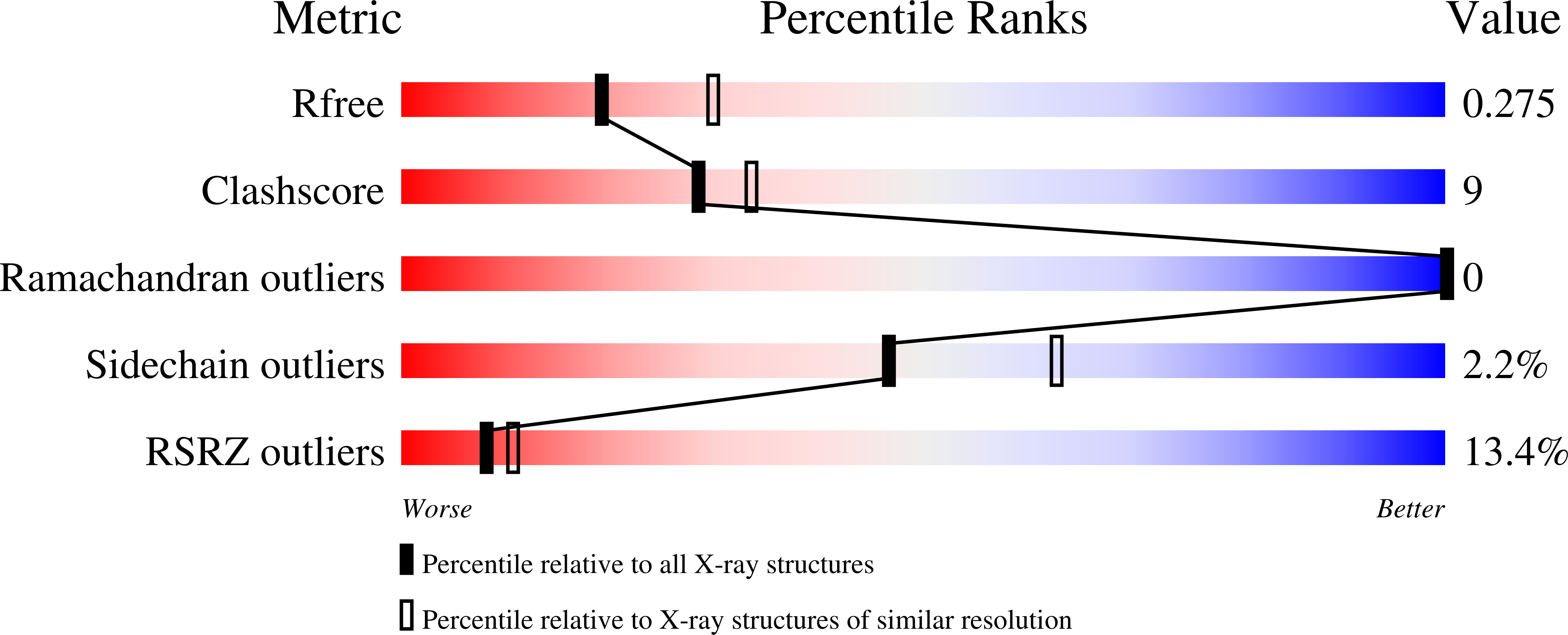
2.56 Å
R-Value Free:
0.27
R-Value Work:
0.23
R-Value Observed:
0.23
Space Group:
I 21 21 21
Macromolecular Entities
Protein Blast
Polymer Type:polypeptide(L)
Molecule:TAU-1109 Fab Heavy Chain
Chain IDs:A (auth: H)
Chain Length:225
Number of Molecules:1
Biological Source:Homo sapiens
Protein Blast
Polymer Type:polypeptide(L)
Molecule:TAU-1109 Fab Light Chain
Chain IDs:B (auth: L)
Chain Length:216
Number of Molecules:1
Biological Source:Homo sapiens
Structures with similar UniProt ID
Protein Blast
Polymer Type:polypeptide(L)
Molecule:Spike protein S1
Gene (Uniprot):S
Chain IDs:C (auth: R)
Chain Length:266
Number of Molecules:1
Biological Source:Severe acute respiratory syndrome coronavirus 2
Ligand Molecules
Primary Citation
Monoclonal antibodies from COVID-19 convalescent patients target cryptic epitopes for broad SARS-CoV-2 neutralization.
Proc. Natl. Acad. Sci. U.S.A. 123 e2523864123 e2523864123 (2026)
PMID: 41880581 DOI: 10.1073/pnas.2523864123

Abstact

The COVID-19 pandemic, which has resulted in over seven million global fatalities, poses a substantial threat to public health and precipitated a global economic crisis. Emerging variants of concern (VOCs) with enhanced transmissibility and improved immune evasion may compromise the efficacy of current antiviral and immunotherapies, necessitating comprehensive investigations into the immune response to SARS-CoV-2. The conformational dynamics of the receptor binding domain in SARS-CoV-2 spike and the presentation of neutralizing antibody epitopes influence viral transmission and infection rates. In this study, we have identified highly conserved non-receptor-binding motif epitopes for two potent monoclonal antibodies (mAbs), TAU-1109 and TAU-2310, isolated from convalescent human patients, which contribute to the broad neutralizing activity of these mAbs against all the circulating VOCs, including the recently emerged Omicron subvariants. We employed high-resolution structural data in conjunction with systematic biochemical investigation to elucidate the neutralization mechanism of TAU-1109 and TAU-2310. The mechanism involves antibody-mediated destabilization of the spike trimer, resulting in the premature shedding of the S1 subunit and rendering the spike incapable of mediating host cell entry. The identification of conserved cryptic epitopes in our study advances the mechanistic understanding of immune response against SARS-CoV-2, providing alternative avenues for the development of universal therapeutic antibodies and vaccines to combat COVID-19.

Legend

Protein

Chemical

Disease

Primary Citation of related structures
Feedback Form
Name
Email
Institute
Feedback