

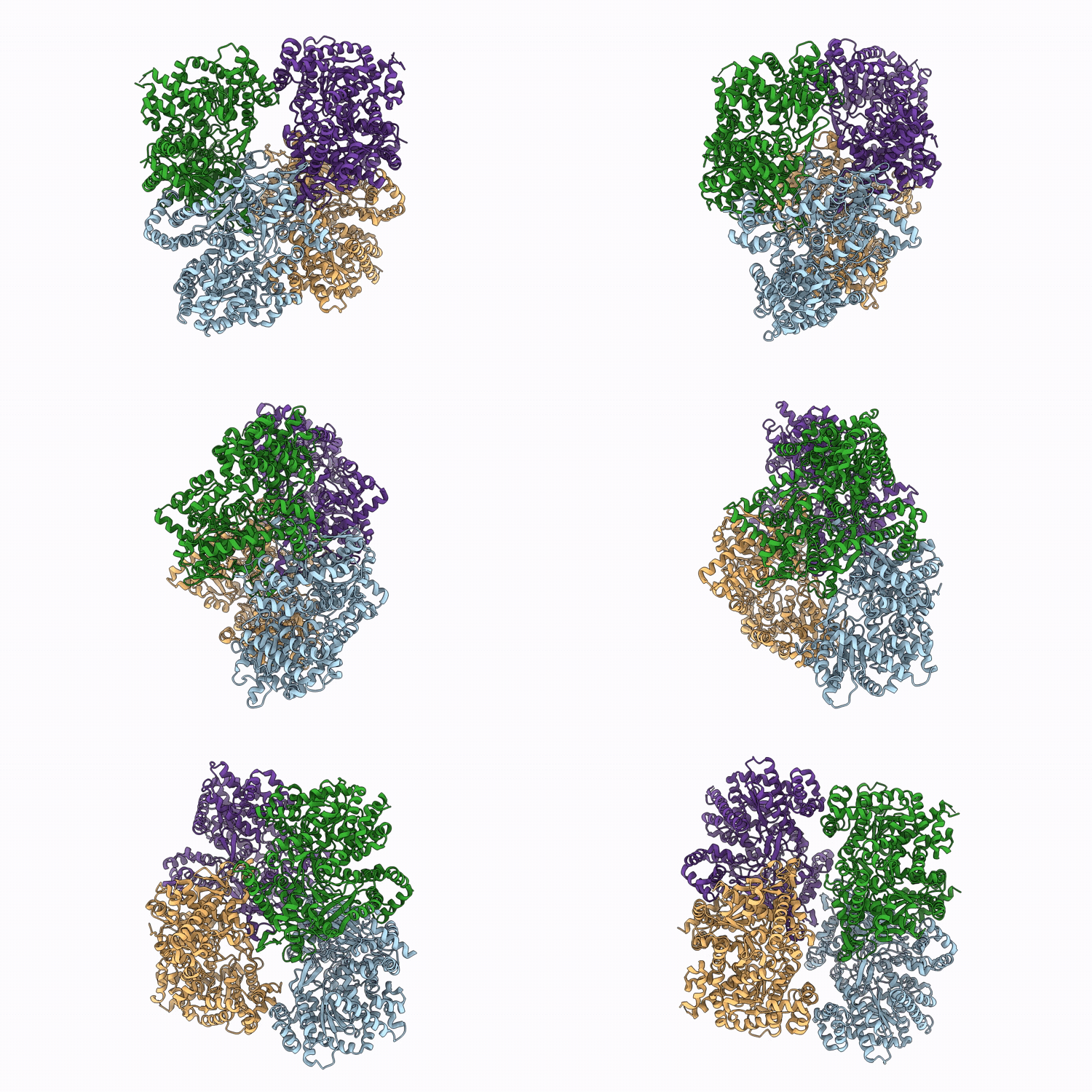
9S86 image
Deposition Date 2025-08-05
Release Date 2026-04-08
Last Version Date 2026-05-13
Entry Detail
PDB ID:
9S86
Keywords:
Title:
Structure of glycogen phosphorylase - tetrameric form - from Escherichia coli
Biological Source:
Source Organism(s):
Escherichia coli (Taxon ID: 562)
Expression System(s):
Method Details:
Experimental Method:
Resolution:
2.00 Å
Aggregation State:
PARTICLE
Reconstruction Method:
SINGLE PARTICLE
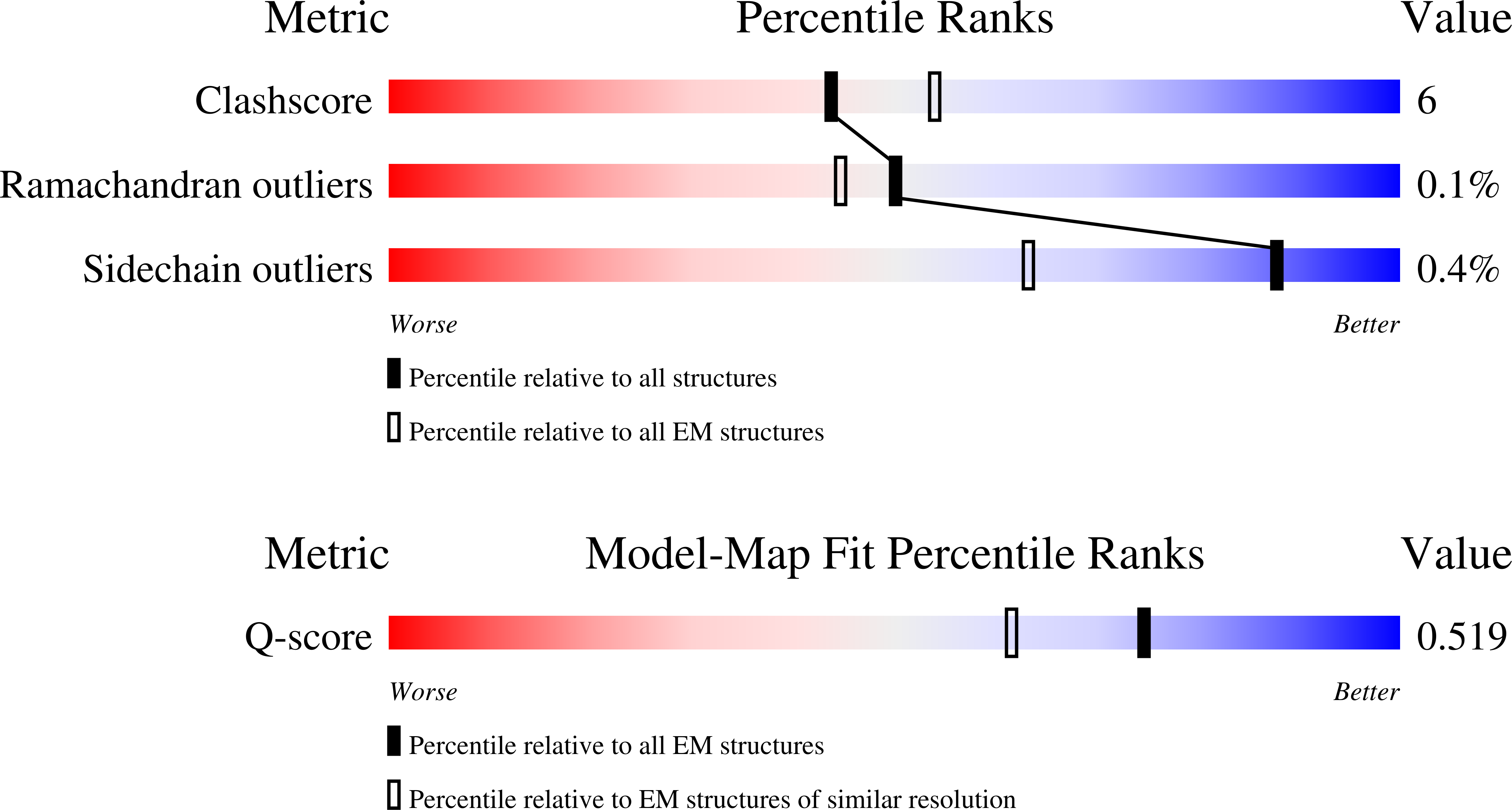
Macromolecular Entities
Structures with similar UniProt ID
Protein Blast
Polymer Type:polypeptide(L)
Molecule:Glycogen phosphorylase
Gene (Uniprot):glgP
Chain IDs:A, B, C, D
Chain Length:832
Number of Molecules:4
Biological Source:Escherichia coli
Modified Residue
Compound ID Chain ID Parent Comp ID Details 2D Image
LLP A LYS modified residue
Ligand Molecules
Primary Citation
Structural basis for phosphorylation and allosteric regulation of bacterial glycogen phosphorylase by histidine phosphocarrier protein.
Nat Commun ? ? ? (2026)
PMID: 42045210 DOI: 10.1038/s41467-026-71729-w

Abstact

Protein phosphorylation is a universal regulatory mechanism, controlling virtually all aspects of bacterial physiology and pathogenesis, yet histidine phosphorylation remains among the least understood. The histidine phosphocarrier protein HPr not only drives bacterial glucose transmembrane uptake through the phosphotransferase system (PTS), but also controls key enzymes for central carbon metabolism, including glycogen phosphorylase (GP). Here we report cryoEM structures of multimeric Escherichia coli (Ec)GP and their complexes with (Ec)HPr. The EM maps reveal an unanticipated density at H806 of (Ec)GP, consistent with histidine phosphorylation within a histidine-rich pocket at the N-terminal domain. Enzymatic assays reveal that (Ec)HPr transfers a phosphoryl group to the N1 position of a histidine residue in (Ec)GP. Through an integrative structural, mutational and functional approach, we uncover the molecular basis of (Ec)HPr- (Ec)GP selectivity and define the allosteric mechanism by which (Ec)HPr regulates (Ec)GP. We establish histidine phosphorylation as a mechanism of GP regulation, expanding the traditional paradigm of glycogen metabolism control in bacteria.

Legend

Protein

Chemical

Disease

Primary Citation of related structures
Feedback Form
Name
Email
Institute
Feedback