

9S3N image
Deposition Date 2025-07-24
Release Date 2026-03-04
Last Version Date 2026-03-11
Entry Detail
PDB ID:
9S3N
Keywords:
Title:
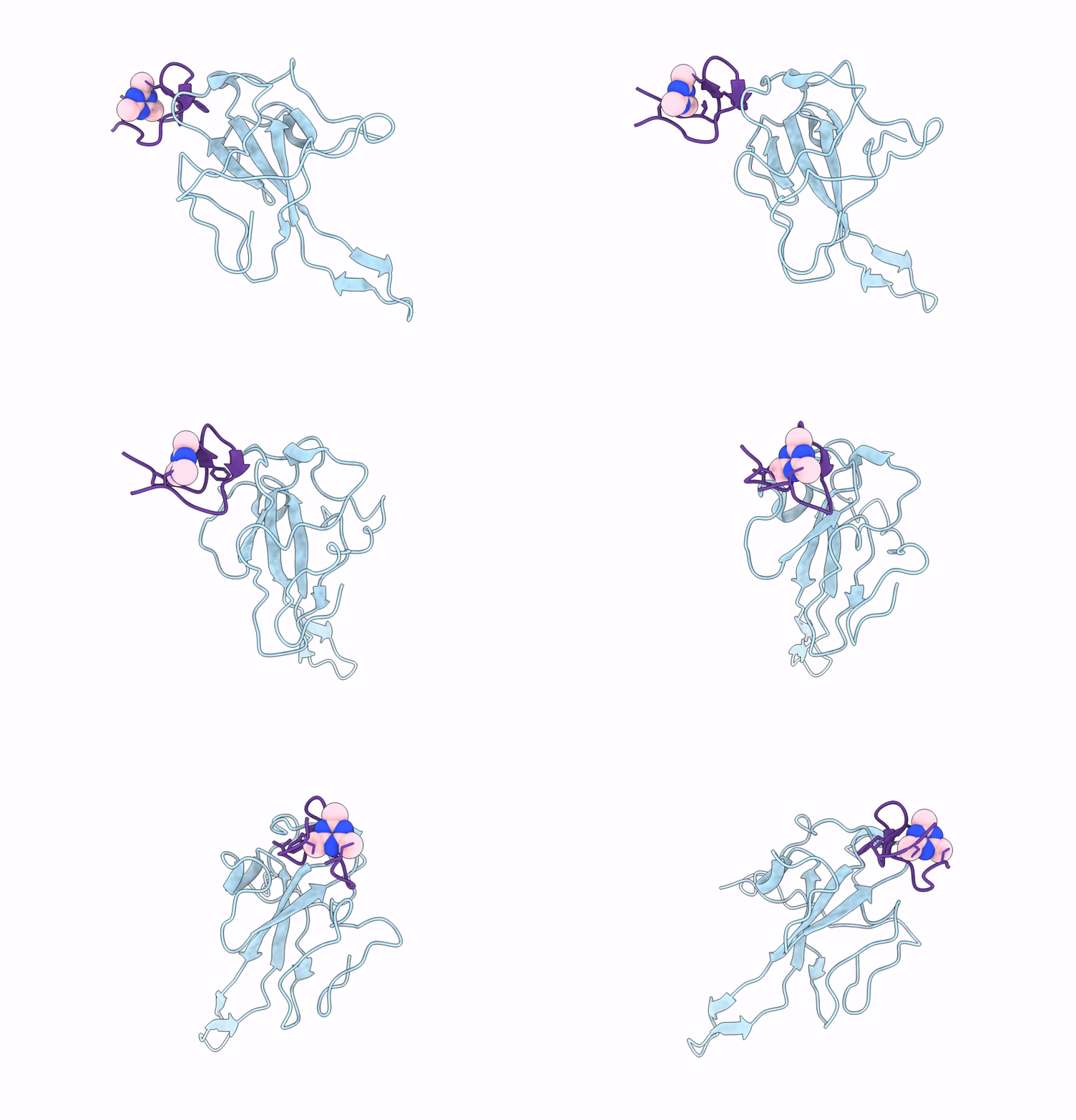
SARS-CoV-2 nucleocapsid N/C-terminal domain in complex with BCY17628
Biological Source:
Source Organism(s):
Expression System(s):
Method Details:
Experimental Method:
Resolution:
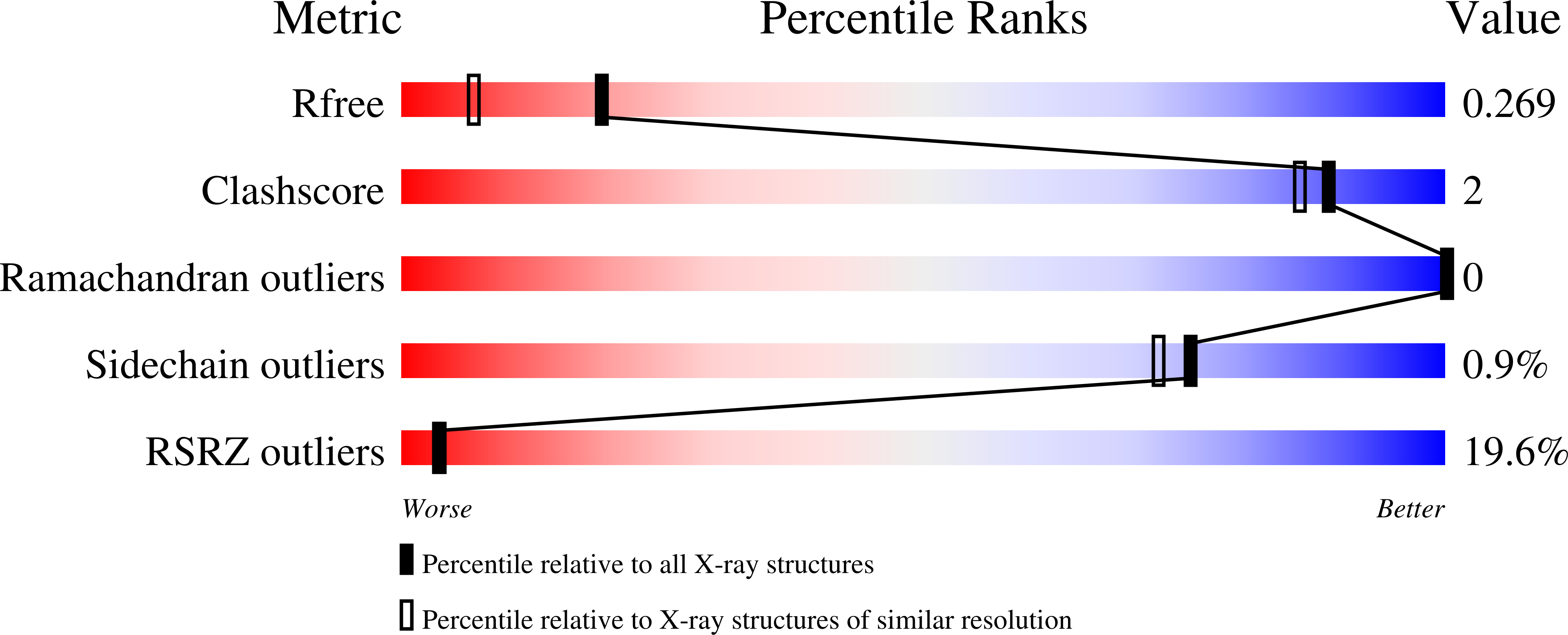
1.93 Å
R-Value Free:
0.26
R-Value Work:
0.24
R-Value Observed:
0.24
Space Group:
P 43 21 2
Macromolecular Entities
Structures with similar UniProt ID
Protein Blast
Polymer Type:polypeptide(L)
Molecule:Nucleoprotein
Gene (Uniprot):N
Chain IDs:A (auth: B)
Chain Length:130
Number of Molecules:1
Biological Source:Homo sapiens
Protein Blast
Polymer Type:polypeptide(L)
Molecule:BCY17628
Chain IDs:B (auth: C)
Chain Length:17
Number of Molecules:1
Biological Source:synthetic construct
Ligand Molecules
Primary Citation

Abstact

Constrained bicyclic peptides (Bicycle molecules) with high affinity for biological targets have emerged as potentially powerful therapeutic agents, particularly for the in vivo targeting of cancer receptors. However, their antibody-mimetic properties have yet to be explored for use in diagnostic immunoassays. These synthetically derived compounds serve as biorecognition scaffolds that allow for facile site-selective modification and large-scale production. A phage display screen against various constructs of the SARS-CoV-2 nucleocapsid (N) protein identified several Bicycle molecules with binding affinities ranging from the micromolar to the low nanomolar range. These Bicycle molecules were validated in the development of enzyme- and nanozyme-linked immunosorbent assays, as well as enzymatic and colorimetric nanoparticle-based lateral flow immunoassays (LFIA) for the detection of ultralow concentrations of the SARS-CoV-2 N protein. We envision that these moieties enable robust, cost-effective, and large-scale development of ultrasensitive biosensors for a diverse range of biomarkers by leveraging their high binding affinity, minimalistic scaffold, and synthetic accessibility.

Legend

Protein

Chemical

Disease

Primary Citation of related structures
Feedback Form
Name
Email
Institute
Feedback