

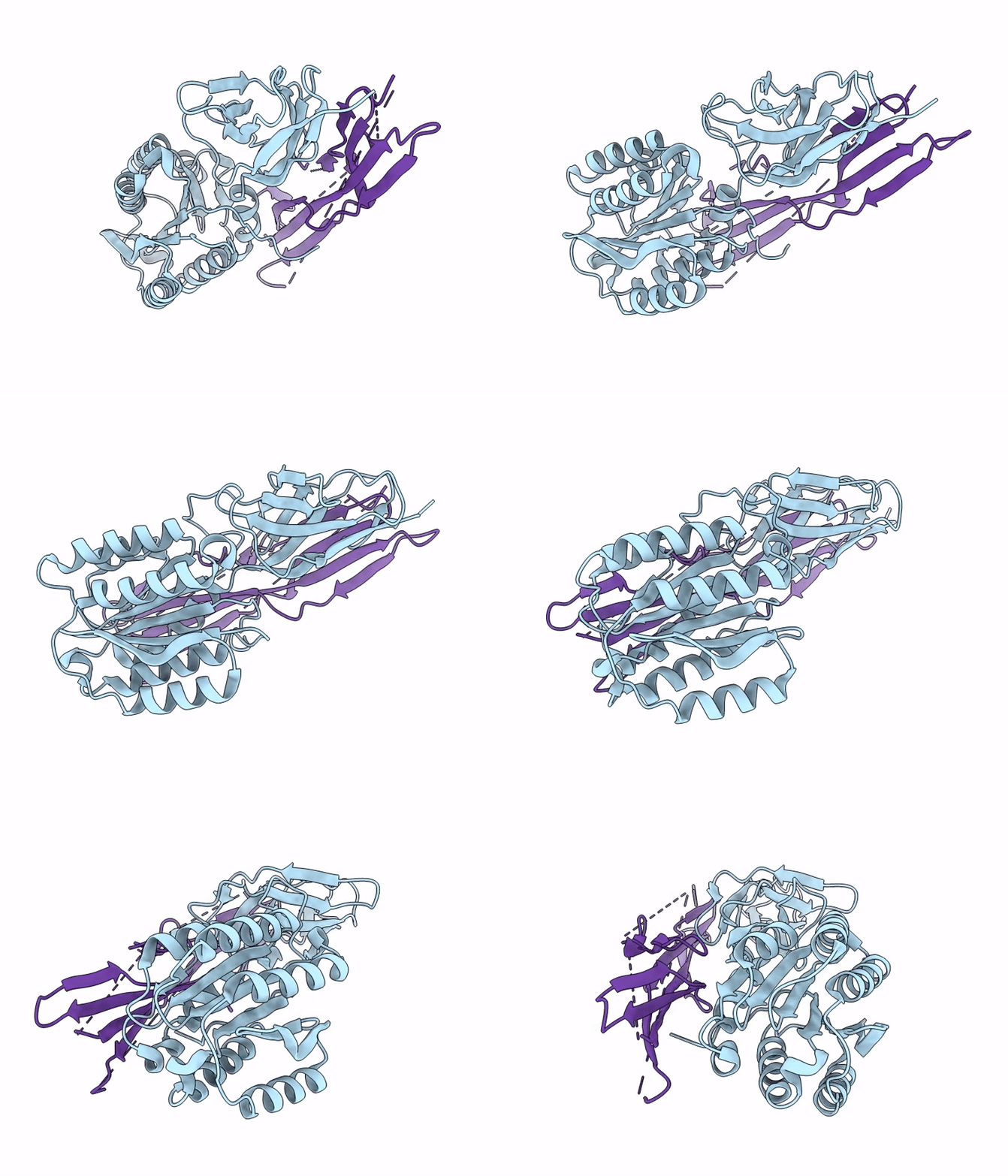
9RT4 image
Deposition Date 2025-07-02
Release Date 2026-02-18
Last Version Date 2026-09-09
Entry Detail
PDB ID:
9RT4
Keywords:
Title:
NetF - ANTXR2 local refinement focused
Biological Source:
Source Organism(s):
Expression System(s):
Method Details:
Experimental Method:
Resolution:
2.60 Å
Aggregation State:
PARTICLE
Reconstruction Method:
SINGLE PARTICLE
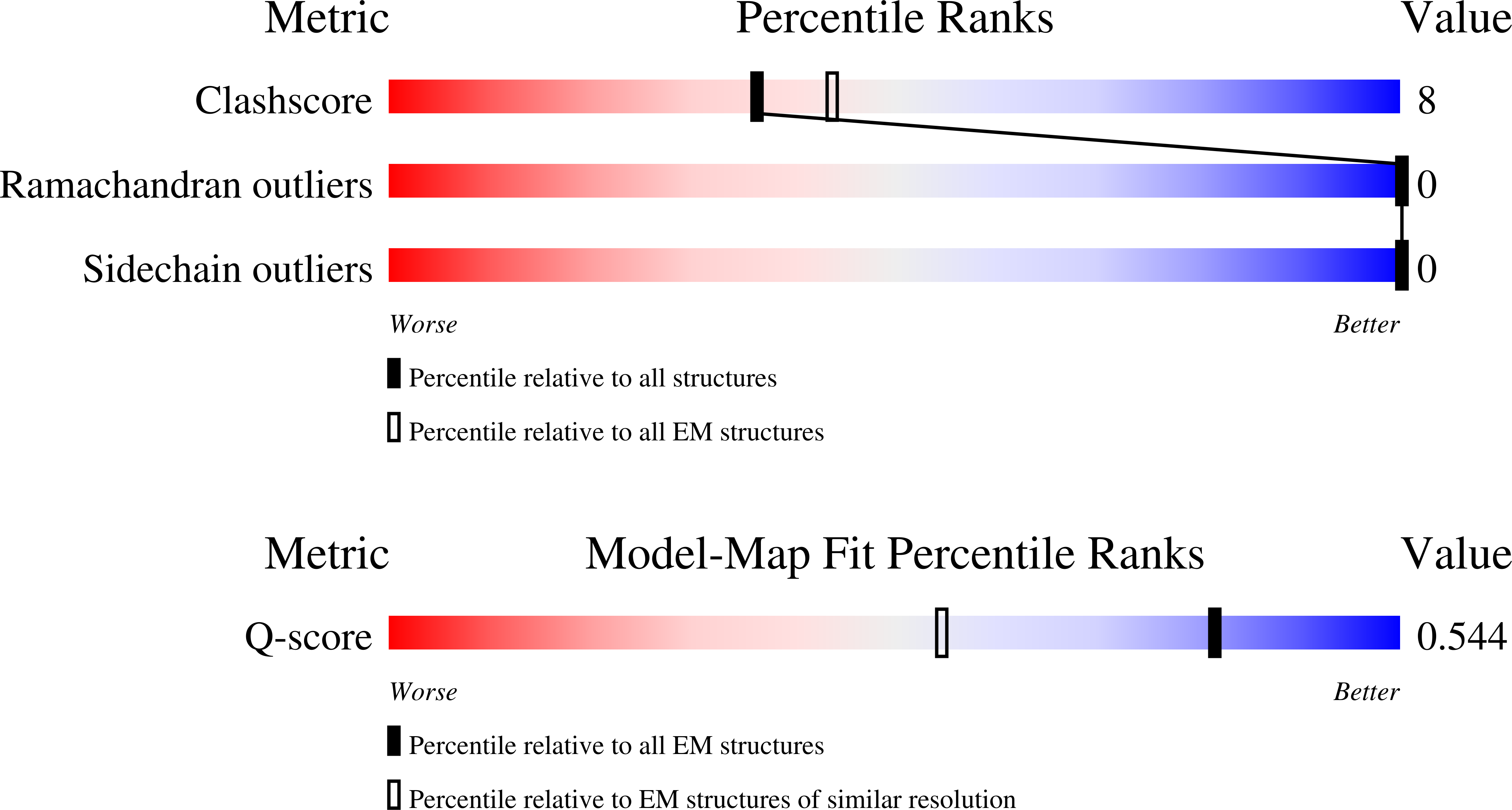
Macromolecular Entities
Polymer Type:polypeptide(L)
Molecule:Anthrax toxin receptor 2
Gene (Uniprot):ANTXR2
Chain IDs:A (auth: C1)
Chain Length:356
Number of Molecules:1
Biological Source:Homo sapiens
Polymer Type:polypeptide(L)
Molecule:Leukocidin/Hemolysin toxin fa
Gene (Uniprot):netF
Chain IDs:B (auth: N2)
Chain Length:289
Number of Molecules:1
Biological Source:Clostridium perfringens
Ligand Molecules
Primary Citation
Identification and structural characterization of anthrax toxin receptor 2 as the Clostridium perfringens NetF receptor.
Nat Commun 17 ? ? (2026)
PMID: 41690915 DOI: 10.1038/s41467-026-69526-6

Abstact

Hemolysin beta-pore-forming toxins (betaPFTs) are key virulence factors of Clostridium perfringens, associated with severe diseases in humans and animals. Yet, the mechanisms by which Clostridium betaPFTs recognize and engage specific target cells remain poorly understood. Here, we identify the cellular receptor for C. perfringens necrotizing enteritis toxin F (NetF), a recently discovered toxin implicated in severe enteritis in dogs and foals. We show that NetF binds to the same receptor as anthrax toxin, namely ANTXR2. Using cryo-electron microscopy, we determined the structure of the oligomeric NetF pre-pore as well as the transmembrane pore, both alone and in complex with the extracellular domain of ANTXR2. Unlike anthrax toxin, which binds to the apical MIDAS motif of ANTXR2 - as does the natural ANTXR2 ligand collagen type VI - NetF engages the receptor laterally, spanning both the von Willebrand A and the Ig-like domains. This interaction positions the toxin near the membrane, facilitating contact with membrane lipids and promoting transmembrane pore formation. Our findings uncover key principles of hemolysin betaPFT-receptor recognition and advance our understanding of how pathogenic bacteria use these toxins to breach host defenses.

Legend

Protein

Chemical

Disease

Primary Citation of related structures
Feedback Form
Name
Email
Institute
Feedback