

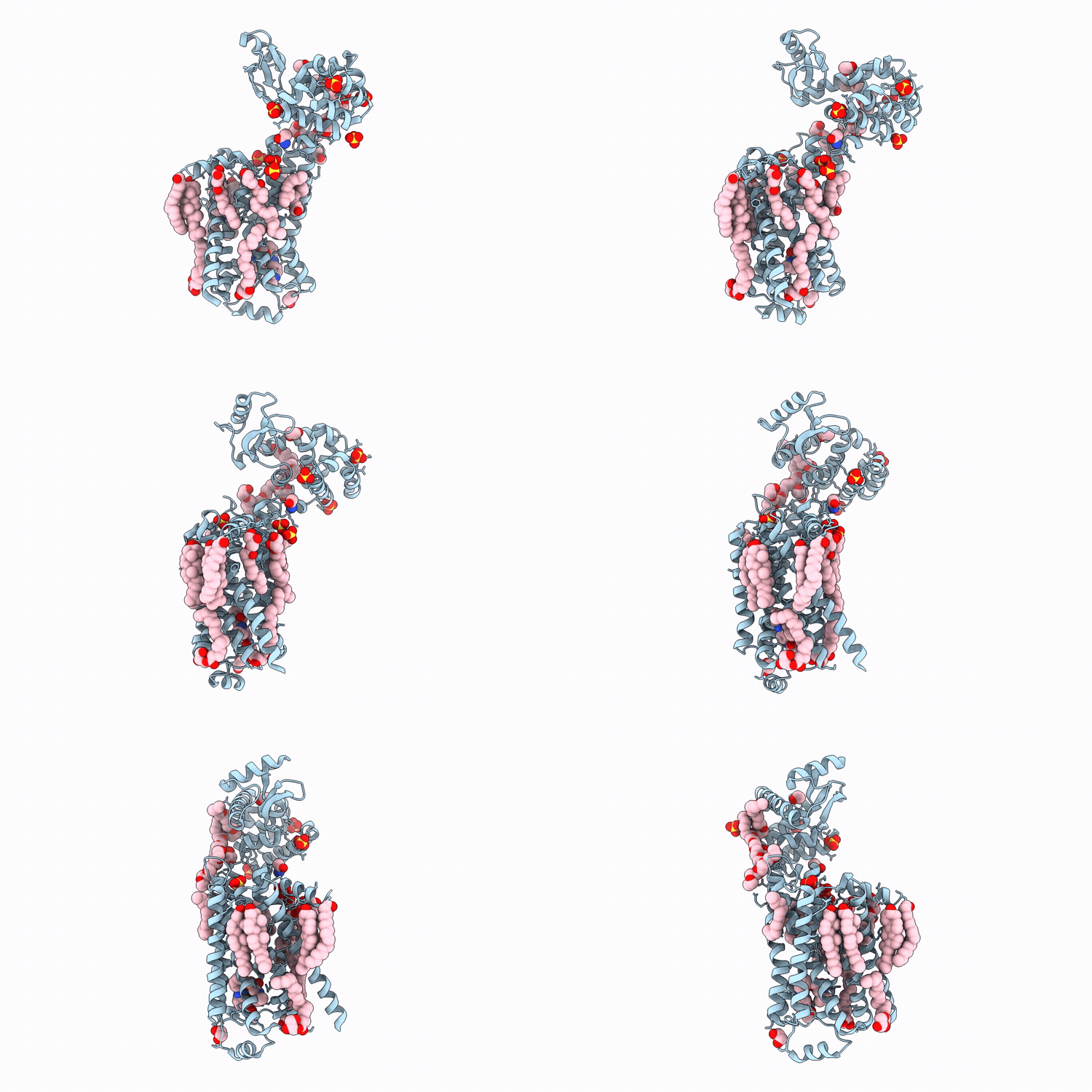
9RKI image
Deposition Date 2025-06-13
Release Date 2026-04-22
Last Version Date 2026-05-06
Entry Detail
PDB ID:
9RKI
Title:
Mixed model refinement of beta-2 Adrenergic receptor with photoazolol in dark state and Light state, 17 nanoseconds after light activation, recorded at LCLS
Biological Source:
Source Organism(s):
Homo sapiens (Taxon ID: 9606)
Tequatrovirus T4 (Taxon ID: 10665)
Expression System(s):
Method Details:
Experimental Method:
Resolution:
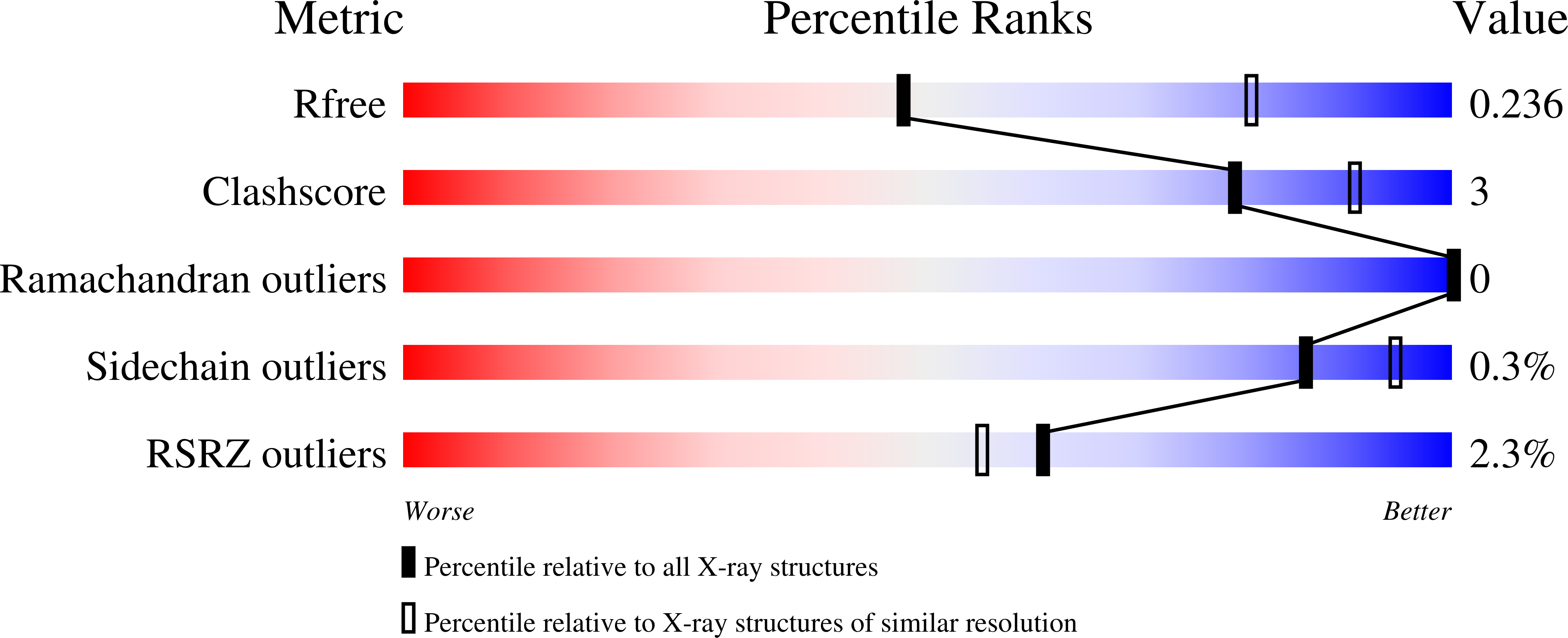
2.60 Å
R-Value Free:
0.23
R-Value Work:
0.19
Space Group:
C 1 2 1
Macromolecular Entities
Structural Superimposition Protein Blast
Polymer Type:polypeptide(L)
Molecule:Beta-2 adrenergic receptor,En
Gene (Uniprot):E, ADRB2
Chain IDs:A
Chain Length:442
Number of Molecules:1
Biological Source:Homo sapiens, Tequatrovirus T4
Primary Citation

Abstact

The field of photopharmacology develops light-responsive drugs that can modulate protein activity, enabling precise and dynamic investigations of their roles in health and disease. Adrenergic receptors are prominent targets for this approach because they are prototypical G protein-coupled receptors with high clinical relevance in bronchial and cardiovascular diseases. Here, we employed the azobenzene-based compound photoazolol-1 in combination with time-resolved serial crystallography at X-ray free-electron lasers to resolve the molecular mechanisms by which photoswitchable beta-blockers modulate activity of the beta(2)-adrenoceptor (beta(2)AR). Time-resolved structures of the receptor bound to trans-photoazolol-1 (pre-photoconversion), a strained intermediate in the nanosecond range, and the fully photoisomerized cis-photoazolol-1 reveal how isomerization of the azobenzene moiety induces distinct conformational changes within the orthosteric ligand binding pocket. Within seconds, light-excited photoazolol-1 adopts a new binding pose, altering interactions with extracellular loop 2 and shifting the positions of transmembrane helices 5, 6, and 7. Functional assays of beta(2)AR in cellular membranes show that photoazolol-1 acts as an efficacy photoswitch, changing from an inverse agonist to a neutral antagonist upon isomerization without leaving the binding pocket. In combination, these findings suggest a molecular mechanism for activity modulation via efficacy photoswitches and provide a framework for designing ligands that exploit light-driven transitions within the binding pocket to achieve spatiotemporal control of receptor function.

Legend

Protein

Chemical

Disease

Primary Citation of related structures
Feedback Form
Name
Email
Institute
Feedback