

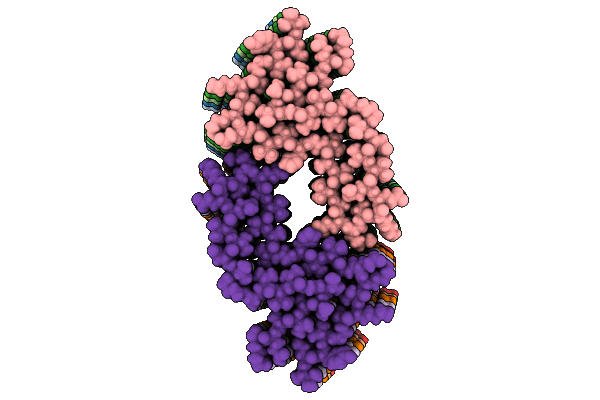
9RBA image
Deposition Date 2025-05-21
Release Date 2026-03-11
Last Version Date 2026-03-11
Entry Detail
PDB ID:
9RBA
Keywords:
Title:
Wild-type alpha-synuclein fibril - Type 4
Biological Source:
Source Organism(s):
Homo sapiens (Taxon ID: 9606)
Expression System(s):
Method Details:
Experimental Method:
Resolution:
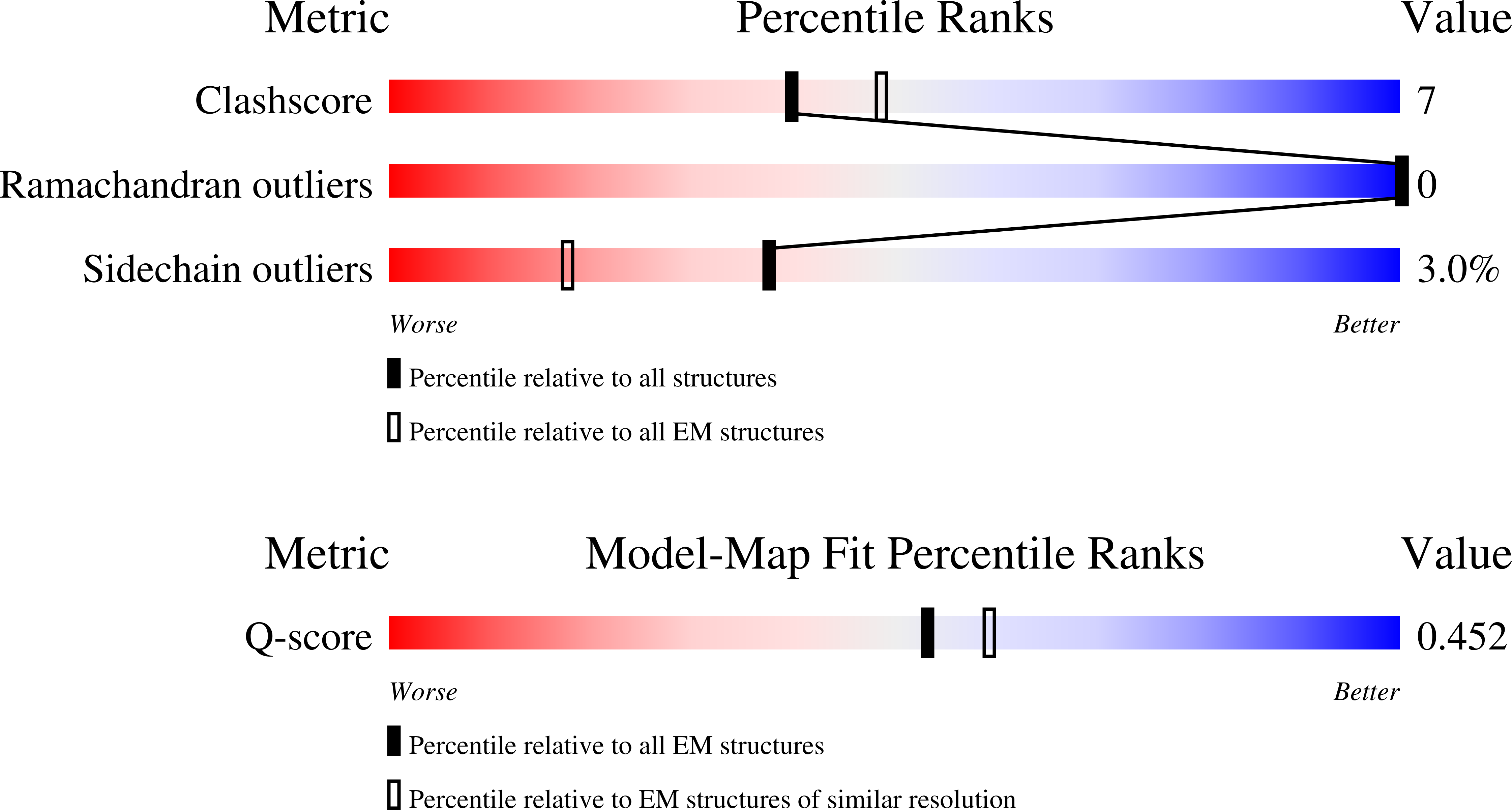
3.54 Å
Aggregation State:
FILAMENT
Reconstruction Method:
HELICAL
Macromolecular Entities
Structures with similar UniProt ID
Protein Blast
Polymer Type:polypeptide(L)
Molecule:Alpha-synuclein
Gene (Uniprot):SNCA
Chain IDs:A (auth: C), B (auth: A), C (auth: B), D, E, F, G, H, I, J
Chain Length:140
Number of Molecules:10
Biological Source:Homo sapiens
Ligand Molecules
Primary Citation
Stochastic misfolding drives the emergence of distinct alpha-synuclein strains.
Neuron ? ? ? (2026)
PMID: 41763203 DOI: 10.1016/j.neuron.2026.01.014

Abstact

alpha-Synuclein conformational strains provide a potential explanation for the clinical and pathological differences among synucleinopathies such as Parkinson's disease and multiple system atrophy. However, how distinct alpha-synuclein strains arise remains unknown. Here, we observed conformational heterogeneity between individual preparations of alpha-synuclein pre-formed fibrils (PFFs) generated by polymerizing wild-type or A53T-mutant human alpha-synuclein under identical conditions. Moreover, we found that alpha-synuclein aggregates formed spontaneously in the brains of a transgenic synucleinopathy mouse model are conformationally diverse. Propagation of stochastically formed PFF- and brain-derived alpha-synuclein strains in mice initiated several distinct synucleinopathies. The conformational diversity of alpha-synuclein aggregates across PFF preparations and between individual mice demonstrates that alpha-synuclein can spontaneously form multiple self-propagating strains within an identical environment. This suggests that stochastic misfolding into distinct aggregate structures drives the emergence of alpha-synuclein strains and reveals that the intrinsic variability of common synucleinopathy research tools must be considered when designing and interpreting experiments.

Legend

Protein

Chemical

Disease

Primary Citation of related structures
Feedback Form
Name
Email
Institute
Feedback