

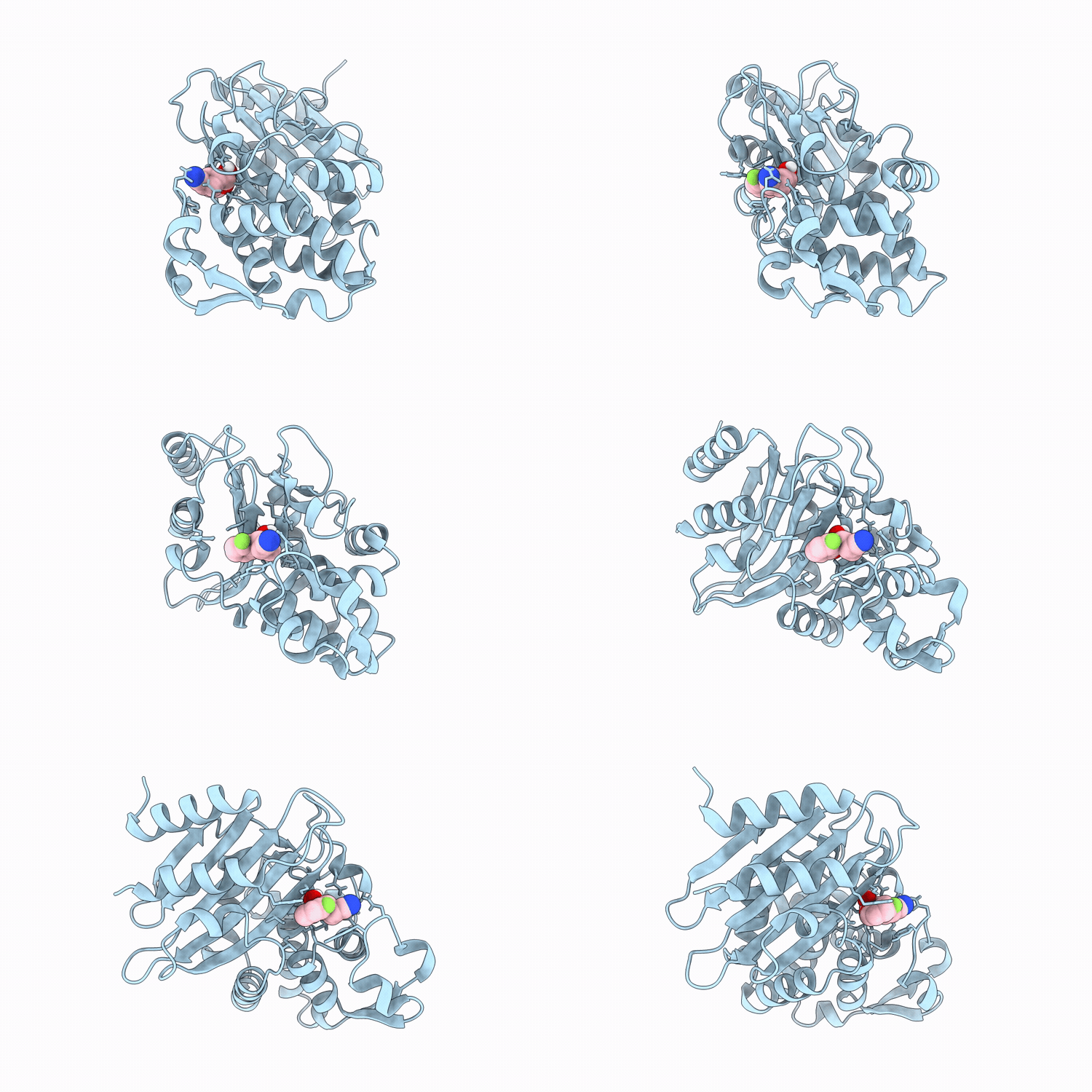
9R8F image
Deposition Date 2025-05-16
Release Date 2026-03-25
Last Version Date 2026-03-25
Entry Detail
PDB ID:
9R8F
Keywords:
Title:
CTX-M-14 complexes with 3D Boron Heterocycles synthetized via EnT Catalysis
Biological Source:
Source Organism(s):
Expression System(s):
Method Details:
Experimental Method:
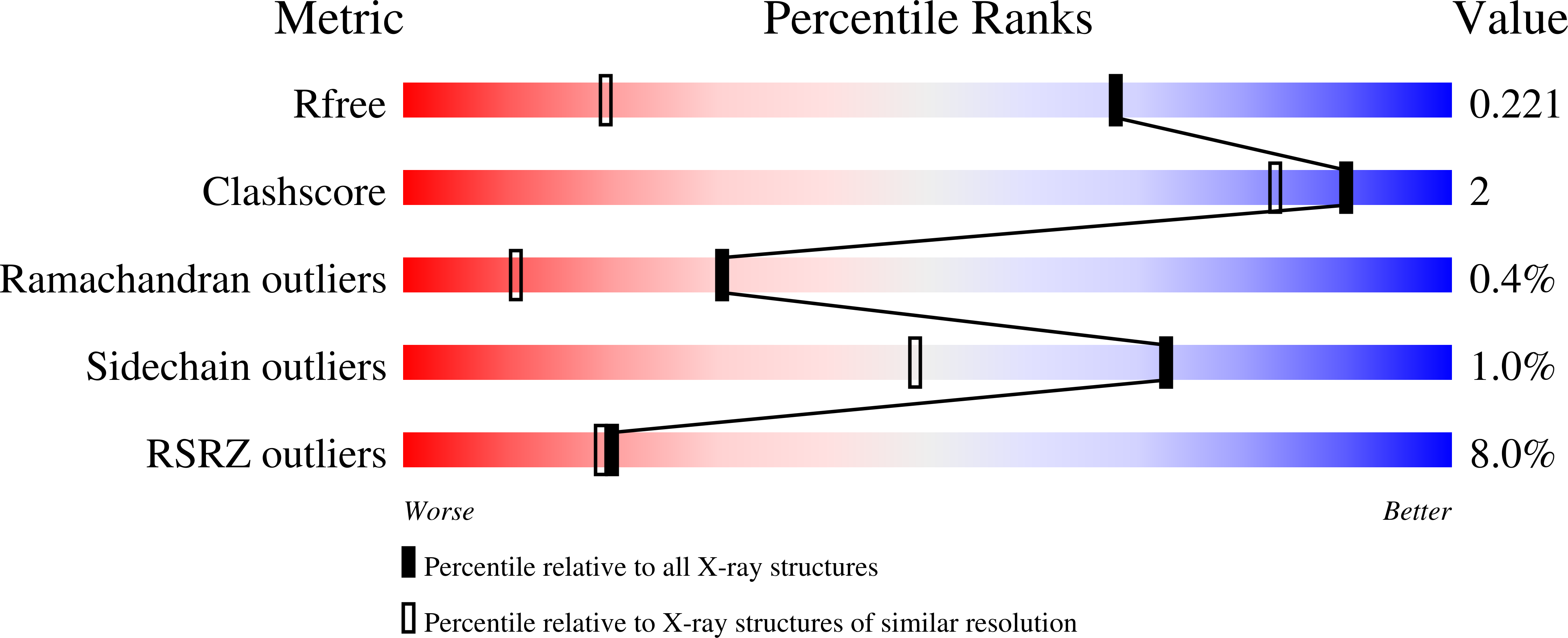
Resolution:
1.40 Å
R-Value Free:
0.21
R-Value Work:
0.19
R-Value Observed:
0.19
Space Group:
P 32 2 1
Macromolecular Entities
Structures with similar UniProt ID
Protein Blast
Polymer Type:polypeptide(L)
Molecule:Beta-lactamase
Gene (Uniprot):ctx-m-14
Chain IDs:A
Chain Length:262
Number of Molecules:1
Biological Source:Klebsiella pneumoniae
Ligand Molecules
Primary Citation
Fused 3D boron heterocycles via EnT catalysis: synthesis, modification and validation as beta-lactamase inhibitors.
Chem Sci 17 247 254 (2026)
PMID: 41221109 DOI: 10.1039/d5sc05518k

Abstact

The installation of a boron unit into bioactive scaffolds continues to unlock novel modes of molecular recognition in drug discovery. As such, de novo strategies to access 3D boron-containing frameworks, that modulate the intrinsic reactivity at boron, are being intensively pursued. Herein, we report a visible light-mediated energy transfer (EnT) catalysis strategy that enables the [2 + 2] cycloaddition of boron-containing heterocycles to construct 3D frameworks with high structural complexity. Leveraging both inter- and intramolecular cycloadditions, a suite of angularly fused boron heterocycles was accessed, offering enhanced steric shielding and modular handles for additional interactions. A boron deletion strategy permits the synthesis of benzofuran scaffolds, otherwise inaccessible via direct EnT. Crucially, the resulting 3D architectures mimic structural motifs found in the potent beta-lactamase inhibitor Xeruborbactam. The biological relevance of these frameworks was validated by NMR titration, pK (a) analysis, and co-crystallisation with serine beta-lactamase CTX-M-14, revealing enantiospecific binding and a well-defined hydrogen bonding network. These results establish a versatile platform for the synthesis of functionalised boron heterocycles with direct translational potential in medicinal chemistry.

Legend

Protein

Chemical

Disease

Primary Citation of related structures
Feedback Form
Name
Email
Institute
Feedback