

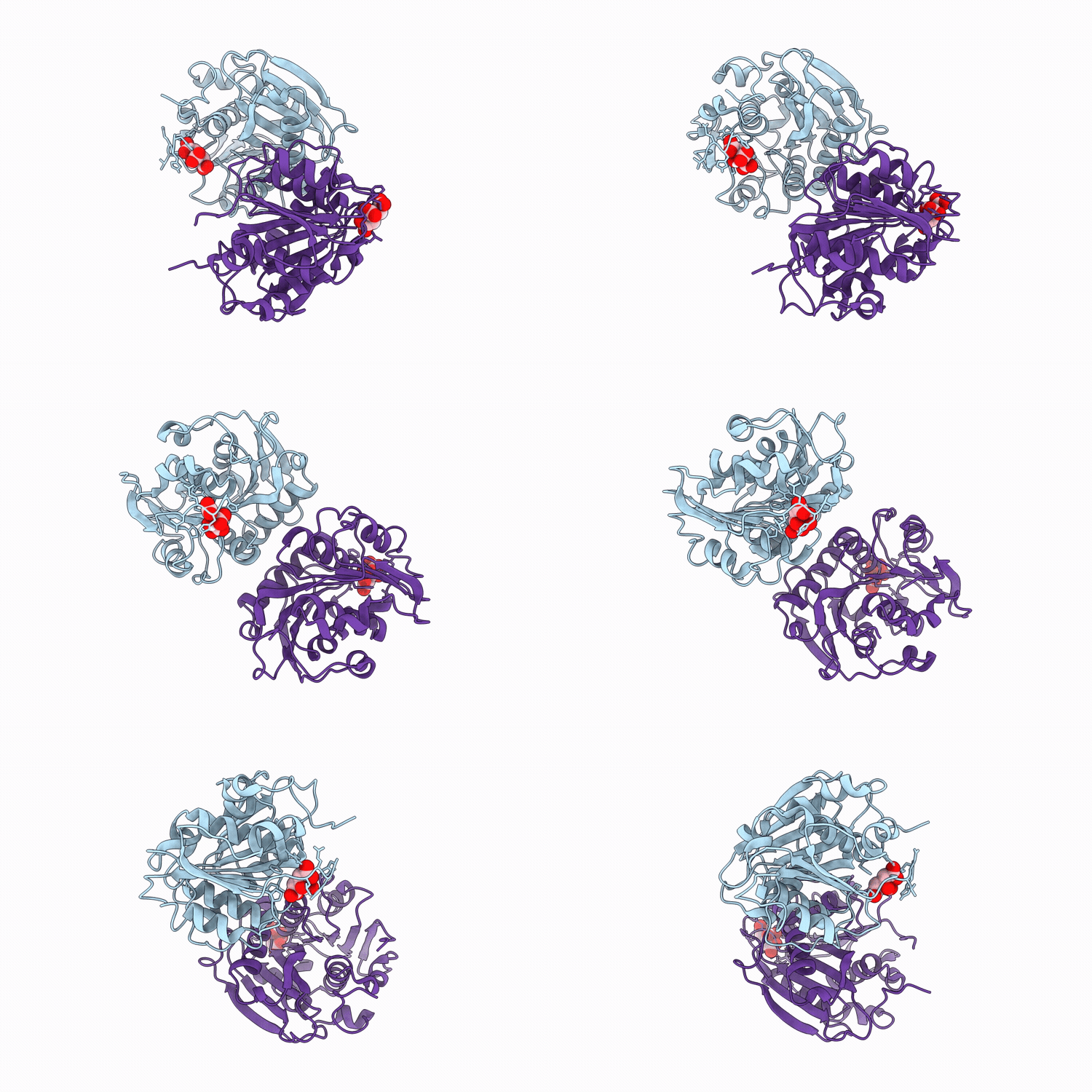
9QVA image
Deposition Date 2025-04-11
Release Date 2026-05-27
Last Version Date 2026-05-27
Entry Detail
PDB ID:
9QVA
Keywords:
Title:
Polyester Hydrolase Leipzig 7 (PHL7) variant R2M2-P155G-A186S
Biological Source:
Source Organism(s):
Expression System(s):
Method Details:
Experimental Method:
Resolution:
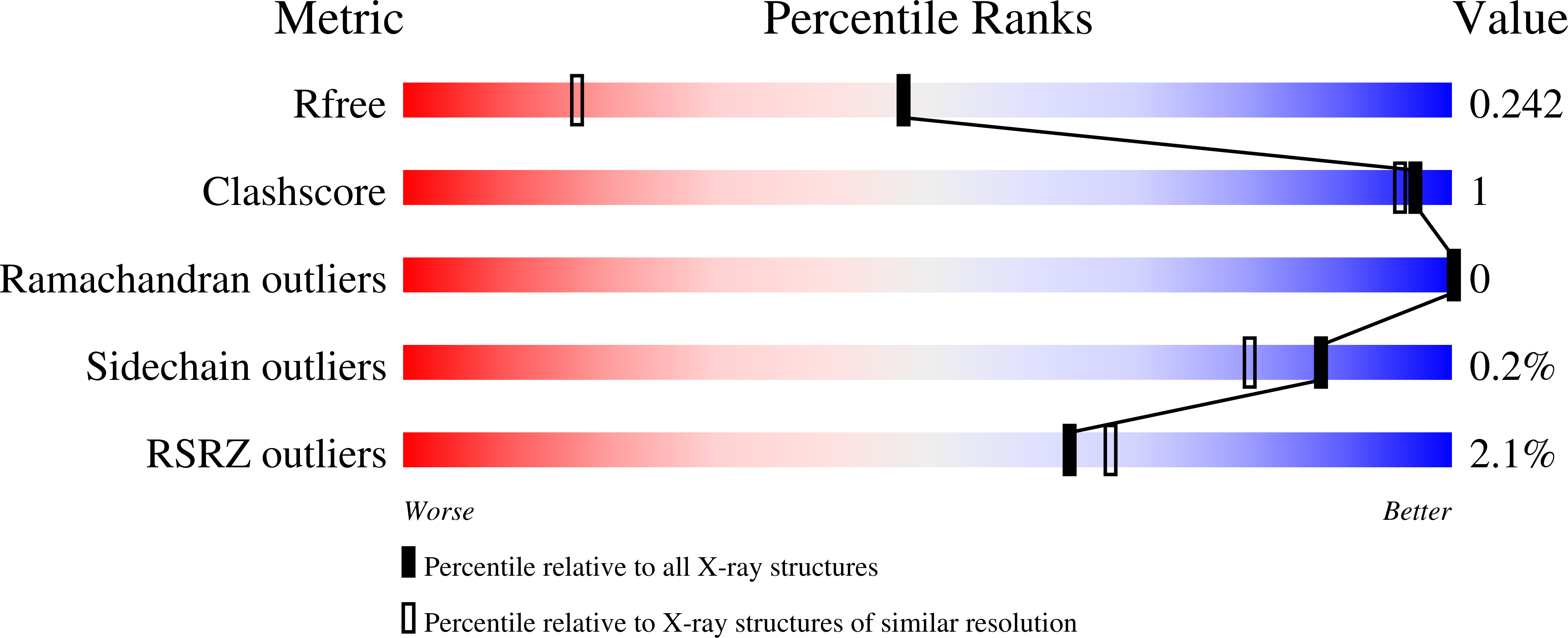
1.59 Å
R-Value Free:
0.24
R-Value Work:
0.20
R-Value Observed:
0.20
Space Group:
P 1 21 1
Macromolecular Entities
Structures with similar UniProt ID
Protein Blast
Polymer Type:polypeptide(L)
Molecule:Polyester Hydrolase Leipzig 7
Mutagens:E6Q, Q34D, D36S, E68S, T91S, Q104L, H109Y, R111T, N113D, V115T, N118D, A131S, T145P, E148K, P155G, N161D, T167V, V171I, A186S, D196S, D198P, S208D, D216N, L235T, F248P
Chain IDs:A, B
Chain Length:267
Number of Molecules:2
Biological Source:compost metagenome
Ligand Molecules
Primary Citation
Computational engineering of the polyester hydrolase PHL7 for efficient poly(ethylene terephthalate) degradation in biocatalytic recycling processes.
Nat Commun 17 ? ? (2026)
PMID: 42140896 DOI: 10.1038/s41467-026-70868-4

Abstact

Polyethylene terephthalate (PET) plastic waste causes serious environmental pollution due to insufficient recycling rates. Enzymatic PET depolymerization offers a sustainable recycling strategy, but limited stability and activity of current PET-degrading enzymes restrict practical implementation. Here, we engineer Polyester Hydrolase Leipzig 7 (PHL7), a PET hydrolase from a compost metagenome, to enhance its stability and catalytic performance under recycling-relevant conditions. Using Rosetta PROSS-based computational design combined with rational mutagenesis, we introduce up to 24 mutations, generating variants with melting temperatures of 88-95 degrees C and over 110-fold higher activity in 0.1 M phosphate buffer compared to the parent enzyme. Benchmarking shows that the best variants (R4M6, R4M9, and R4M10) match or exceed the performance of established engineered PET hydrolases, including ICCG and LCC-A2, and approach that of TurboPETase across multiple conditions. Under high substrate loadings, the PHL7-R4 variants degrade 75-78% of 10% (w/w) PET within 24 h at 65 degrees C, outperforming ICCG, while an optimized variant R4M10-H185Y achieves up to 84% degradation of 20% (w/w) PET. X-ray structure determination and molecular dynamics simulations reveal key stabilizing and activity enhancing mechanisms. These engineered PHL7 variants represent robust biocatalysts for scalable enzymatic PET recycling.

Legend

Protein

Chemical

Disease

Primary Citation of related structures
Feedback Form
Name
Email
Institute
Feedback