

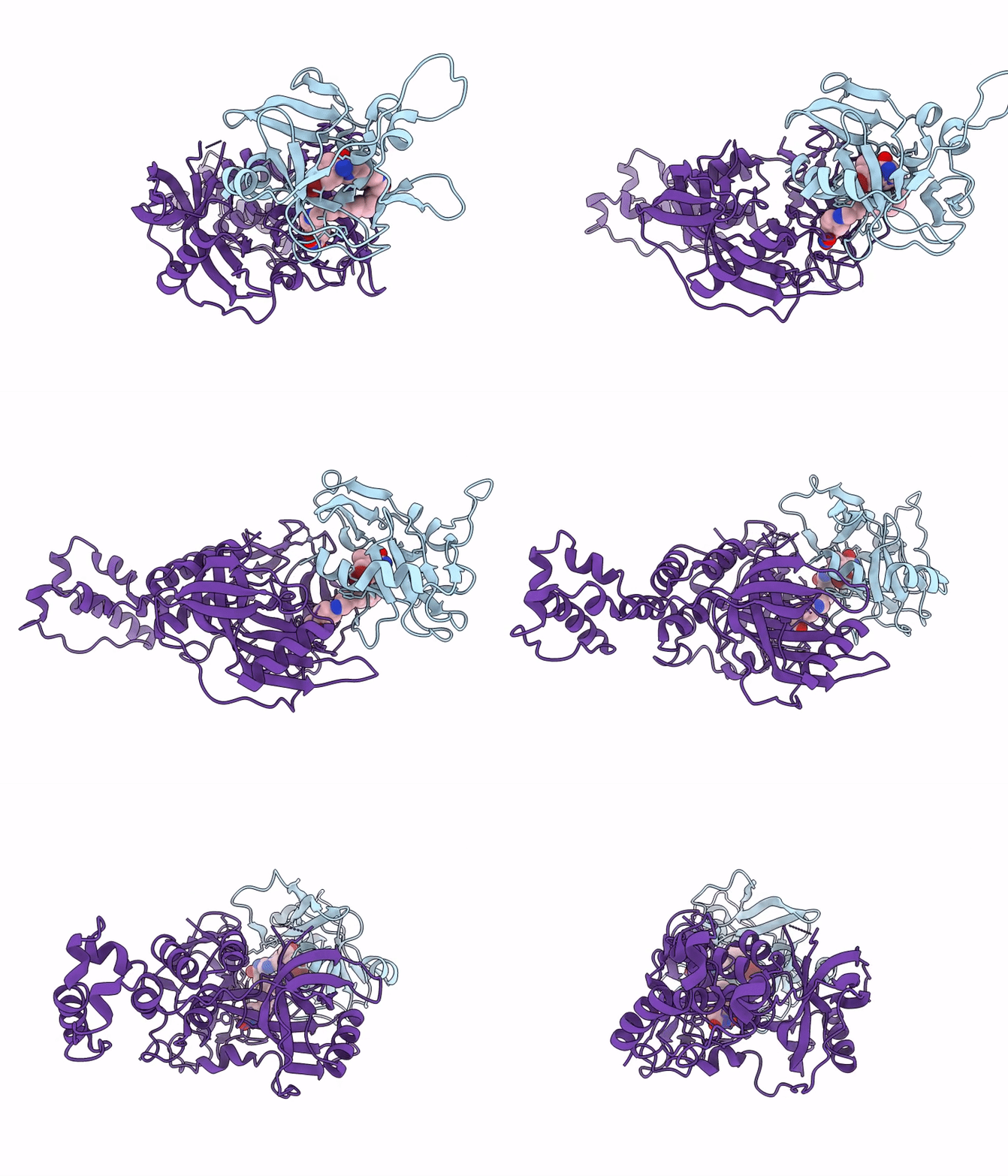
9Q33 image
Deposition Date 2025-08-15
Release Date 2026-01-14
Last Version Date 2026-01-14
Entry Detail
PDB ID:
9Q33
Keywords:
Title:
Cereblon Ternary Complex with Blimp1 and compound 5
Biological Source:
Source Organism(s):
Homo sapiens (Taxon ID: 9606)
Method Details:
Experimental Method:
Resolution:
3.20 Å
Aggregation State:
PARTICLE
Reconstruction Method:
SINGLE PARTICLE
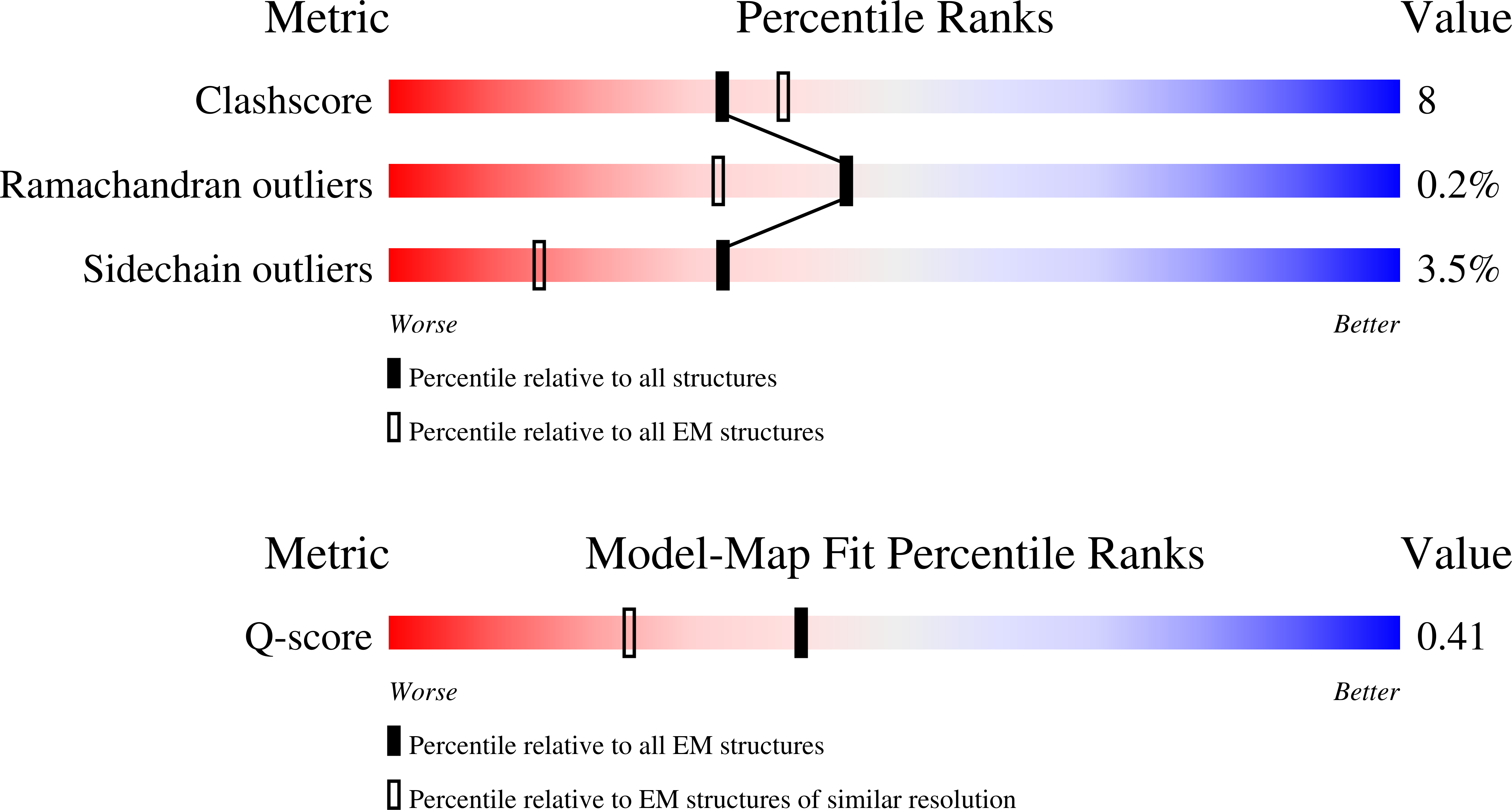
Macromolecular Entities
Structures with similar UniProt ID
Protein Blast
Polymer Type:polypeptide(L)
Molecule:PR domain zinc finger protein
Gene (Uniprot):PRDM1
Chain IDs:A
Chain Length:188
Number of Molecules:1
Biological Source:Homo sapiens
Structures with similar UniProt ID
Protein Blast
Polymer Type:polypeptide(L)
Molecule:Protein cereblon
Gene (Uniprot):CRBN
Chain IDs:B
Chain Length:442
Number of Molecules:1
Biological Source:Homo sapiens
Primary Citation

Abstact

B-lymphocyte-induced maturation protein 1 (BLIMP-1/PRDM1) is a master transcriptional repressor essential for terminal differentiation of activated B-cells into bone-marrow resident plasma cells. Multiple myeloma (MM) is a plasma cell malignancy wherein the BLIMP-1 regulon remains critical to support basal cell functions, such as an elevated metabolic state and immunoglobulin production that underlie disease manifestation and tumor cell proliferation. It is predicted that perturbation of BLIMP-1 will significantly impact tumor cell homeostasis and ultimately reduce MM cell survival. Herein, we describe the discovery and optimization of the first orally bioavailable BLIMP-1 heterobifunctional ligand-directed degrader (LDD) and demonstration of the expected antitumor response and immunomodulatory biology following BLIMP-1 degradation using preclinical in vivo MM models.

Legend

Protein

Chemical

Disease

Primary Citation of related structures
Feedback Form
Name
Email
Institute
Feedback